

Did you know a single insider security incident can cost your company over $7 million? According to the Ponemon Institute, the average financial impact reaches $7.12 million. Containing such an event takes 77 grueling days.
This risk originates from within your own walls. An insider threat is a person with authorized access—an employee, contractor, or partner—who misuses their privileges. They possess intimate knowledge of your business processes and system vulnerabilities.
Traditional perimeter security tools often fail here. They can’t distinguish between normal activity and malicious actions taken by a legitimate user. Your most sensitive data is exposed.
Every organization faces this danger. This guide provides actionable strategies to identify and mitigate these risks. You will learn to leverage advanced analytics for monitoring user behavior and securing your infrastructure.
Understanding the Nature of Insider Threats
The definition of an insider extends far beyond your current payroll. According to CISA, an insider is any person trusted with sensitive information or system access. This includes contractors, vendors, and even former personnel.
Your greatest vulnerability stems from this position of trust. These individuals can bypass perimeter security controls designed for external threats. Recognizing this broad scope is your first step.
Defining Who Qualifies as an Insider
An insider is defined by authorized access and knowledge, not just employment status. This person has legitimate credentials to your network, applications, or databases.
They understand your business processes and potential weak points. This group encompasses full-time staff, third-party partners, and departed workers who retain access.
Distinguishing Between Malicious and Negligent Behaviors
Not all insider threats are created equal. You face two primary categories: malicious intent and negligent action. Understanding this split is critical.
Shockingly, about 55% of incidents stem from employee carelessness, not planned attacks. Your defense strategy must address both behaviors.
| Attribute | Malicious Insider Threat | Negligent Insider Threat |
|---|---|---|
| Primary Driver | Intentional harm for financial gain or vengeance | Human error, carelessness, or lack of awareness |
| Common Actions | Data theft, sabotage, selling confidential information | Using weak passwords, misconfiguring settings, falling for phishing |
| Typical Profile | Often a disgruntled employee or contractor | Any well-meaning but untrained staff member |
| Primary Risk to Company | Catastrophic data loss, reputational damage, direct financial theft | Inadvertent data exposure, compliance violations, creating system vulnerabilities |
This comparison highlights why a one-size-fits-all security approach fails. Your monitoring and response plans must adapt to these distinct insider threat profiles.
Recognizing Behavioral Red Flags in Database Environments
Your most significant security alerts may not come from an intrusion detection system, but from an employee’s shifting daily routines. A staggering 83% of organizations faced an internal breach last year—this reality demands constant vigilance.
Effective defense requires a two-pronged view. You must watch both human behavior and technical activity. Sudden changes in work habits, attitude, or performance are classic warning signs.
Indicators of Unusual User Activity
On the technical side, monitoring tools can flag actions that deviate from normal patterns. A primary red flag is accessing sensitive data outside regular business hours.
- An employee with sudden, repeated conflicts with management.
- A team member showing a marked decline in performance reviews.
- Unexplained downloads of large volumes of information.
- Access attempts to data unrelated to an individual’s job role.
To spot these anomalies, your company must first establish a baseline of normal network activity. This allows you to identify when a user‘s actions spike by 200% or more, signaling potential data exfiltration.
Leveraging Advanced Security Tools for Insider Threat Detection
The Tesla data breach of 2023 exposed a critical flaw in relying solely on traditional perimeter defenses. Two former employees leaked sensitive information of over 75,000 workers. This incident underscores why modern security tools are essential for effective insider threat detection.
Conventional applications often fail to spot malicious activity from trusted personnel. You need systems that understand normal behavior and can flag deviations instantly.
Using AI and Analytics to Establish Baselines
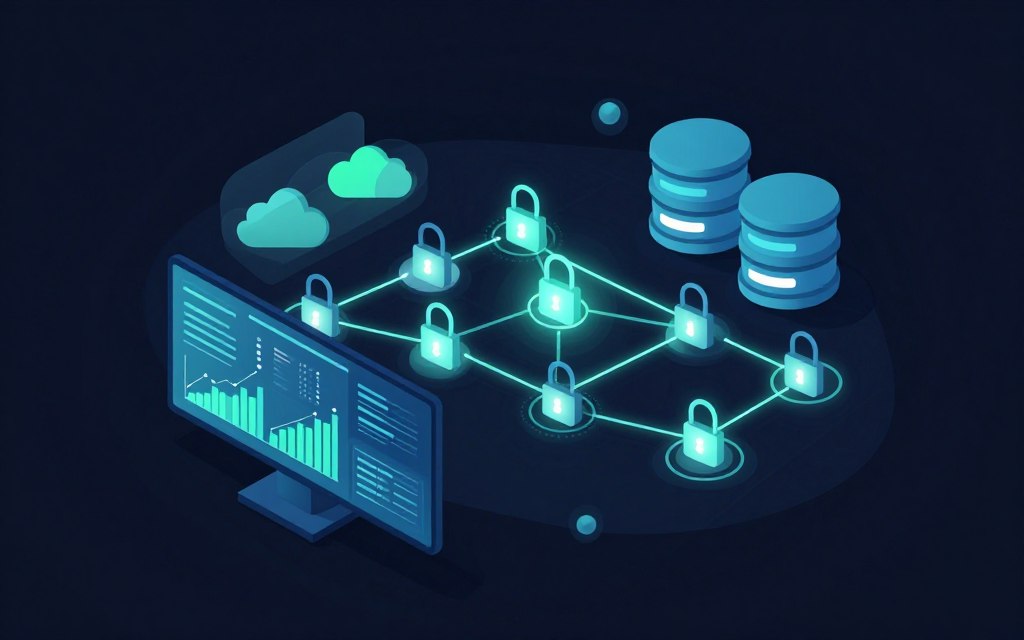
Modern insider threat systems use artificial intelligence to learn. They create a baseline of normal activity for every user and device across your network.
This AI-driven approach identifies standard patterns of work. It learns when and how your team typically accesses data. Any significant deviation from this established norm triggers an investigation.
Monitoring Technical Anomalies in Real Time
Real-time monitoring allows your team to detect spikes in data downloads immediately. These technical anomalies could indicate a potential threat.
Advanced analytics cross-reference alertswith risk scores. This provides crucial context for your cybersecurity team. You can identify unusual database access or new email rule creation.
Spotting these subtle signs early lets your organization contain emerging attacks. The goal is to stop data exfiltration before it happens. These security tools transform your company from reactive to proactively secure.
how to detect insider threats in databases
Timely identification of internal risks requires your security team to monitor a specific set of indicators. Leading organizations typically track between 15 and 25 technical signals to spot potential issues.
This systematic approach moves beyond isolated events. It focuses on correlating patterns across both human behavior and system access.
Best Practices for Timely Threat Identification
Your most effective detection strategy connects behavioral red flags with technical data. A key best practice is to investigate when three or more behavioral indicators occur together.
Simultaneously, watch for excessive spikes in database downloads or unusual query patterns. Set automated alerts to trigger when 2-3 technical anomalies happen at once. This ensures a rapid response.
Monitor for subtle signs like renamed files with mismatched extensions. Also, track unusual logon activity from a single user.
Integrating threat intelligence into your security operations provides crucial context. It helps your team detect an attack quickly and understand the best course of action.
Evaluating Database Access and User Privileges
The 2019 Desjardins breach, where an employee copied data for two years, exposes a fundamental weakness in access governance. This incident impacted 9.7 million customer records because a single insider had excessive, unchallenged access.
Your strongest defense is a rigorous evaluation of who can see what. You must move beyond simple permission lists.
Implementing Risk-Based Access Controls
You must implement risk-based access controls. The core principle is least privilege—every user gets only the minimum permissions required for their specific role.
This approach automatically blocks or audits suspicious authentication requests. It transforms your security from a static checklist into a dynamic, intelligent shield.
Establishing Comprehensive Governance Policies
Establishing comprehensive governance policies is non-negotiable. These policies manage user access and prevent unauthorized extraction of sensitive information.
You should regularly audit access logs. This identifies stale accounts or shadow administrators that could be exploited.
Proper access management limits the potential damage an insider threat can cause. Enforce consistent, risk-based policies across your entire organization.
Mitigating Risks Posed by Negligent and Malicious Insiders
Financial losses from internal negligence now rival those from malicious external attacks, reshaping defense priorities. Negligent employees drive 55% of all security incidents, costing organizations an average of $8.8 million annually. Your mitigation strategy must address both careless mistakes and intentional harm.
Enhancing Employee Training and Awareness
You must provide comprehensive, regular security awareness training. This ensures every employee understands how to identify and report potential threats. Focus on good hygiene practices like strong password protection and vigilance against phishing.
Fostering a culture steeped in security awareness significantly reduces the risk of accidental data exposure. Teach your staff to recognize social engineering signs. This tactic is often used to compromise trusted users.
Empowering your employees transforms them into a formidable first line of defense. This is a critical component of your overall insider threat mitigation. Effective training supports your technical detection systems and streamlines response.
Integrate these human-centric strategies with the fundamentals of database security for a layered defense. Regular drills and updated alerts keep your team prepared. This proactive approach limits unnecessary access and protects sensitive information.
Integrating Robust Identity and Access Management Measures
A staggering 80% of all breaches start with a compromised identity, turning your login screen into a primary battleground. This statistic makes identity security the non-negotiable foundation of your defense.
Robust identity and access management (IAM) is your strategic shield. It prevents a wide range of digital attacks, including ransomware.
Strengthening Active Directory Security
You must strengthen your Active Directory security immediately. This involves identifying shadow administrators and stale accounts.
Eliminate shared credentials that create dangerous attack paths. Enable real-time visibility to proactively detect anomalies in authentication traffic.
Extending Multifactor Authentication Across Systems
Extend multifactor authentication across all your systems. This ensures every access request is properly authorized.
It adds a critical layer even if an adversary bypasses endpoint security. Continuous monitoring for credential weakness provides your team with the context needed to stop an insider threat.
This proactive management of user access significantly reduces your overall risk and protects sensitive data.
Actionable Strategies for Effective Insider Threat Response
Your incident response plan is no longer a theoretical document—it’s a financial imperative backed by staggering new data.
The 2025 Ponemon Cost of Insider Risks Global Report reveals these internal threats now cost organizations an average of $17.4 million annually. Consequently, budgets for dedicated risk management programs are rising sharply, reaching 16.5% of total IT security spend.
You must develop a formal plan outlining specific steps for investigating and containing a suspected insider threat. A core tactic is to cross-reference automated alerts with user risk scores.
This prioritization ensures your team focuses on the most credible attacks first, minimizing potential damage.
Maintain a detailed report of all security incidents. This historical data is invaluable. It improves your future detection capabilities and helps refine internal policies.
Effective response requires a holistic approach. Combine your technical controls with clear communication protocols for the entire security team. This strategy turns isolated incidents into lessons that strengthen your overall defense.
Securing Your Database Infrastructure for a Resilient Future
Building a resilient database infrastructure demands more than just technology—it requires a cultural shift towards continuous vigilance. You must monitor both cloud and on-premises network activities in real time. This ensures your systems can adapt to evolving threats.
Commit to ongoing training for all employees. Empower your team with advanced behavior monitoring tools. These security measures transform your staff into a proactive defense layer.
Analyze historical patterns of user actions to identify risks early. Regularly update your security report with the latest threat intelligence. This practice prepares your organization for new challenges.
Foster a culture where every employee understands their role in protecting sensitive company information. Your dedication to these practices safeguards against both malicious and negligent insider threats. This builds a resilient future for your data.