

Remember 2005? Back then, developers had only 105 open APIs to work with globally. Fast forward to this year, and the landscape is unrecognizable.
Today, the industry manages over 15,000 APIs—with about 40 new ones appearing every single week. That’s a tidal wave of connectivity. If your internal systems can’t talk to these modern services, you’re falling behind.
Your information is a primary asset. Exposing it securely through a REST API is no longer optional; it’s critical for survival. You need a strategy that turns your database into a dynamic participant in this ecosystem. Exploring top database APIs for developers is a solid first step.
Key Takeaways
- The number of available APIs has exploded since 2005.
- New APIs launch weekly, creating constant pressure to connect.
- Isolated data silos put your organization at a competitive disadvantage.
- Treating your data as a core asset is essential for modern infrastructure.
- Secure, standardized access via REST principles is a business imperative.
- Proactive integration planning prevents you from being left behind.
- The right tools and APIs can transform your data into a strategic advantage.
Building a Solid Foundation for Secure Data Access
A clean separation between your data and how it’s served isn’t an academic ideal; it’s a practical shield against constant, breaking changes. You need a robust interface that protects your core assets.
Understanding REST Principles and Their Business Impact
REST isn’t just a technical spec. It’s a philosophy for building resilient connections. When you apply its principles, you create a clean interface that decouples your database from the consuming applications. This means you can upgrade or even replace the underlying storage system without breaking every connected service.
Evaluating Database Structures Beyond Replication
Mirroring your internal storage layout directly into your public layer is a critical mistake. It creates a fragile, one-to-one dependency. Instead, design for the specific tasks your business needs to perform.
- Stop replicating table structures. Focus on the query tasks your application actually requires.
- Build an abstracted layer. This decouples your logic from specific databases, future-proofing your architecture.
- Adopt a configuration-driven model. Manage diverse data sources without writing manual backend code for every change.
This approach avoids the technical debt that crippled teams in the past year. As Simone Scarduzio demonstrated, moving from legacy code to a modern, clean architecture allowed a full rewrite in six months—resulting in a 10x performance boost. It starts with solid database best practices for beginners.
REST API integration with databases: Practical Techniques and Strategies
How do you translate a business need into a secure, functional endpoint without exposing your core systems? The answer lies in adopting proven standards and rigorous design patterns.
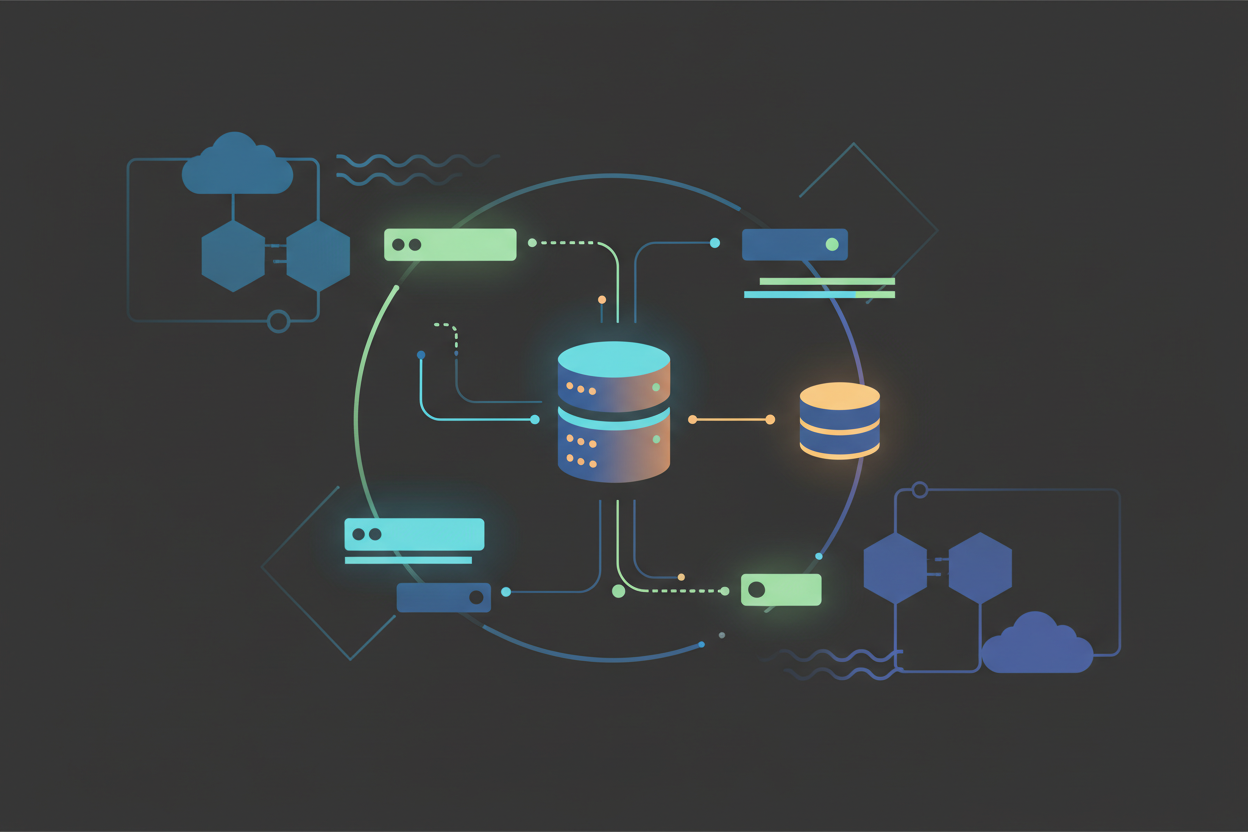
Mapping Business Tasks to API Endpoints
Start by adopting the OData standard. This OASIS protocol simplifies how you define headers and status codes. It turns complex business tasks into clean, consumable services.
Platforms like Tableau and Salesforce already use OData to streamline their workflows. You should model your endpoints on these real-world examples.
Utilizing JSON Data Packages for Flexibility
JSON data packages offer crucial flexibility. Your application can handle missing fields gracefully during updates. This makes your entire system less fragile.
This approach future-proofs your connections. It’s a core reason why exploring top database APIs for developers is so valuable.
Implementing Secure Authentication Methods
Always use secure HTTPS connections. Raw database protocols are far too vulnerable for the modern web.
When you define your service layer, enforce proper authentication tags. Never expose primary keys in query strings. Use GUIDs instead to block serial breach attempts on your sensitive source.
Navigating Auto-Generated Tools and Industry Standards
What if you could expose your core information assets without writing a single line of backend logic? The shift to automated, standards-based platforms makes this possible. It turns weeks of manual work into a configuration task.
Leveraging OData and Swagger for Streamlined Integration
Adopt the OData standard to define your service layer consistently. It provides a clean interface for your data.
Pair it with Swagger, now called OpenAPI. These files auto-generate client-side code. This keeps your application perfectly in sync with your backend this year.
Comparing Tools for SQL and NoSQL Environments
Your source systems are likely mixed. Some tools uniquely handle both SQL and NoSQL database types.
DreamFactory auto-generates a secure REST API for over 20 different systems. CData API Server unifies over 100 diverse sources. They eliminate the manual query grind.
| Feature | DreamFactory | CData API Server |
|---|---|---|
| Supported Sources | 20+ Databases | 100+ SQL, NoSQL, SaaS |
| Code Generation | Zero-code REST endpoints | Unified data service layer |
| Standards | OpenAPI, OData | OData, Swagger |
| Primary Use Case | Rapid API creation for specific databases | Connecting complex, hybrid data environments |
Always verify your chosen platform supports the specific HTTP methods you need. These tools use metadata tags to auto-document everything. Exploring top database APIs for developers helps you make the right choice.
Wrapping It All Up: Secure, Scalable, and Future-Ready Integration
You stand at a crossroads: continue with fragile connections or embrace a secure, scalable architecture for growth. Integrating your database with a modern REST API is your essential shield in a digital-first world.
Move beyond manual coding. Embrace standardized protocols like OData and OpenAPI. This ensures your data remains accessible and secure for years.
Choosing the right tools allows scaling without constant maintenance cycles. A well-designed API acts as a protective gateway. It shields internal systems from direct exposure.
You are now ready. Implement these strategies to build a future-ready foundation. It supports long-term growth and turns your information into a lasting strategic asset.