Designing Databases for High Availability
designing databases for high availability

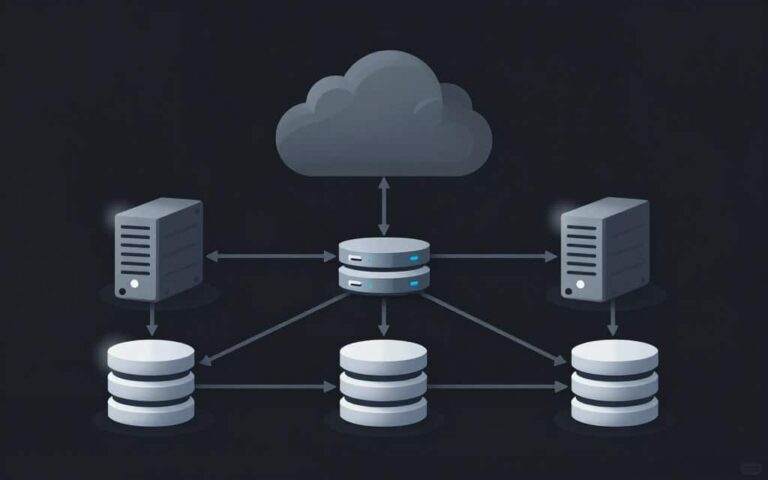
Every minute your database goes dark costs real money—$474,000 per hour on average, according to a ManageForce study. That staggering number isn’t just a statistic; it’s the immediate threat facing your business when availability slips away. With data volumes exploding toward 180 zeta-bytes by 2025, your database has become the central nervous system of your … Read more
Polyglot Persistence Database Design

polyglot persistence database design

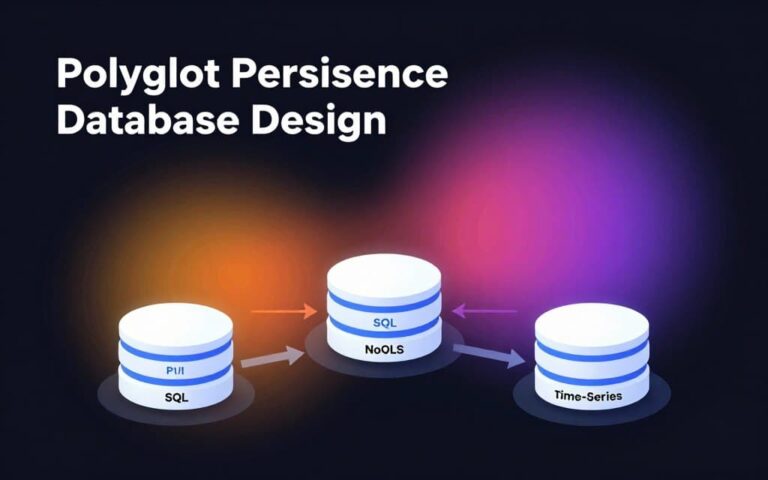
Your relational database is struggling to keep up, isn’t it? You’re trying to force every piece of data into a single model, and it’s creating bottlenecks that slow your entire system down. This is where the concept of polyglot persistence changes the game. As Martin Fowler pointed out, you shouldn’t assume a relational approach is … Read more

Primary Key vs Surrogate Key Differences

primary key vs surrogate key differences

Have you ever wondered which identifier will save you time, avoid refactors, and keep your systems fast? This short guide helps you see why a key is the unique identifier that ties each row to the database and supports data integrity and query performance. You’ll learn when a surrogate key—a system-generated id like a GUID—beats … Read more

Database Normalization vs Denormalization Explained

database normalization vs denormalization

Which approach will make your data faster and more reliable — and why does it matter to you right now? You need a clear, plain-English guide that cuts through theory. This intro shows the basic trade-offs so you can decide quickly. Normalization organizes data into related tables to cut duplicates and protect data integrity. That … Read more

Schema vs Subschema: Key Differences

key differences between schema and subschema

Have you ever wondered which design choice makes your database faster, safer, or easier to manage? At its core, a schema is the blueprint that defines the tables, columns, relationships, and integrity rules that shape a database. It provides the high-level structure and a clear description of how data fits together and how systems must … Read more

Hierarchical Database Model Examples and Uses

hierarchical database model examples

Can a simple tree shape help your business tame messy data and speed up decisions? This introduction gives you a plain-English tour of a classic model that links records with clear parent-child paths. You’ll see how a root-based structure makes navigation predictable and governance easier across your organization. We’ll highlight real applications—from file catalogs and … Read more

Types of Data in Databases: A Step-by-Step Tutorial

types of data in databases

Ever struggled with a slow app or messy records? The culprit might be data types in your database. Just like labeling jars in a pantry, SQL uses categories like integers, text, and dates to keep information organized. Choosing the right format—like VARCHAR for names or INT for numbers—boosts performance and avoids errors. This guide breaks … Read more

Database Best Practices for Beginners

database best practices

Welcome to your guide on database best practices! If you’re new to database management or want to improve your skills, this is for you. Learning these basics is key. They help make your workflow smoother, keep your data safe, and boost your database’s performance. Learning these best practices will make you better at organizing and … Read more

Introduction to Databases Explained

introduction to databases

In today’s world, databases are key for managing data well. They are found in many parts of our lives, like social media and banking systems. Knowing the database fundamentals helps us see how data is organized and accessed. If you run a small business, are into tech, or just want to know how data systems … Read more