

Your entire application hinges on its data, but what happens when you need to upgrade the underlying storage hardware? This is the core challenge of database independence—making fundamental changes without causing system-wide chaos.
Think of it as a protective shield for your applications. It allows you to modify the system’s lower levels while the upper layers remain completely unaffected.
We’ll explore two distinct layers of this protection. One guards your applications from changes in how data is physically stored. The other shields them from alterations to the data models and overall structure.
Understanding this separation isn’t just theory—it’s the key to scalable, flexible systems. It directly impacts your maintenance costs and your ability to adapt to new business requirements quickly and confidently.
Grasping Data Independence in Modern Database Systems
Modern systems thrive on their ability to adapt—what keeps your applications running smoothly during backend changes? Data independence acts as that crucial buffer. It lets you modify one layer of your system without forcing changes elsewhere.
Think about upgrading your smartphone. You get new hardware, but all your apps and information remain intact. That’s exactly how data independence works in a DBMS. The architecture separates concerns into distinct layers.
These layers include physical storage, logical structure, and user-facing views. Each operates independently. This separation delivers real business value.
Consider a retail company upgrading its inventory system. Sales applications continue functioning perfectly while backend storage changes occur. No downtime. No expensive rewrites.
Without this protection, every hardware upgrade or schema modification would cascade through your entire stack. You’d face costly application changes and extended system outages.
Data independence isn’t just technical elegance—it’s fundamental for maintaining flexibility while controlling costs. It enables true agility in today’s fast-moving business environment.
Understanding Physical Data Independence
Ever swapped out a hard drive without reinstalling your operating system? That’s the power of this concept at work. It shields your applications from changes made to the underlying storage components.
This layer of protection gives you the freedom to alter how information is physically housed. Your database’s structure and the applications using it remain completely untouched.
Real-World Storage Upgrades
Think about migrating from traditional hard drives to faster SSDs. You get a significant performance boost without any application downtime.
Other common examples include changing compression techniques to save space or moving files from one disk partition to another. These modifications happen transparently. Your users won’t notice a thing.
Modifying File Organization Techniques
You can go deeper than just hardware. This involves restructuring how the system organizes files internally.
Consider implementing new indexes to speed up query retrieval. Or, you might switch between different data structures for more efficient storage. These optimizations target the physical implementation directly.
The key advantages are clear:
- Painless hardware upgrades become routine for administrators.
- Performance tuning occurs at the storage layer, leaving application logic alone.
- Cost-saving measures like compression don’t force code rewrites.
Remember, this independence is specific to storage details. It doesn’t protect against changes to the data’s logical organization, which is a separate challenge.
Exploring Logical Data Independence
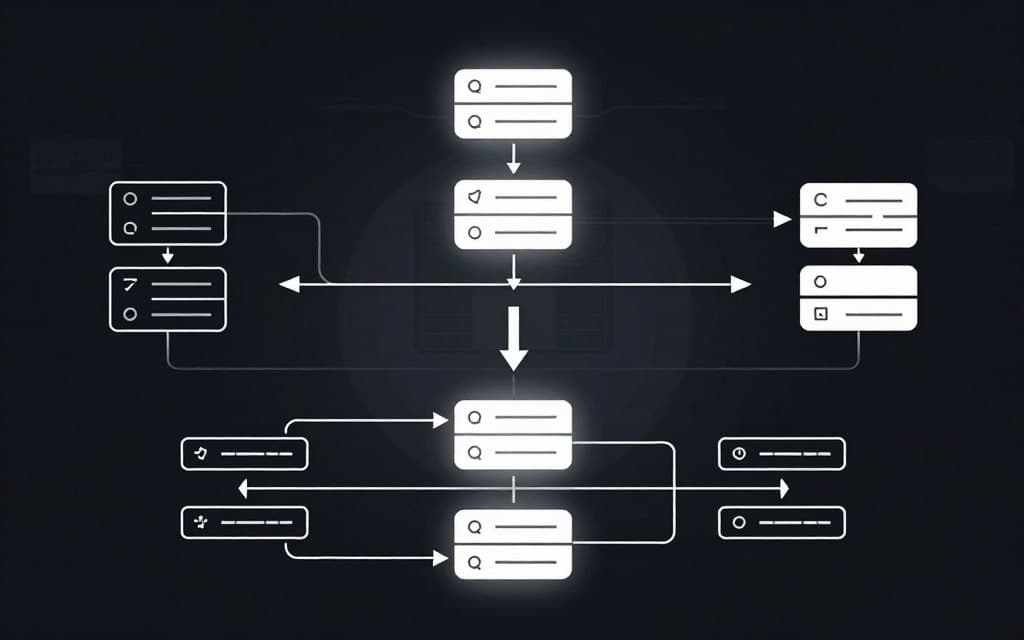
What if you need to add a new customer category to your system next quarter? Logical data independence empowers you to make those changes seamlessly. It lets you modify your conceptual data models without disrupting the applications that depend on them.
Evolving Schemas Without Disruption
You can add, modify, or delete attributes and relationships safely. Think of introducing a “loyalty tier” field for customers. Your sales applications continue running without any code changes.
You might even split a monolithic Employee table into Personal and Work details. The underlying structure gets cleaner, but user views remain consistent. This is a critical capability for growing businesses.
Flexibility in Business-Driven Data Changes
This approach provides tremendous agility. New product lines or reporting requirements become simple database updates, not costly application rewrites.
The advantages are significant. Your schema evolves alongside your business needs. Maintenance gets easier because structural changes don’t cascade upwards.
However, achieving this isn’t simple. Applications often rely heavily on the specific logical format of the data they access. Improper implementation can lead to complications, making these changes riskier than storage-level modifications.
Balancing Advantages and Pitfalls of Data Independence
You’ve seen the benefits, but what operational realities should you prepare for when implementing these concepts? Every approach carries both significant advantages and specific constraints that demand careful management.
Let’s examine the complete picture you’ll face when architecting your systems. This balanced view helps you make informed decisions about your technology stack.
Operational Advantages
These approaches deliver tangible business value through streamlined operations. You gain the ability to upgrade hardware without disrupting user experiences.
Performance improvements become straightforward at the storage level. Your applications continue running smoothly while backend optimizations occur.
Schema evolution keeps pace with changing business requirements. Structural modifications don’t force costly application rewrites.
The maintenance benefits are particularly compelling. Changes in one layer remain contained, preventing cascading effects throughout your entire technology stack.
Challenges and Constraints
Implementation requires sophisticated tools and specific system capabilities. Not every environment supports these approaches equally well.
Storage-level protection doesn’t address structural modifications your business might need. You’ll face different constraints depending on which layer you’re working with.
Schema modifications carry higher risk than storage changes. Applications often depend heavily on specific data formats, making structural changes particularly delicate.
Improper implementation can introduce subtle bugs in application logic. Achieving true separation demands upfront investment in proper architecture and planning.
| Factor | Advantages | Constraints |
|---|---|---|
| Implementation | Hardware upgrades without disruption | Requires specific tools and capabilities |
| Performance | Backend optimizations possible | Limited to specific layers |
| Maintenance | Changes remain contained | Higher risk with structural modifications |
| Business Flexibility | Schema evolution support | Application dependencies create complexity |
Understanding this balance helps you architect systems that deliver real value while managing implementation risks effectively.
physical vs logical database independence: Navigating the Nuances
Your ability to evolve systems efficiently depends entirely on distinguishing between modifications that affect storage versus those that impact data relationships. This distinction determines how smoothly you can implement changes without disrupting operations.
Storage-level protection operates at the hardware and file organization level. It deals with how information is physically stored on devices. This layer gives you freedom to upgrade hardware or optimize storage methods.
Structural-level protection focuses on your conceptual organization of information. It handles tables, attributes, and relationships that represent your business domain. Changes here affect how applications interact with your information.
The implementation complexity differs significantly between these approaches. Storage modifications are typically easier to implement. They remain transparent to both your structural organization and applications.
Structural changes prove more challenging because applications depend heavily on data organization. Business logic builds around specific table structures and relationships. This creates tighter coupling that’s harder to decouple.
| Aspect | Storage-Level Protection | Structural-Level Protection |
|---|---|---|
| Focus Area | Hardware, file organization, access methods | Tables, attributes, relationships, conceptual schema |
| Application Impact | No changes required | Often requires updates |
| Implementation Ease | Easier to achieve | More complex to implement |
| Business Value | Performance optimization, cost savings | Schema evolution, domain representation |
Storage modifications might improve performance through better hardware or compression. Structural changes become necessary when your business domain evolves. Your existing organization may no longer adequately represent requirements.
Understanding this separation helps you plan changes more effectively. You’ll know which modifications stay contained and which might ripple through your application stack.
Critical Considerations for Performance and Scalability
When your user base doubles overnight, will your storage infrastructure handle the increased load seamlessly? True data independence isn’t just about flexibility—it directly impacts how well your system performs under pressure.
This separation between storage mechanisms and application logic enables optimization strategies that would otherwise cause major disruptions. You gain the ability to fine-tune performance without risking your core operations.
Optimizing Data Retrieval
Storage retrieval optimization happens transparently at the physical layer. You can implement performance enhancements like adding indexes or changing to faster media without touching application code.
Techniques like partitioning strategies and filegroup organization boost data access speeds significantly. These modifications remain completely invisible to your applications while delivering measurable performance gains.
Experiment with different storage configurations to find optimal performance. The right database architecture lets you test various access methods safely.
Planning for Future Growth
As your business expands, you need infrastructure that scales alongside your data volumes. Proper independence architecture positions your system for both vertical and horizontal growth.
You can upgrade hardware and adopt new storage technologies without system-wide disruption. This flexibility ensures consistent data access even during major infrastructure changes.
Performance and scalability become fundamental advantages rather than afterthoughts. Your applications maintain stability while your storage evolves to meet growing business demands.
Demystifying DBMS Architecture and Data Storage Mechanisms
The secret to seamless database evolution lies in understanding the three-tier architecture that powers modern systems. This layered approach separates concerns into distinct levels, each with specific responsibilities.
You’ll find this structure in virtually every contemporary database management system. It’s the foundation that enables true flexibility when managing your information.
Layered Architecture Insights
At the lowest tier, the physical level defines how information gets stored on disk. This includes file organization, indexing methods, and compression techniques.
The middle conceptual level houses your data models and schema definitions. Here, you define tables, relationships, and business rules that structure your information.
The top view level determines how applications and users interact with the system. It presents a simplified interface while hiding underlying complexity.
Metadata stored in the system’s data dictionary bridges these layers. Schema mapping translates queries between levels, maintaining clean separation.
In PostgreSQL, administrators can optimize table partitions without affecting application logic. Oracle enables schema updates while preserving view stability for existing applications.
Consider a university system adding a Date of Birth column to its STUDENT table. The change occurs at the conceptual level while applications continue working uninterrupted.
This architectural separation isn’t theoretical—it’s how production systems achieve robust data management. Understanding these levels helps you plan changes more effectively.
Business Applications and Real-World Scenarios
How do real companies actually implement these architectural concepts when their revenue depends on uninterrupted operations? Theory becomes powerful when applied to actual business challenges.
Consider a retail chain during holiday shopping peaks. They upgrade to cloud storage for better scalability. Sales applications continue processing transactions without any modifications.
E-commerce platforms frequently add new features like discount structures. They modify their information models without rewriting entire application stacks. This keeps them competitive in fast-moving markets.
Employee information management provides another compelling example. A company might split a single Employee table into Personal and Work details. Properly defined views maintain the original structure that applications expect.
Users querying employee information won’t notice the underlying reorganization. This approach preserves critical business relationships during structural changes.
| Business Scenario | Implementation Approach | Business Benefit |
|---|---|---|
| Retail Inventory Upgrade | Storage-level modifications | Zero downtime during peak seasons |
| E-commerce Feature Addition | Model-level changes | Rapid response to market demands |
| Employee Data Reorganization | Structural optimization | Cleaner organization without disruption |
| Student Database Performance | Storage optimization | Faster queries with existing applications |
According to Harvard Business Review, poor data management impacts business performance significantly. Proper architectural decisions become business imperatives, not just technical preferences.
Your applications maintain stability while your underlying systems evolve. This approach directly impacts operational costs and competitive advantage in today’s market.
Parting Insights on Data Independence for a Future-Ready DBMS
Your system’s future adaptability rests on decisions you make about its core architecture today. Data independence isn’t optional anymore—it’s your foundation for competing where change is constant.
You’ve seen how the two types serve complementary purposes. One protects applications from storage changes while the other shields them from structural modifications.
Start with easier storage-level protection for immediate performance benefits. Then invest in structural-level flexibility as your business requirements stabilize.
The enabling technologies—data models, schemas, and metadata—create crucial abstraction layers. These tools deliver compounding advantages: easier maintenance, better scalability, and improved security.
Organizations that architect for independence innovate faster and respond to market shifts more quickly. They grow without being constrained by rigid structures.
True structural-level protection requires more planning but justifies the investment through long-term flexibility. Your systems will adapt rather than break when requirements evolve.
In our data-driven world, building on independence principles keeps your technology adaptable and valuable far longer than tightly-coupled alternatives.