Designing Databases for High Availability
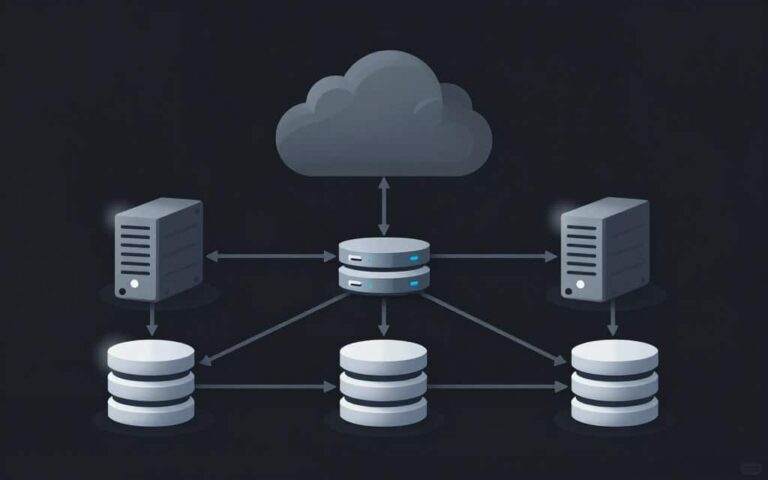
designing databases for high availability

Every minute your database goes dark costs real money—$474,000 per hour on average, according to a ManageForce study. That staggering number isn’t just a statistic; it’s the immediate threat facing your business when availability slips away. With data volumes exploding toward 180 zeta-bytes by 2025, your database has become the central nervous system of your … Read more
Schema Evolution in Production Databases

schema evolution in production databases

Think of your data’s blueprint as a living contract, not a static document. It’s constantly changing—new fields appear, old ones get retired, and data types shift without warning. This relentless evolution is the reality for any modern system handling real-time information. When that contract breaks in your live production environment, the consequences are immediate. Pipelines … Read more

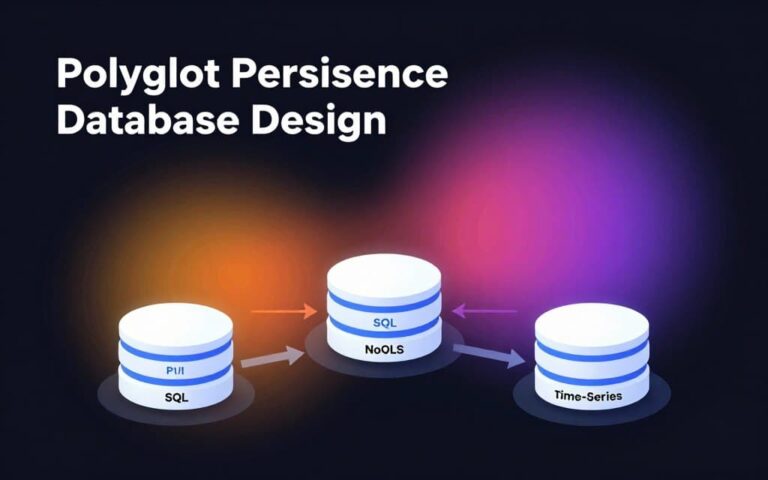
Polyglot Persistence Database Design

polyglot persistence database design

Your relational database is struggling to keep up, isn’t it? You’re trying to force every piece of data into a single model, and it’s creating bottlenecks that slow your entire system down. This is where the concept of polyglot persistence changes the game. As Martin Fowler pointed out, you shouldn’t assume a relational approach is … Read more

Event-Driven Database Schema Design

event-driven database schema design

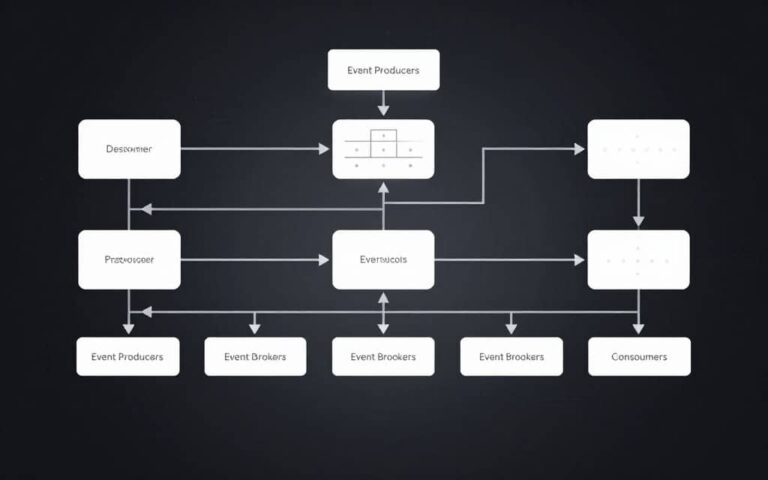
Are your applications struggling with stale information because your data can’t keep up? Traditional poll-based methods constantly ask your systems for updates, creating lag and unnecessary strain. This approach delivers outdated results and hurts performance. It’s a frustrating cycle that costs you real opportunities. There’s a better way. Imagine a system where every data change … Read more

Designing Databases for IoT Systems

designing databases for IoT systems

Your sensors are talking—constantly. They’re generating more information than traditional storage solutions can handle, creating a data deluge that demands a smarter approach. These connected devices produce high-volume, time-stamped information that arrives in unpredictable bursts. Standard database management tools weren’t built for this reality. They buckle under the pressure of real-time streams from thousands of … Read more

OLAP Cube Design Best Practices

OLAP cube design best practices

Your analytical queries crawl when they should sprint—users wait impatiently while your system struggles with basic requests. This frustrating slowdown often traces back to foundational choices made during the initial planning phase. When built correctly, these multidimensional structures deliver lightning-fast insights from massive datasets. They transform complex business intelligence questions into immediate answers. But poor … Read more

Physical vs Logical Database Independence

physical vs logical database independence

Your entire application hinges on its data, but what happens when you need to upgrade the underlying storage hardware? This is the core challenge of database independence—making fundamental changes without causing system-wide chaos. Think of it as a protective shield for your applications. It allows you to modify the system’s lower levels while the upper … Read more

Designing Data Marts for Analytics

designing data marts for analytics

Your organization’s data warehouse holds immense potential, but your teams are drowning in information they don’t need. They require specific insights—fast. How do you give them direct access without the slowdown? A data mart is the practical answer. It’s a focused repository built for a single department, like sales or marketing. This approach pulls only … Read more

Fact Tables vs Dimension Tables Explained

fact tables vs dimension tables

You’re staring at a mountain of raw numbers—sales logs, web traffic, inventory counts—but the real story remains hidden. That critical gap between having information and gaining insight is where your data warehouse earns its keep. The solution isn’t more data; it’s smarter structure. This is where two essential components come into play. One captures the … Read more

Designing Multi-Tenant Database Schemas

designing multi-tenant database schemas

Your next B2B application almost certainly needs a multi-tenant architecture. This means keeping every customer’s information completely separate and secure. The choices you make about your data structure now will either fuel rapid growth or create a technical mess that’s incredibly costly to fix later. This isn’t just theory—it’s the foundation your entire business will … Read more

Best Practices for Data Warehouse Schema Design

best practices for data warehouse schema design

Your company’s tools—CRM, analytics, product logs—generate a flood of information. Centralizing it is a start, but unlocking its true power hinges on getting the architecture right. A poorly planned structure turns your central repository into a sluggish data swamp. Teams lose faith in the numbers, and every new data source becomes a firefight. We’ll guide … Read more

Star Schema vs Snowflake Schema Explained

star schema vs snowflake schema

Your choice of a data schema isn’t just a technical checkbox—it’s a decision that echoes through your entire organization. It directly impacts how fast your dashboards load and whether your team can quickly answer critical business questions. Two primary models dominate analytical database design: the star schema and the snowflake schema. At first glance, they … Read more

A How-To Guide to Event Sourcing in Database Architecture

event sourcing in database architecture

Ever wish you could rewind and replay every change in your system? Traditional setups often lose track of past actions, making audits and troubleshooting a headache. With event sourcing, you store every modification as an immutable record—like a DVR for your data. This approach ensures full traceability, perfect for financial systems or order tracking. Need … Read more

Centralized vs Decentralized Databases: What’s the Difference?

centralized vs decentralized databases

Data drives modern businesses. With 90% of the world’s data created in just the last two years (Forbes), how you store and manage it impacts everything from security to costs. Choosing the right approach can make or break your operations. Many organizations struggle with silos, compliance, and scalability. That’s why 60% of enterprises now use … Read more

How to Build a Multi-Tier Database Architecture Guide

multi-tier database architecture

Remember when a single toy robot could do everything on its own? Those days are gone. Just like modern smart devices need separate controls, apps, and cloud storage, your applications now require a smarter setup. Old-school systems couldn’t handle today’s demands. Think of Black Friday crashes—when one overloaded server takes down everything. That’s why 70% … Read more

Client-Server Database Model: Definition and Guide

client server database model

Ever wondered how your favorite apps and websites deliver data so quickly? The answer lies in the client-server database model, a powerful architecture that keeps modern digital services running smoothly. This system splits tasks between two key players—devices that request information and those that provide it—ensuring fast, reliable communication. Whether you’re checking email, browsing the … Read more

Database vs Data Warehouse: What’s the Difference? For You

database vs data warehouse

Ever wondered why some systems handle transactions while others analyze trends? The answer lies in understanding the difference between a database and a data warehouse. While both store information, they serve unique purposes in your business. Most apps rely on databases—97% of them, in fact. They’re built for quick, real-time operations like processing orders. On … Read more

The Ultimate Guide to Event-Driven Database Architectures

Event-driven database architectures

What if your system could process data the moment it happens, instead of waiting for scheduled updates? This is the power of event-driven architecture, a game-changer in modern data integration. Traditional methods like poll-based ETLs often rely on full table scans, which can strain resources and slow down operations. In contrast, event-driven systems capture and … Read more

The Ultimate Guide to Federated Databases Architecture

Federated databases architecture

Have you ever wondered how modern organizations manage vast amounts of data without losing flexibility? The answer lies in a unique approach that connects multiple systems seamlessly. This article dives into the world of federated systems, showing you how they work and why they’re a game-changer. Unlike traditional methods, a federated system doesn’t merge all … Read more