

Think of your data’s blueprint as a living contract, not a static document. It’s constantly changing—new fields appear, old ones get retired, and data types shift without warning. This relentless evolution is the reality for any modern system handling real-time information.
When that contract breaks in your live production environment, the consequences are immediate. Pipelines shatter. Dashboards go dark. Your team loses faith in the very data they rely on.
So how do you keep everything running smoothly? This guide cuts through the theory to deliver practical strategies you can implement today. We’ll show you how to build resilient databases that adapt to change, preventing costly failures before they happen.
Real-World Impacts When Schemas Break
The phone starts ringing before you’ve finished your first coffee. A simple column rename—customer_id to customerId—just went live. Your entire analytics infrastructure begins collapsing.
A Scenario from Live Data Pipelines
Imagine managing critical data pipelines feeding real-time dashboards. One minor schema change slips through testing. Within seconds, everything fails.
Support tickets flood your queue. Business users demand answers. Finger-pointing inevitably lands on your team. Real-time systems can’t re-process yesterday’s data like batch systems.
Bad data propagates instantly through streaming pipelines. Every downstream consumer receives corrupted information. The damage spreads faster than your team can respond.
Consequences on Business Analytics
Technical failures create immediate business consequences. Decision-makers lose trust in your data. Critical analytics suddenly go dark.
Revenue impacts hit when leadership can’t access real-time metrics. The preventive mindset becomes crucial—fixing production issues costs exponentially more than preventing them.
Proper schema evolution practices protect your entire organization. They maintain data integrity during inevitable changes. Your team builds resilient systems that adapt smoothly.
Understanding the Importance of Schema Evolution
The ability to modify your data blueprint safely separates resilient systems from fragile ones. This capability lets you adapt structures over time without breaking existing operations.
Batch environments offer the luxury of pausing for adjustments. Real-time systems demand continuous operation where errors spread instantly.
Schema evolution supports three critical pillars. It ensures adaptability to new business requirements. It maintains compatibility with historical information. It guarantees uninterrupted continuity of operations.
Most pipeline failures stem from source data structure modifications. Adding or removing attributes causes immediate breakdowns. Changing field types creates cascading errors.
Modern platforms live in permanent transformation. New datasets constantly join existing infrastructure. Proper automated schema migration tools become essential protection.
This approach isn’t optional infrastructure—it’s mandatory for any growing organization. Your team builds confidence when changes happen smoothly. Business continuity depends on this foundational capability.
Core Principles of Compatibility and Versioning
Compatibility isn’t just a technical concept; it’s the safety net that catches you when inevitable changes hit your live environment. It guides every decision about how your data structures transform over time.
The goal is simple: keep everything working while allowing old and new schema versions to coexist peacefully. This prevents the fire drills that typically follow structural updates.
Forward, Backward, and Full Compatibility
Forward compatibility means your old systems can handle new information. Imagine a v1 consumer receiving v2 data with extra fields—it simply ignores what it doesn’t understand.
Backward compatibility works in reverse. New consumers expecting v2 can process older v1 records by applying default values for missing attributes instead of crashing.
Full compatibility represents the gold standard. Any producer version can communicate with any consumer version, eliminating deployment ordering headaches entirely.
These aren’t abstract ideas—they’re practical safeguards that prevent production emergencies. When you master these compatibility types, you build systems that adapt gracefully to constant change.
Implementing schema evolution in production databases
Moving from theory to practice requires shifting your mindset from reactive problem-solving to proactive strategy. Successful schema evolution demands deliberate planning that anticipates change rather than scrambling when it happens.
Implementation challenges multiply in live environments where downtime isn’t acceptable. Every modification carries inherent risk to your critical data pipelines.
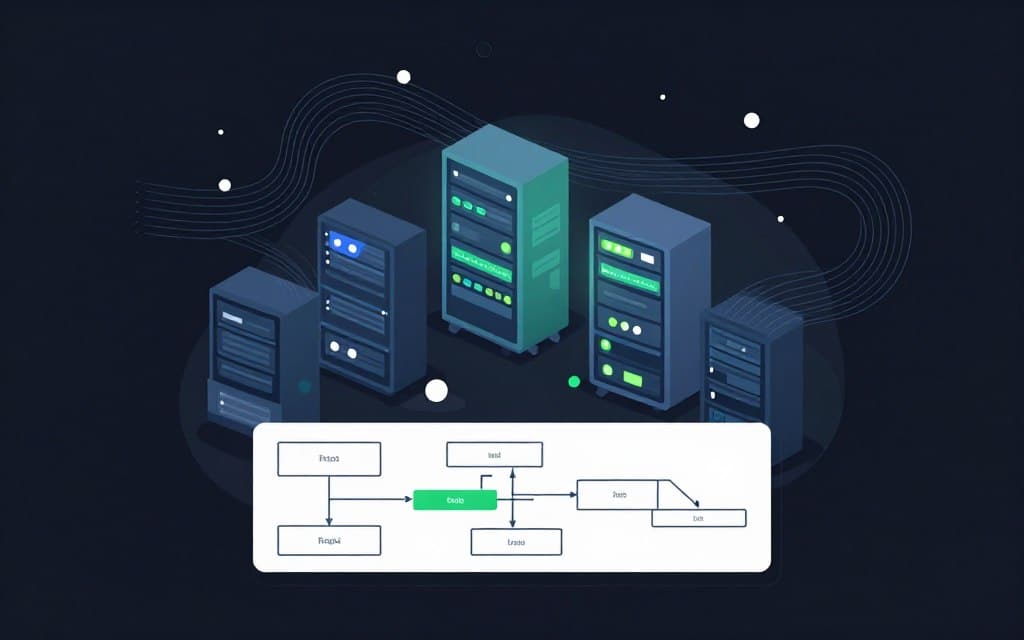
This discussion transitions from understanding why schema evolution matters to the practical how. We’ll explore specific patterns and techniques for production systems.
Core strategies include expand-contract patterns, schema registries, and automated discovery. Careful handling of data types becomes essential throughout this process.
Proper implementation eliminates the fear factor around structural modifications. It transforms high-risk operations into routine, safe procedures for your team.
Your approach should ensure continuous data flow during all schema changes. This prevents pipeline interruptions while maintaining system integrity.
The Expand-Contract Pattern for Safe Changes
The safest path through structural modifications follows a simple three-step rhythm: expand, migrate, contract. This method eliminates the risk of breaking your live systems during updates.
You maintain backward compatibility throughout the entire process. This approach transforms high-risk operations into routine procedures.
Expanding the Schema Without Disruption
Start by adding new columns without removing existing ones. For example, if you need to rename customer_name to name, add the new column first.
Execute ALTER TABLE users ADD COLUMN name VARCHAR(255). Then backfill data using UPDATE users SET name = customer_name. Both columns now coexist safely.
Contracting After Complete Migration
Only remove old columns after confirming all consumers use the new field. This final step completes the transformation safely.
Run ALTER TABLE users DROP COLUMN customer_name once migration is verified. Your system maintains continuous operation throughout these schema changes.
This pattern operationalizes compatibility principles in actual database transformations. It prevents the dangerous “big bang” approach where everything changes at once.
Leveraging Schema Registries as a Safety Net
A schema registry acts as the central authority for your data structures. Think of it as Git for your data blueprints. It provides a single source of truth across all your systems.
This centralized control prevents the chaos of mismatched versions. Your team gains confidence to make changes safely.
Centralized Version Control of Data Structures
Using a registry like Confluent Schema Registry with Apache Kafka is straightforward. You define your structures with Avro or Protobuf.
Here’s a simple Avro schema example adding an optional field:
{
“type”: “record”,
“name”: “User”,
“fields”: [
{“name”: “id”, “type”: “int”},
{“name”: “email”, “type”: “string”},
{“name”: “phone”, “type”: [“null”, “string”], “default”: null}
]
}
The registry stores every version you submit. It automatically validates new schemas against strict rules.
This validation catches breaking changes before they reach your live environment. It rejects modifications that would crash downstream consumers.
Systems can query the registry for the latest schema version dynamically. This eliminates hardcoded assumptions about data structure.
| Compatibility Type | Registry Validation Action | Impact on Consumers |
|---|---|---|
| Backward | Allows adding optional fields | Old consumers read new data safely |
| Forward | Allows removing optional fields | New consumers read old data safely |
| Full | Combines both validations | Any version works with any other |
This proactive approach transforms type safety. Errors are caught at registration time, not in production.
Your pipelines become resilient to the constant evolution of data requirements.
Best Practices for Zero-Downtime Schema Changes
Your staging environment is your final line of defense before a modification reaches your live systems. Treating it as an exact replica of production is non-negotiable for safe deployments.
This mirroring reveals locking scenarios and performance hits that lightweight test setups miss. It’s the only way to truly vet your schema changes.
Testing in Staging Environments
Follow a disciplined checklist of best practices. Start with semantic versioning for all your data structure updates.
Always make new fields optional with sensible defaults. This simple rule preserves backward compatibility instantly.
Document every change in a changelog. Explain not just what you altered, but the business reason why.
Monitor your registry for compatibility violations. Set up alerts to catch issues long before they impact users.
Avoid these critical anti-patterns at all costs. Never rename a field without using the expand-contract pattern.
Resist changing field types without a clear migration path. And never remove a field without confirming zero downstream dependencies.
These practices transform risky operations into routine, safe procedures. They protect your data integrity and save valuable time.
Real-World Examples of Schema Evolution in Action
Consider an e-commerce platform adding a discount tracking feature. You need to add discount_code and original_total columns to order events without breaking existing consumers.
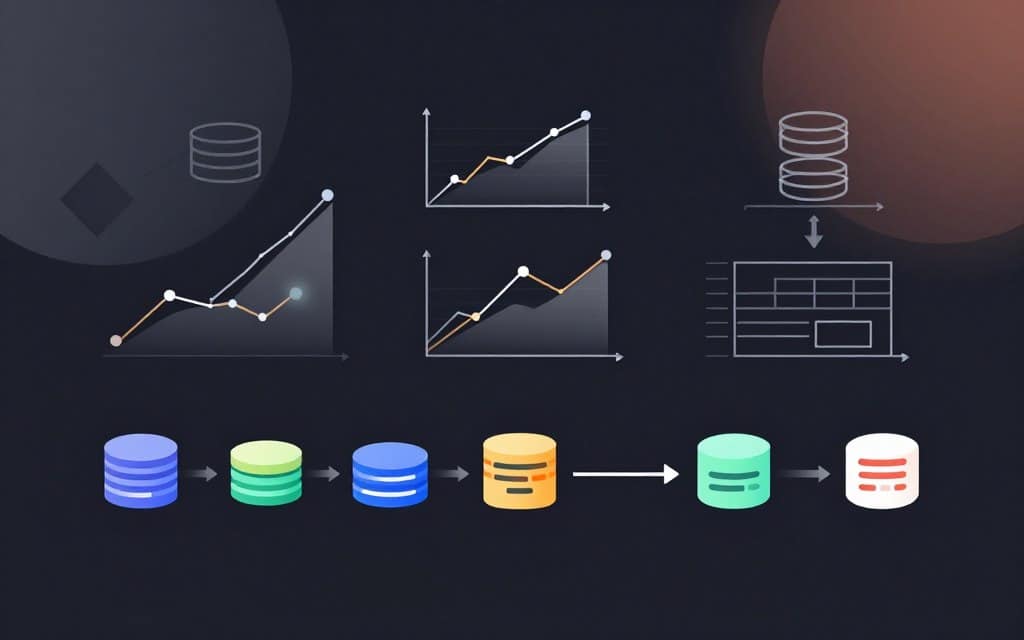
E-commerce Order Processing Adjustments
Your consumer code must handle both versions. Here’s Python logic that checks for the new fields gracefully.
if ‘discount_code’ in event_data:
apply_discount(event_data[‘discount_code’])
else:
process_standard_order(event_data)
This approach maintains backward compatibility. New functionality activates only when the extra data is present.
User Profile Schema Adaptations
Splitting a full_name field is another common task. You add first_name and last_name columns.
Intelligent fallback logic populates them from the original field. This evolution happens smoothly for users.
| Change Type | Before | After |
|---|---|---|
| Add Field | V1 Schema | V2 Schema |
| Split Field | full_name | first_name, last_name |
| CDC Event | No version info | Includes schema_version |
These are production-grade patterns. Your team can adapt them to specific challenges immediately.
Tackling Type Safety Challenges in Data Engineering
One of data engineering‘s most insidious challenges isn’t the data itself, but the shifting ground of data types beneath it. SQL is strongly-typed, yet it lacks the compile-time validation found in modern programming languages. This gap creates silent failures that emerge only at runtime.
The core issue is SQL’s dynamic nature. Scripts compile immediately before execution. Syntax and type errors fail when it’s too late to prevent pipeline disruption.
Consider a simple expression: price * quantity. If price is DECIMAL(4,2) and quantity is INT, the result’s type is unpredictable. It can vary between DECIMAL(6,2) and DECIMAL(15,2) based on the actual values in different data batches.
This unpredictability causes cascading failures. A changed data type propagates downstream through transformation chains. These failures are notoriously difficult to debug and fix after the fact.
These type safety issues are deeply connected to schema modifications. Altering a column’s type is one of the most dangerous changes you can make in a live system.
| Expression | Expected Result Type | Actual Possible Types | Potential Impact |
|---|---|---|---|
| price (DECIMAL(4,2)) * quantity (INT) | Consistent DECIMAL | DECIMAL(6,2) to DECIMAL(15,2) | Downstream column overflow or truncation |
| CAST operations on dynamic data | Specific target type | Runtime casting failures | Job abortion and data loss |
| Joins on columns with implicit type differences | Successful match | Failed joins or incorrect results | Silent data corruption |
Understanding these behaviors is critical. It allows your team to write defensive code and take proactive measures. This safeguards your entire data engineering workflow from unpredictable type-related breakdowns.
Strategies to Mitigate Schema Migration Risks
Your risk mitigation playbook needs clear rules for when to add versus when to clone. Choosing the wrong strategy for a specific change creates different kinds of long-term issues.
Fear often drives conservative strategies. This leads to technical debt that silently degrades performance over time.
Adopting Additive-Only Changes
Many teams default to only adding new columns. It feels like the safest way to avoid breaking existing applications.
Imagine adding a `preferred_contact_method` column to a user table. Old code ignores the new field, and new code uses it. This seems harmless.
But this pattern accumulates schema debt. Tables balloon with hundreds of obsolete columns. Query performance slows, and maintenance becomes a nightmare.
Using Cloning Methods for Incompatible Changes
For truly incompatible data type changes, cloning is your best way forward. This migration technique avoids data loss.
Consider changing a `product_code` from a VARCHAR to an INT. A direct conversion could lose leading zeros. Instead, create a new column called `product_id_int.
Your applications can then use conditional logic to handle both fields during a controlled transition period. This resolves the core issues of a risky conversion.
Selecting the right approach for each change is key. The table below clarifies when to use each strategy.
| Type of Modification | Recommended Strategy | Key Consideration |
|---|---|---|
| Adding a new optional attribute | Additive Change | Preserves full backward compatibility. |
| Renaming a field | Expand-Contract Pattern | Safest method for field renaming. |
| Changing to an incompatible data type | Cloning Method | Prevents data loss or corruption. |
This disciplined approach to migration turns fear into confidence. You manage risk without halting progress.
Essential Tools and Frameworks for Schema Migrations
Choosing the right migration tools can mean the difference between a smooth transition and a weekend fire drill. The ecosystem offers a range of powerful solutions for data engineers.
These frameworks automate the complex process of changing your data structures. They provide the safety net your team needs for confident deployments.
Traditional Solutions like Liquibase and Flyway
Liquibase and Flyway are the established leaders in this space. Both offer robust open-source versions.
Liquibase, around since 2006, targets enterprise environments with extensive features. Flyway often appeals more to individual developers for its simplicity.
Critical capabilities like rollbacks and schema diffs typically require paid licenses. This is a key consideration for teams on a budget.
Innovative Tools such as pgroll
Newer entrants are pushing the boundaries of what’s possible. pgroll is a standout open-source tool for PostgreSQL.
Its innovative approach serves multiple schema versions simultaneously. This enables genuine zero-downtime migrations and instant rollbacks.
This is a game-changer for teams managing live applications. It transforms high-risk operations into routine procedures.
| Tool | Primary Focus | Ideal Use Case |
|---|---|---|
| Liquibase | Enterprise multi-database support | Large teams needing broad compatibility |
| Flyway | Developer experience and simplicity | Smaller projects and individual developers |
| pgroll | PostgreSQL-specific zero-downtime migrations | Teams prioritizing maximum uptime |
Your selection depends on database compatibility, team size, and specific needs. The right choice empowers your team to manage change effectively.
Final Thoughts on Securing Resilient Data Pipelines
Mastering schema evolution transforms database modifications from weekend emergencies into routine operations. This capability separates resilient systems from fragile ones.
Your approach should be intentional, not reactive. Use proven patterns like Expand-Contract and Schema Registries. Automate validation to catch human errors early.
Remember that schema drift is inevitable in live environments. Resilience comes from expecting change, not trying to prevent it entirely.
Proper data engineering practices empower your team with confidence. Database changes become safe procedures that maintain system reliability.
Evaluate your current schema evolution process against these best practices. Identify gaps and implement improvements starting with your next production change.