

Did you know that a staggering 94% of organizations faced an API-related security incident last year? This isn’t just a number—it’s a wake-up call. These interfaces have become the primary attack surface for modern applications.
Think of them as the vital connectors between your software components. They enable everything from microservices communication to third-party integrations. This critical role also makes them a top target for malicious actors.
Why is this so urgent? Traditional perimeter defenses often miss the complex, evolving risks in today’s environments. Attackers specifically hunt for overlooked vulnerabilities in your application logic.
You need a robust strategy. Protecting these gateways is an essential requirement, not just a best practice. It safeguards your most sensitive information and your entire digital infrastructure.
This guide cuts through the noise. We provide the actionable steps you need to fortify your systems. Let’s build a stronger, more resilient defense together.
Understanding the API Threat Landscape
A silent shift in attack strategies is underway. It focuses less on perimeter walls and more on the application gateways themselves. Understanding this new landscape is your first defense.
Common Vulnerabilities and Attack Vectors
These interfaces are prime targets. They directly expose your application logic and sensitive data. Traditional testing often misses them, creating hidden weaknesses.
Teams frequently update REST, SOAP, or GraphQL endpoints. These changes can happen without a full security audit. This practice introduces significant vulnerabilities attackers love to find.
The result is clear. Poor protection has led to massive data breaches and account hijacking. These threats are real and highly dangerous for any organization.
The Evolving Role of APIs in Modern Applications
Your digital ecosystem has changed. These connectors now power everything from mobile apps to complex microservices architectures. This critical role is non-negotiable.
But this expansion has a cost. It creates a much wider, more complex attack surface for your business. Each new integration point is a potential vector for malicious attacks.
Static analysis isn’t enough. Only runtime testing uncovers how your api behaves under real-world conditions. You must find these hidden system weaknesses before the attackers do.
Establishing Secure API Design Principles
Security isn’t a feature you bolt on; it’s a principle you build in from the start. A strong secure design acts as your first and most effective line of defense. It shapes how every component interacts and protects your core systems.
This approach requires intentional planning from day one. Waiting until later creates gaps attackers will exploit.
Design with security in mind
You must embed protection into the initial architecture. Define strict input validation rules for every endpoint. This blocks malformed data at the gate.
Your design assumptions are just theories. You have to test them under real attack conditions. Only then can you verify your security holds up.
This proactive mindset transforms your development process. It turns potential weaknesses into confirmed strengths.
Defining clear access scopes and error-handling methods
Establish precise access scopes for all users. They should only reach the specific resources they need. This principle of least privilege drastically reduces your risk surface.
Robust error-handling is equally critical. Generic messages prevent the leakage of sensitive system details. Don’t give attackers a roadmap into your internal logic.
Together, these secure design principles create a resilient foundation. Your api becomes far harder to compromise from the inside out.
Building Resilient API Gateways and Centralized OAuth Systems
Imagine managing security for dozens of endpoints individually—it’s a recipe for disaster. A robust architecture demands centralized control. This approach simplifies defense and enforces uniform policies.
Leveraging gateways for traffic control
Always place your api behind a gateway. This creates a single choke point for all incoming traffic.
The gateway centralizes critical features. It handles rate limiting, detailed logging, and blocking malicious clients. This layer eases the process of adding security features.
You prevent the need to reinforce each individual endpoint. Your overall security posture becomes stronger and more manageable.
Implementing a centralized authorization server
A centralized OAuth server is your command center for identity. It should always issue access and refresh tokens. This maintains consistent security policies.
Only one entity handles complex tasks. It authenticates users and signs security tokens. Centralization promotes uniform token-based authentication across all services.
This reduces the risk of misconfiguration. Without a central server, managing signing credentials becomes chaotic as you scale. Your internal and public apis remain protected under one rule set.
Implementing Authentication and Authorization Measures
Identity is the new perimeter, making robust authentication and authorization non-negotiable. These are the twin pillars of trust for your digital ecosystem.
They verify who someone is and define what they can do. Getting this right stops breaches before they start.

Utilizing OAuth 2.0, JWTs, and Mutual TLS
Modern systems rely on layered verification. OAuth 2.0 delegates access securely. JWTs (JSON Web Tokens) carry verified identity claims in a compact package.
For machine-to-machine communication, mutual TLS adds a powerful layer. It ensures both client and server prove their identity. This trio forms a formidable security foundation.
Ensuring Proper Enforcement of Role-Based Controls
Verifying identity is only half the battle. You must also enforce what that identity can do. Improper role validation is a direct path to privilege escalation.
Authorization checks must be consistent and fine-grained. Apply them at every api endpoint, not just the gateway. This creates a defense-in-depth strategy.
Your authentication mechanisms must be validated through rigorous testing. Try to bypass them to expose weaknesses first. This proactive security stance is essential.
Apply the same strict control to internal and public apis. Consistent policies prevent blind spots. This technical rigor should be supported by clear governance policies for complete coverage.
Deploying Data Encryption and Transport Layer Security
Leaving data unprotected in transit is like broadcasting your secrets on a public frequency. Every request and response moving between your services contains critical information. Transport layer security is the non-negotiable encryption standard that seals this communication.
This layer ensures that even if traffic is intercepted, it appears as useless gibberish. You must apply it consistently across your entire network.
Enforcing HTTPS and Strong Cipher Suites
Your first rule is simple: never expose an api over plain HTTP. Always enforce HTTPS with TLS 1.2 or higher. This encrypts all sensitive data in transit, preventing attackers from sniffing your internal traffic.
You also need to mandate strong cipher suites. Outdated encryption algorithms have known weaknesses. Modern suites provide the robust security your architecture demands.
Apply HTTPS internally between your microservices too. This practice is a core component of a zero-trust model. It ensures east-west traffic remains protected.
Identifying Weak Encryption Configurations
Weak settings can silently undermine your entire security posture. You must proactively hunt for them. Dynamic Application Security Testing (DAST) tools are excellent for this job.
These tools simulate attacks to check for unsecured endpoints. They can flag outdated TLS versions or insecure cipher configurations. Regular scans help you maintain robust security across your api infrastructure.
Don’t let a weak transport layer become your system’s Achilles’ heel. Consistent configuration management closes this critical gap.
Hardening APIs Against Injection and Exploits
Injection attacks remain a top threat, exploiting the very data your applications are built to process. These exploits target the core logic of your systems.
You must build a robust defense at the data layer. This stops malicious payloads before they reach your core systems.
Sanitizing inputs to prevent SQLi and XSS
Strong input validation is your primary shield. Treat every piece of incoming data as potentially hostile.
Sanitize all user-supplied information. This is especially critical for data used in database queries or rendered in browsers.
This practice directly prevents SQL injection (SQLi) and Cross-Site Scripting (XSS). These vulnerabilities can compromise your entire application.
Testing for unsanitized data exposure
Static code reviews often miss weak spots. You need active testing to find them.
Dynamic Application Security Testing (DAST) tools simulate real attacks. They send malicious payloads to your api input fields.
This exposes endpoints with poor validation that other reviews skip. It ensures your security holds even if a request slips past the gateway.
According to the 2023 OWASP Top 10, broken object-level authorization is the top risk. Consistent input checks are your best defense against this and other exploits.
Ensuring Rate Limiting to Prevent Abuse
What happens when a single user or bot decides to call your endpoint a million times? Without controls, your system grinds to a halt. Rate limiting acts as the essential traffic cop for your digital ecosystem.
This practice directly stops denial-of-service attacks. It also limits how frequently any client can call your api. This is a core strategy to prevent abuse and unauthorized data extraction.
You must implement these controls. Interfaces without them are highly vulnerable. They can be overwhelmed or used for excessive data scraping.
Dynamic Application Security Testing (DAST) tools are crucial here. They simulate attacks to test for rate limit bypasses. This helps you find gaps in your security before malicious actors do.
Ignoring this layer leaves your infrastructure wide open. Once another flaw is found, attackers face no throttle on data theft. Consistent monitoring catches users who create many clients to skirt your rate rules.
This monitoring is a common sign of attempted abuse. A robust rate limiting policy is non-negotiable for modern security. It maintains system stability and helps you prevent abuse effectively.
Security Testing: Dynamic Application Security Testing Strategies
Static code analysis gives you a map, but dynamic security testing walks the terrain under fire. It evaluates your live systems, not just their blueprints.
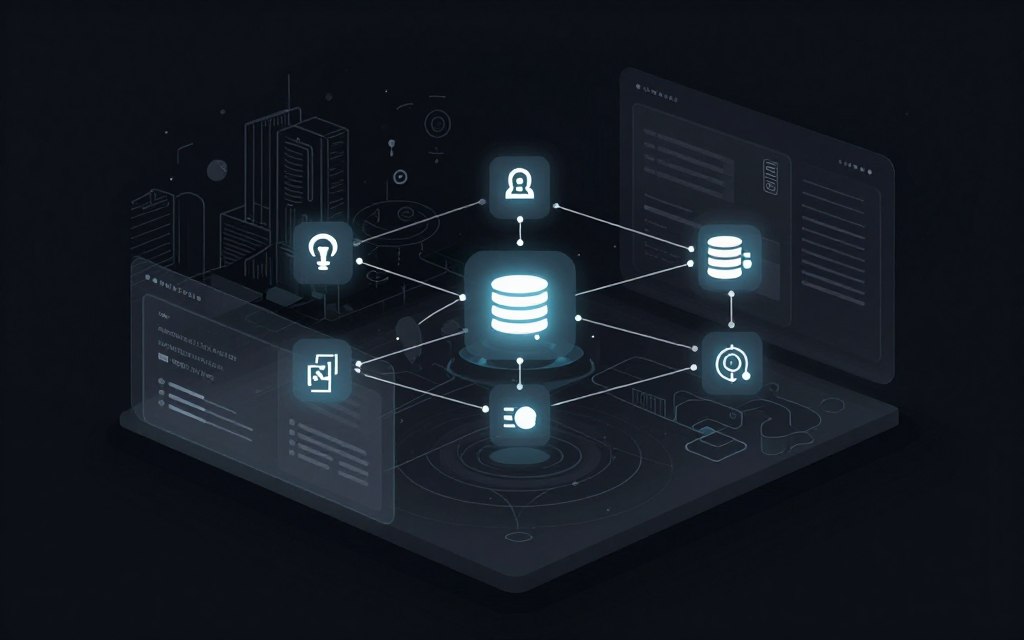
This approach is critical for modern applications. You need to know how your defenses perform when challenged.
Simulating real-world attack conditions
DAST tools operate against your deployed api infrastructure. They send malicious payloads and unusual requests, just like a real attacker would.
This testing proves your security controls work. It uncovers logic flaws and configuration errors that static scans miss entirely.
Detecting vulnerabilities with DAST tools
Integrating this testing into your workflow is vital. It finds hidden vulnerabilities before malicious actors do.
You must check your logs for DAST-generated activity. If it’s not there, improve your monitoring for better visibility.
| Testing Method | How It Works | Key Strength | Best For |
|---|---|---|---|
| DAST | Attacks running applications | Finds runtime & configuration flaws | Post-deployment validation |
| SAST | Analyzes source code | Finds bugs early in development | Pre-deployment code review |
| IAST | Instruments app during testing | Provides real-time feedback | CI/CD pipeline integration |
By simulating attacks, you validate your api defenses against modern threats. This proactive security testing is a non-negotiable layer of protection.
Best Practices for securing APIs for database access
Adopting a set of core best practices transforms your API defense from reactive to proactive. Protection is not a one-time task. It demands layered defenses, constant vigilance, and a commitment to high standards.
You must follow established best practices to keep your interfaces safe. This prevents unauthorized entry and major data breaches. Consistent habits build a resilient shield.
Maintaining high standards requires ongoing effort. Schedule regular security audits and peer code reviews. Integrate strong governance into your entire api lifecycle management.
Never rely on obscurity. Complicated endpoint names won’t stop a determined attacker. Real security comes from robust technical controls, not hidden paths.
Treat your internal interfaces with the same care as public ones. This protects your organization from insider threats. Uniform policies eliminate dangerous blind spots.
By embedding these best practices, you create a sufficient safeguard. You will thwart unwanted behavior that could lead to significant data loss. Your critical systems remain under your security control.
Integrating API Security into Your CI/CD Pipeline
True DevOps velocity requires embedding security checks directly into your automated workflows. Speed cannot compromise your system’s integrity.
The “shift-left” philosophy is essential. It moves security testing earlier in the development cycle. This proactive approach finds issues when they are cheaper and easier to fix.
Automating scans during build and deployment
You must automate security validation within your pipeline. Integrate Dynamic Application Security Testing (DAST) tools to scan every build.
These tools, like Invicti, integrate seamlessly. They support SOAP, REST, gRPC, and GraphQL interfaces for comprehensive coverage.
Automation delivers actionable results fast. It prevents vulnerable code from ever reaching your production environment. This is a critical layer of defense.
| Pipeline Stage | Security Action | Primary Tool Type | Outcome |
|---|---|---|---|
| Code Commit | Static Analysis (SAST) | Code Scanner | Catches bugs in source code early |
| Build/Integration | Software Composition Analysis (SCA) | Dependency Checker | Flags vulnerable third-party libraries |
| Staging/Pre-Prod | Dynamic Testing (DAST) | Runtime Scanner | Finds runtime & configuration flaws |
| Deployment Gate | Policy Enforcement | Security Orchestration | Blocks non-compliant builds from release |
Remember, shifting left is vital but not a complete solution. Runtime testing in later stages catches what earlier scans miss.
By automating these checks, you validate every deployment against known threats. Your end users only interact with code that has passed real-world security testing.
Avoiding Common Security Pitfalls and Credential Hardcoding
Many security breaches originate not from sophisticated attacks but from basic errors like embedding keys in code. These oversights create invisible backdoors. They bypass your primary defenses entirely.
Your vigilance must extend beyond the front lines. You have to hunt for hidden weaknesses in your own systems. This is where robust practices make the difference.
Identifying hidden endpoints and unmanaged credentials
Never embed secrets or tokens in your front-end code. Dynamic Application Security Testing (DAST) tools can detect credentials leaked in error messages. This exposes your sensitive data instantly.
These same security tools discover undocumented or hidden apis. They highlight risk areas you may not know exist. This discovery is crucial for complete protection.
For key distribution, use JSON Web Key Sets (JWKS). Obtain the key from a JWKS endpoint exposed by your OAuth server. This allows simple rotation without disrupting active api services.
Avoid mixing authentication methods with different strength levels for the same resource. This inconsistency opens the door to api abuse. Stick to one strong method.
Ensure no sensitive data ends up in your JWT claims. Information in a JWT is easy to decode and potentially public. Keep claims minimal and non-revealing.
| Practice | Insecure Method | Secure Method | Risk Level |
|---|---|---|---|
| Credential Storage | Hardcoded in source control | Fetched from secure vault or JWKS endpoint | Critical |
| Endpoint Management | Undocumented, hidden apis | Fully documented, discovered by DAST scans | High |
| Error Handling | Revealing stack traces & keys in error messages | Generic user-friendly messages | Medium |
| Token Contents | Storing personal data in JWT | Using opaque reference tokens or minimal claims | Medium |
By addressing these common pitfalls, you build a deeper layer of security. You protect the data flows that power your applications. Consistent habits prevent catastrophic leaks.
Continuous Monitoring, Logging, and Real-Time Alerts
Logs are the silent witnesses to every interaction your systems have, both good and bad. Without them, you’re operating blind. Continuous monitoring turns this raw information into your most powerful security asset.
Establishing effective log collection practices
You must capture every call to your interfaces. This includes timestamps, user identity, requested resources, and response codes. Centralized logging monitoring spots unusual patterns fast.
Gather metrics on usage. Watch for clients making rapid, sequential requests. This often signals someone trying to iterate over ID numbers or bypass your controls.
Losing data through abuse hurts your business just like a direct hack. Your logs are the evidence you need to stop it.
Refine your strategy so activity from testing tools is visible. If your logs don’t show these simulated attacks, your visibility has a major gap.
Always watch for requests with odd headers or payloads. These are common signs of an active exploit attempt against your api.
| Log Type | Primary Purpose | Key Data Captured | Security Value |
|---|---|---|---|
| Audit Logs | Track user actions & access | Who, what, when, from where | Detects unauthorized api use and policy violations |
| Error Logs | Record system failures | Stack traces, error codes, input that caused fault | Reveals probing attacks and application weaknesses |
| Performance Logs | Monitor system health | Response times, throughput, resource usage | Identifies DDoS attacks and abnormal traffic spikes |
Effective logging monitoring provides the real-time intelligence your security team needs. It transforms passive records into active defense.
Final Strategies to Fortify Your Critical Systems
The journey to protect your core assets culminates in a mindset of perpetual vigilance and adaptive defense. Recognize that robust security is a paramount concern for any organization.
A stronger foundation relies on a secure, centralized OAuth server. It manages token issuance and claims. Treat internal api endpoints with the same care as public ones. This ensures your systems are protected from all potential threats.
By following these measures, you sufficiently safeguard your interfaces. You thwart unwanted behavior that could compromise sensitive business data. Security is not set-and-forget. It requires constant validation to keep your systems safe.
Integrate these final strategies with other defensive layers. A robust database firewall configuration complements your api security. Together, they fortify your critical digital infrastructure.