Automating Data Pipelines for Analytics
automating data pipelines for analytics

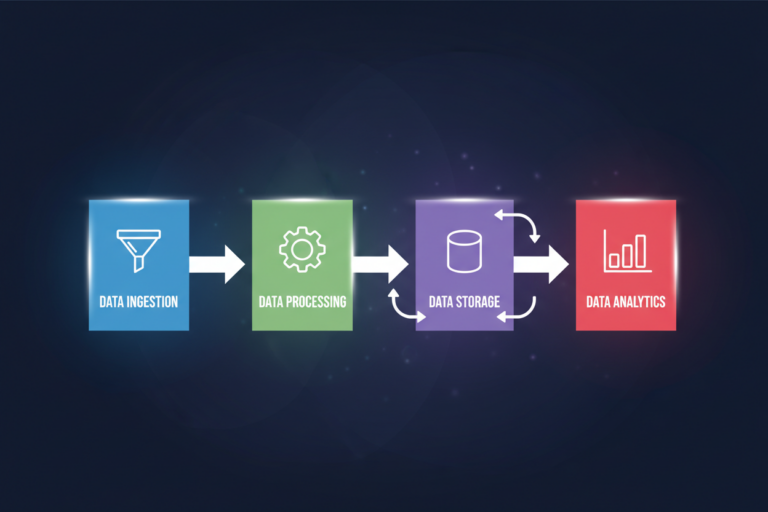
Are you tired of dashboards breaking because a manual script failed? Your team needs reliable information to make decisions—not guesswork based on stale numbers. Moving beyond manual processes is critical. You must ensure your information is integrated, transformed, and tested for accuracy before stakeholders act on it. Modern software deployment principles are now applied to … Read more

5G Impact on Database Performance: Expert Guidance

5G impact on database performance

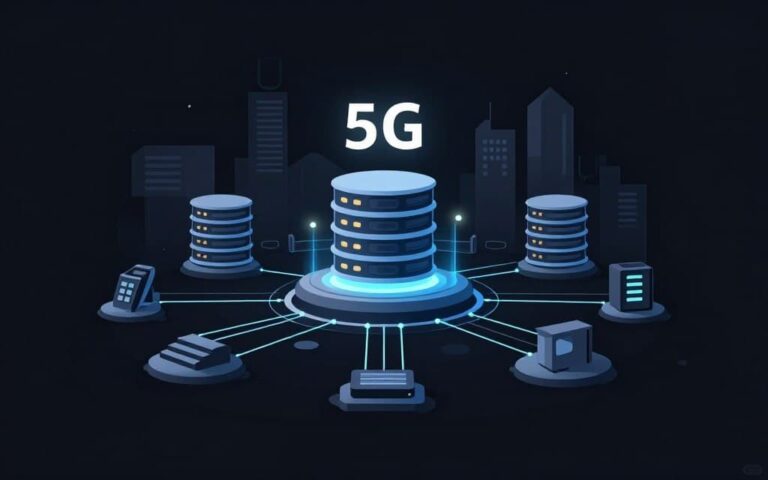
Imagine a single city block where a million connected devices are constantly talking. That’s the sheer scale of data the new wireless standard enables. Your current systems weren’t built for this. Speeds are up to 100 times faster, with latency slashed by 40 times. This isn’t just an upgrade—it’s a tidal wave of real-time information. … Read more

OLTP vs OLAP: Key Differences Explained

difference between OLTP and OLAP

Which system runs your checkout in milliseconds while another mines months of history for business insight? You use one system to record every online transaction and keep accounts accurate in real time. You use the other to analyze aggregated data and find trends that guide strategy. Quick takeaway: one focuses on fast, write-first processing with … Read more

The Ultimate Guide to Vector Databases in Machine Learning

vector databases in machine learning

AI is transforming how businesses handle information, but traditional systems struggle to keep up. Unstructured data grows 30-60% yearly, and Gartner predicts 30% of enterprises will adopt advanced solutions by 2026. This surge demands smarter ways to organize and retrieve insights. Enter vector databases—the backbone of modern AI applications. They power everything from Home Depot’s … Read more

OLAP vs. OLTP Databases: Understanding the Differences

OLAP vs OLTP databases

When choosing a database, you might wonder about OLAP vs OLTP databases. These systems have different roles in data management. With data growing fast, knowing the difference is key. OLAP is for complex analysis, while OLTP handles daily transactions. Think about your data and goals. OLAP systems store big data for business insights. OLTP systems … Read more

In-Memory Databases for High-Speed Transactions

In-memory databases high-speed transactions

In-memory databases make transactions much faster. They store data in RAM, not on hard drives. This means data is accessed quicker, improving how fast and efficient your database is. These databases boost your work speed by handling transactions quickly. They’re great for fast data needs in telecom, finance, and location-based services. Here, quick data processing … Read more