Automating Database User Provisioning

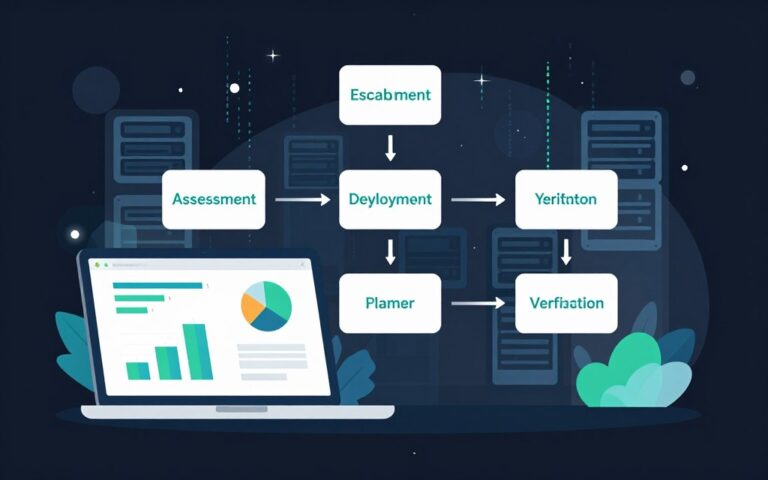
automating database user provisioning

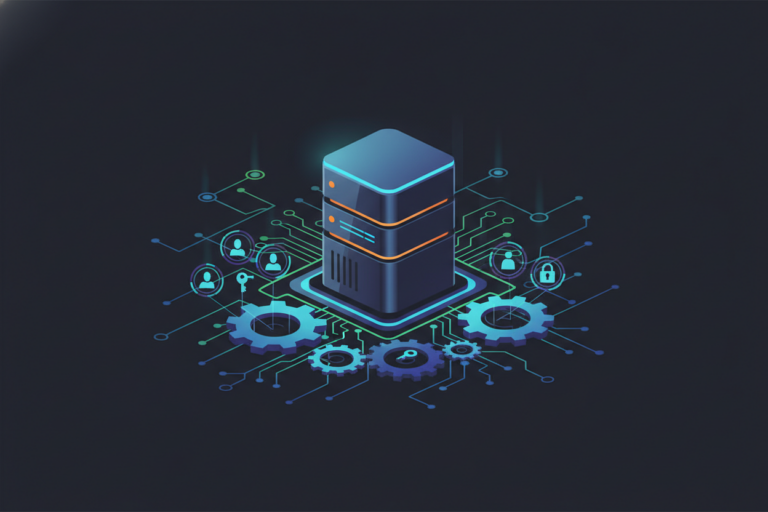
Is your team still handling account setup and permissions by hand? In today’s fast-moving IT world, that manual approach creates real problems. Manual processes are slow, expensive, and full of risk. A single typo during onboarding can leave sensitive information exposed. When an employee changes roles or leaves, delays in adjusting their access rights become … Read more
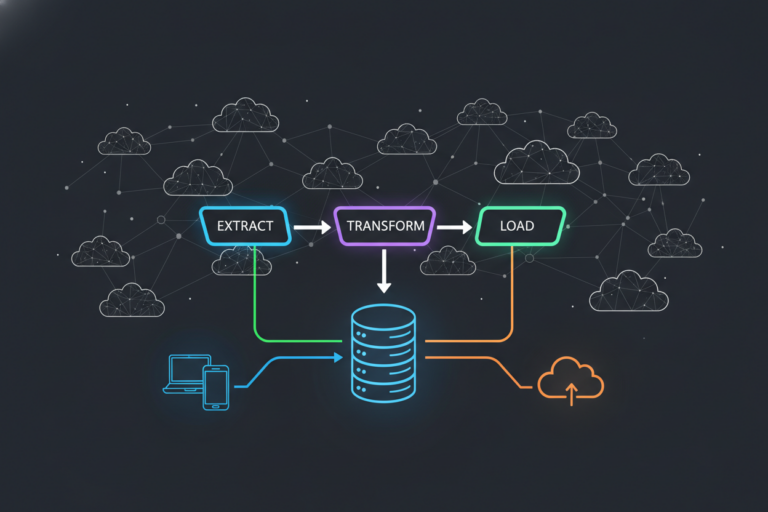
Real-Time ETL Pipelines with Databases

real-time ETL pipelines with databases

Is your business ready for the data tsunami? Global information creation is forecast to hit a staggering 181 zettabytes by 2025. That’s an ocean of numbers, transactions, and customer interactions. You face a massive challenge. Legacy batch-processing methods simply can’t keep pace. They create bottlenecks, leaving you with stale insights in a world that demands … Read more

Integrating Databases with CRM Platforms

integrating databases with CRM platforms

Is your critical customer information slipping through the cracks? You’re not alone. The average organization now uses over 900 different applications to manage daily operations. This sprawl creates a massive problem. A staggering 81% of IT leaders report that data silos are actively blocking their digital transformation. When your systems don’t talk to each other, … Read more

Integrating Databases with Chatbots

integrating databases with chatbots

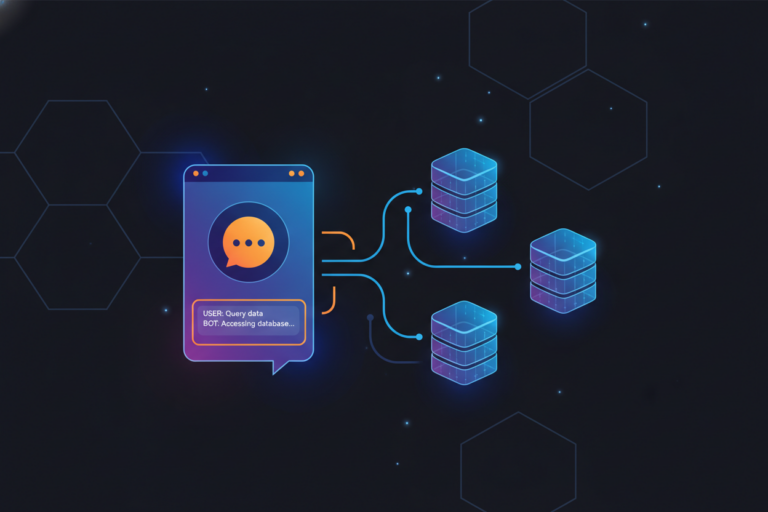
Is your customer experience stuck in the past? Modern business success now relies on a powerful connection—linking your core data systems directly to your automated conversational interface. Jaya Malhotra highlights a critical shift in a recent blog. Rigid, old systems are failing. They can’t keep up with today’s fast-paced demands. This is your primary guide … Read more

Automating Database Schema Changes

automating database schema changes

Is your next feature deployment at risk because your data structure isn’t ready? Manual updates to your system are a leading cause of disruption. As Neel Vithlani highlighted in March 2025, integrating these tasks into a CI/CD pipeline is no longer optional—it’s critical. You must maintain perfect sync between your application code and your database … Read more

Integrating Databases with CI/CD Pipelines

integrating databases with CI/CD pipelines

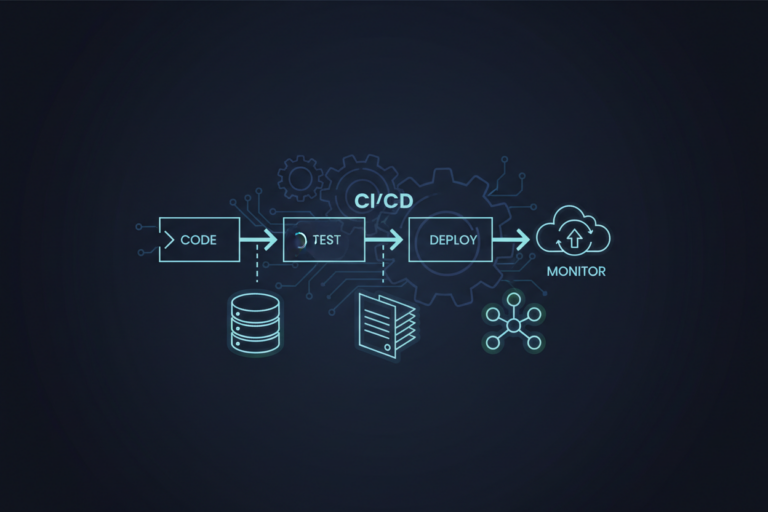
Is your deployment process a constant source of anxiety? While your application code flies through automated pipelines, your critical data often gets left behind—manually. This creates a dangerous gap. In a March 2025 article, Neel Vithlani highlighted how automating database schema changes prevents the outages and errors caused by manual hand-offs. Joey D’Antoni confirms the … Read more

Automating Database Backups with Cloud Functions

automating backups with cloud functions

What happens if your most critical information disappears tomorrow? Manual processes fail. Human error is a constant threat. System corruption can strike without warning. The answer lies in serverless automation. Google Cloud Functions executes code in response to events, requiring zero infrastructure management. This approach is a cornerstone of modern cloud-based database migration strategies. This … Read more

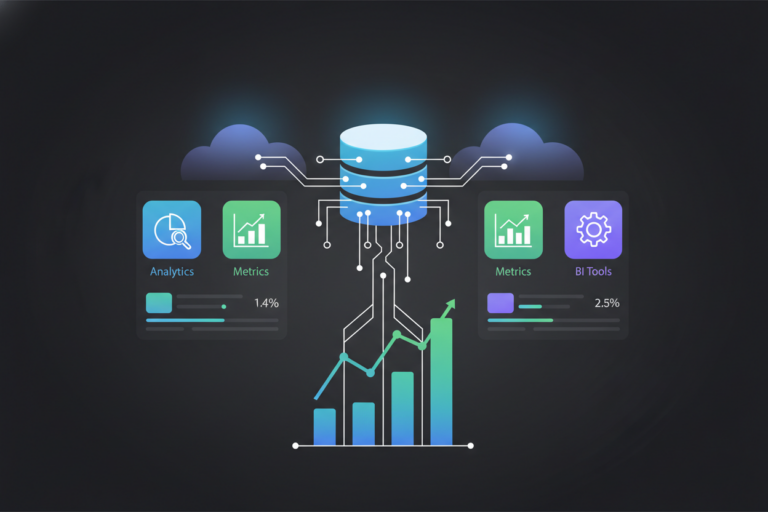
Database Integration with BI Tools

database integration with BI tools

Are you making decisions based on gut feeling or fragmented reports? In today’s market, that’s a dangerous game. You need accurate, timely, and actionable insights to win. Business intelligence platforms turn raw numbers into clear reports and dashboards. But their power is locked away if your information lives in separate silos. How do you bridge … Read more

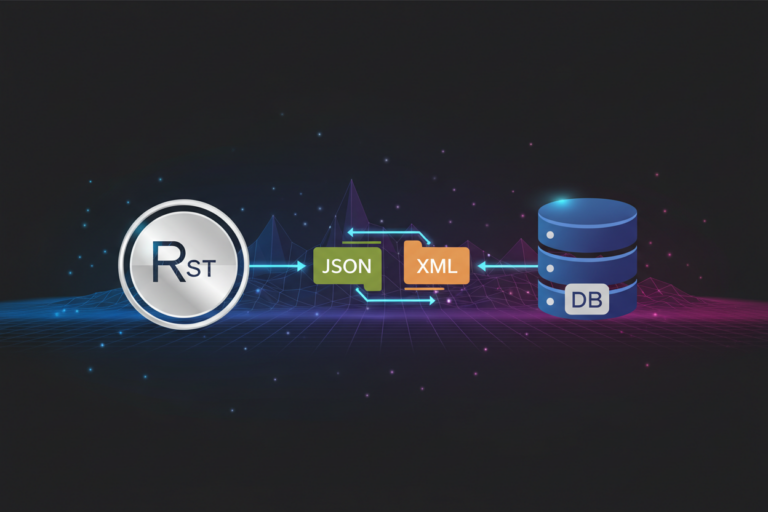
How to Integrate Databases with REST APIs

REST API integration with databases

Remember 2005? Back then, developers had only 105 open APIs to work with globally. Fast forward to this year, and the landscape is unrecognizable. Today, the industry manages over 15,000 APIs—with about 40 new ones appearing every single week. That’s a tidal wave of connectivity. If your internal systems can’t talk to these modern services, … Read more

Using Webhooks for Real-Time Database Updates

using webhooks for real-time database updates

Is your database always a beat behind? Your applications and users need current information now. Waiting creates friction and missed opportunities. Older polling methods drain server resources. They force your system to repeatedly check for changes. This introduces lag, leaving your data outdated. An event-driven architecture fixes this. A specific event triggers a webhook. This … Read more

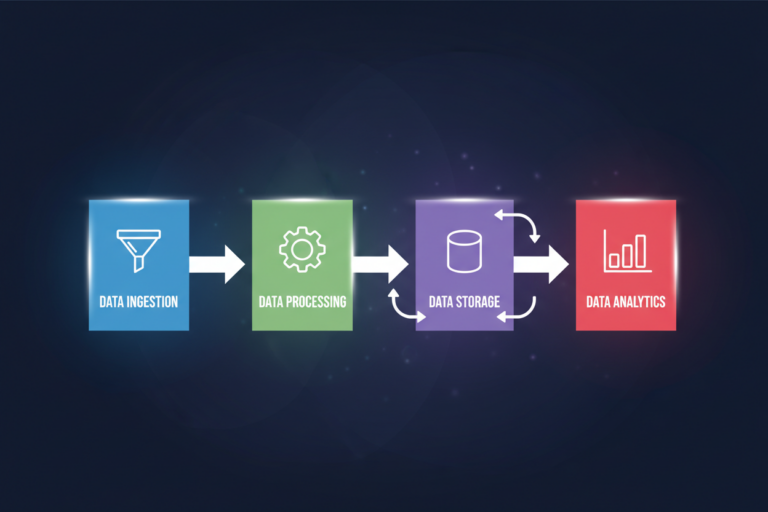
Automating Data Pipelines for Analytics

automating data pipelines for analytics

Are you tired of dashboards breaking because a manual script failed? Your team needs reliable information to make decisions—not guesswork based on stale numbers. Moving beyond manual processes is critical. You must ensure your information is integrated, transformed, and tested for accuracy before stakeholders act on it. Modern software deployment principles are now applied to … Read more

How to Integrate Databases with ERP Systems

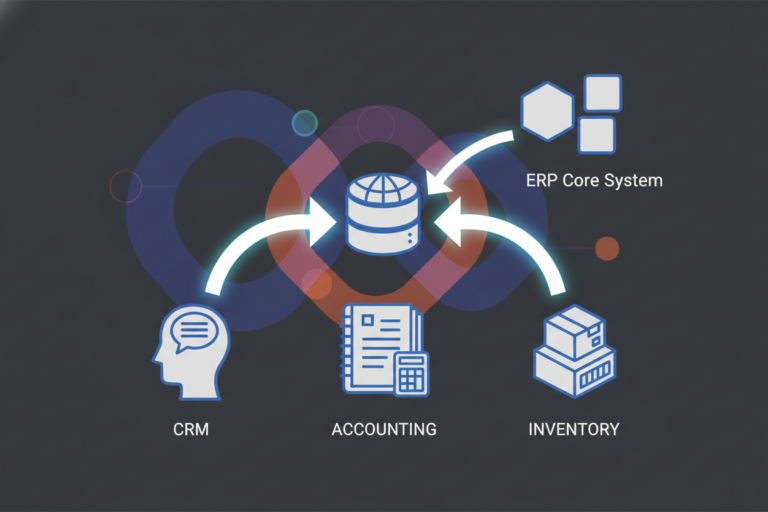
database integration with ERP systems

Is your company’s operational efficiency stuck in neutral? You’re not alone. A staggering 40% of digital transformation initiatives fail. Why? Poor planning and a lack of clarity around connecting critical technology. Modern Enterprise Resource Planning software is designed to be your command center. It unifies finance, human resources, and procurement into one powerful platform. But … Read more

Database Threat Modeling Techniques

database threat modeling techniques

Did you know malware exploiting software vulnerabilities spiked 151% in just one quarter? This surge happened back in 2018, and the digital landscape has only grown more hostile since. By 2021, the annual cost of cyber-crime was estimated at a staggering $6 trillion. That number makes one thing clear: a reactive security stance is a … Read more

Monitoring Database Access Logs

monitoring database access logs

Did you know internal users cause over 30% of serious data exposures? A single unauthorized query can risk millions of records. You must track every critical system event to protect sensitive information. This isn’t just about external hackers—malicious internal threats are a real danger. Services like Azure SQL Database and Azure Synapse Analytics provide robust … Read more

Implementing Row-Level Security in Databases

implementing row-level security

Did you know 83% of data breaches start with someone seeing information they shouldn’t? Your sensitive customer records, financial data, and private employee details are constantly at risk. In today’s complex data infrastructure, a single gap can expose everything. That’s why row-level security is essential for protecting sensitive information from unauthorized users inside your own … Read more

Database Patch Management Strategies

database patch management strategies

Did you know that unaddressed software flaws are the root cause for over half of all major data incidents? This startling fact underscores a brutal truth in today’s digital landscape. Your critical systems are under constant siege. Every day, new weaknesses are discovered and weaponized by attackers. You cannot afford to fall behind. A disciplined … Read more

Securing APIs for Database Access

securing APIs for database access

Did you know that a staggering 94% of organizations faced an API-related security incident last year? This isn’t just a number—it’s a wake-up call. These interfaces have become the primary attack surface for modern applications. Think of them as the vital connectors between your software components. They enable everything from microservices communication to third-party integrations. … Read more

Multi-Factor Authentication for Databases

multi-factor authentication for databases

Did you know over 80% of hacking-related breaches leverage stolen or weak passwords? If your system relies solely on a single password, you’re essentially leaving the front door unlocked. That single point of failure is a massive risk. Modern threats demand stronger gates. You need a system that adds essential layers of defense to truly … Read more

Database Security Incident Response Plan

database security incident response plan

Did you know your organization likely adds over 300 new services every month? This constant growth massively expands your digital attack surface. Each new service can create a hidden opening. In fact, about 32% of new high or critical cloud exposures stem from these monthly additions. Three categories of exposures account for a staggering 73% … Read more

Protecting Databases from Ransomware Attacks

protecting databases from ransomware

Did you know ransomware-as-a-service (RaaS) tools have lowered the barrier to entry for cybercriminals, creating a surge in attacks? Your organization’s most valuable asset—its data—is now in the crosshairs. These RaaS kits dramatically increase your attack surface. They allow less-skilled threat actors to launch sophisticated campaigns against your critical infrastructure. Why is this so dangerous? … Read more

Top Database Vulnerability Scanning Tools

database vulnerability scanning tools

Did you know over 60% of data breaches originate from unpatched software flaws? This startling fact underscores a harsh truth—cybersecurity begins with understanding potential weaknesses before adversaries exploit them. You must proactively identify flaws in your systems, applications, and networks. Waiting for an attack is a losing strategy for protecting sensitive information. Specialized software solutions … Read more

Detecting Insider Threats in Databases

how to detect insider threats in databases

Did you know a single insider security incident can cost your company over $7 million? According to the Ponemon Institute, the average financial impact reaches $7.12 million. Containing such an event takes 77 grueling days. This risk originates from within your own walls. An insider threat is a person with authorized access—an employee, contractor, or … Read more

Database Encryption Key Management

database encryption key management

Did you know a single data breach now costs companies an average of $4.44 million? That staggering figure from the latest industry reports underscores a critical reality. Your most valuable digital assets face relentless, sophisticated cyber threats every day. Prioritizing a robust defense is no longer optional—it’s an urgent business imperative. Effective encryption acts as … Read more

Zero Trust Security for Databases

zero trust security for databases

A staggering 73% of data breaches start with compromised access credentials. Your most valuable assets live inside these critical systems. Think about customer records, financial details, and intellectual property. They are the lifeblood of your operation. Every day, sophisticated threats target this information. Methods like SQL injection and ransomware attacks are common. Traditional perimeter defenses … Read more

Self-Healing Database Systems: How to Ensure Data Reliability

self-healing database systems

More than 70% of critical application outages start at the data layer. Your revenue, reputation, and user trust hinge on a foundation that can—and will—fail. Traditional manual recovery creates costly delays. Engineers scramble at 2 AM, but the damage is already done. What if your infrastructure could diagnose and repair itself autonomously? That’s the promise … Read more

Integrating Databases with Blockchain: A Comprehensive Guide

integrating databases with blockchain

Did you know that 95% of businesses struggle with data silos and trust issues when sharing information? This isn’t just an IT problem—it’s a multi-million dollar risk to your operations. You’re facing a critical decision. How do you maintain rock-solid data integrity across partners and keep your entire system secure? Traditional databases are fast, but … Read more

The Ultimate Guide to Predictive Analytics with Databases

predictive analytics with databases

Did you know companies using historical data to forecast events see a 73% higher profit margin? That’s the power of turning information into foresight. You’re sitting on mountains of raw numbers. But can you see what’s coming next? Most organizations can’t—and that gap is costly. This guide changes everything. We’ll show you how your storage … Read more

Real-Time Event Streaming Databases Compared: Key Differences

real-time event streaming databases

Did you know over 60% of technical teams spend months building infrastructure when they actually need an analytics platform? This costly mistake stems from a common confusion. You’re evaluating systems that promise sub-second data freshness. Events should be queryable moments after they arrive. You also need high concurrency and predictable costs. But here’s the uncomfortable … Read more

Serverless Database Architectures: Ultimate Guide for Scalability

serverless database architectures

Did you know companies using modern data systems slash infrastructure management time by up to 70%? That’s the fundamental transformation happening right now. You’re watching decades of complexity get stripped away. This shift is reshaping how applications handle growth. What does this new paradigm really mean? It’s not about eliminating servers. It’s about eliminating the … Read more

The Ultimate Guide to AI-based Anomaly Detection in Databases

AI-based anomaly detection in databases

Did you know a single, hidden data glitch can trigger a cascade of system failures? It happens more often than you think. You’re managing colossal data flows every day. Millions of transactions stream through your databases, and critical threats hide in plain sight. Old-school, rule-based monitoring simply can’t cope. It leaves you exposed to breaches, … Read more

AI-Powered Database Query Optimization: How-To Guide

AI-powered database query optimization

Did you know database teams can waste over 30 hours a month just tweaking slow SQL by hand? That’s a massive drain on talent and time. Traditional SQL tuning is a complex, manual art. It relies on expert intuition and reactive guesswork after users already complain about speed. You’re stuck analyzing execution plans and rewriting … Read more

5G Impact on Database Performance: Expert Guidance

5G impact on database performance

Imagine a single city block where a million connected devices are constantly talking. That’s the sheer scale of data the new wireless standard enables. Your current systems weren’t built for this. Speeds are up to 100 times faster, with latency slashed by 40 times. This isn’t just an upgrade—it’s a tidal wave of real-time information. … Read more

Top Cloud-Native Database Platforms Compared: Pros & Cons

cloud-native database platforms

Over 70% of new applications are built for the cloud—but many still rely on data systems designed for a different era. That mismatch creates real problems. Your apps demand speed and flexibility, while your legacy infrastructure struggles to keep up. You’re not just moving old databases to a new location. You’re choosing a fundamental architectural … Read more

The Ultimate Guide to Embedded AI in Database Systems

embedded AI in database systems

Here’s a surprising fact: 78 percent of organizations now use generative AI in at least one core business function. This isn’t just a trend—it’s a fundamental shift in how we handle information. You’re facing a critical decision. Do you keep sending workloads to the cloud, or bring intelligence directly to where your information lives? The … Read more

The Ultimate Guide to the Role of Blockchain in Supply Chain Databases

role of blockchain in supply chain databases

Imagine a market exploding to USD 17.15 billion by 2030. That’s the projected value for blockchain in the supply chain, according to Market Research Future. Why such massive growth? Traditional systems are cracking under global pressure. You’re likely dealing with delays, fraud, and frustrating blind spots. Goods seem to vanish, and records can be altered. … Read more

What’s Next for In-Memory Databases: Future Trends

future of in-memory databases

Did you know the market for storing information in RAM is exploding? It was worth $10.2 billion in 2023 and is racing toward $35.7 billion by 2030. That’s a blistering 19.5% annual growth. This surge isn’t random. It’s fueled by your need for instant insight. Businesses now generate colossal amounts of information, and real-time processing … Read more

Designing Databases for High Availability

designing databases for high availability

Every minute your database goes dark costs real money—$474,000 per hour on average, according to a ManageForce study. That staggering number isn’t just a statistic; it’s the immediate threat facing your business when availability slips away. With data volumes exploding toward 180 zeta-bytes by 2025, your database has become the central nervous system of your … Read more

Schema Evolution in Production Databases

schema evolution in production databases

Think of your data’s blueprint as a living contract, not a static document. It’s constantly changing—new fields appear, old ones get retired, and data types shift without warning. This relentless evolution is the reality for any modern system handling real-time information. When that contract breaks in your live production environment, the consequences are immediate. Pipelines … Read more

Polyglot Persistence Database Design

polyglot persistence database design

Your relational database is struggling to keep up, isn’t it? You’re trying to force every piece of data into a single model, and it’s creating bottlenecks that slow your entire system down. This is where the concept of polyglot persistence changes the game. As Martin Fowler pointed out, you shouldn’t assume a relational approach is … Read more

Event-Driven Database Schema Design

event-driven database schema design

Are your applications struggling with stale information because your data can’t keep up? Traditional poll-based methods constantly ask your systems for updates, creating lag and unnecessary strain. This approach delivers outdated results and hurts performance. It’s a frustrating cycle that costs you real opportunities. There’s a better way. Imagine a system where every data change … Read more

Designing Databases for IoT Systems

designing databases for IoT systems

Your sensors are talking—constantly. They’re generating more information than traditional storage solutions can handle, creating a data deluge that demands a smarter approach. These connected devices produce high-volume, time-stamped information that arrives in unpredictable bursts. Standard database management tools weren’t built for this reality. They buckle under the pressure of real-time streams from thousands of … Read more

OLAP Cube Design Best Practices

OLAP cube design best practices

Your analytical queries crawl when they should sprint—users wait impatiently while your system struggles with basic requests. This frustrating slowdown often traces back to foundational choices made during the initial planning phase. When built correctly, these multidimensional structures deliver lightning-fast insights from massive datasets. They transform complex business intelligence questions into immediate answers. But poor … Read more

Physical vs Logical Database Independence

physical vs logical database independence

Your entire application hinges on its data, but what happens when you need to upgrade the underlying storage hardware? This is the core challenge of database independence—making fundamental changes without causing system-wide chaos. Think of it as a protective shield for your applications. It allows you to modify the system’s lower levels while the upper … Read more

Designing Data Marts for Analytics

designing data marts for analytics

Your organization’s data warehouse holds immense potential, but your teams are drowning in information they don’t need. They require specific insights—fast. How do you give them direct access without the slowdown? A data mart is the practical answer. It’s a focused repository built for a single department, like sales or marketing. This approach pulls only … Read more

Fact Tables vs Dimension Tables Explained

fact tables vs dimension tables

You’re staring at a mountain of raw numbers—sales logs, web traffic, inventory counts—but the real story remains hidden. That critical gap between having information and gaining insight is where your data warehouse earns its keep. The solution isn’t more data; it’s smarter structure. This is where two essential components come into play. One captures the … Read more

Designing Multi-Tenant Database Schemas

designing multi-tenant database schemas

Your next B2B application almost certainly needs a multi-tenant architecture. This means keeping every customer’s information completely separate and secure. The choices you make about your data structure now will either fuel rapid growth or create a technical mess that’s incredibly costly to fix later. This isn’t just theory—it’s the foundation your entire business will … Read more

Best Practices for Data Warehouse Schema Design

best practices for data warehouse schema design

Your company’s tools—CRM, analytics, product logs—generate a flood of information. Centralizing it is a start, but unlocking its true power hinges on getting the architecture right. A poorly planned structure turns your central repository into a sluggish data swamp. Teams lose faith in the numbers, and every new data source becomes a firefight. We’ll guide … Read more

Star Schema vs Snowflake Schema Explained

star schema vs snowflake schema

Your choice of a data schema isn’t just a technical checkbox—it’s a decision that echoes through your entire organization. It directly impacts how fast your dashboards load and whether your team can quickly answer critical business questions. Two primary models dominate analytical database design: the star schema and the snowflake schema. At first glance, they … Read more

Materialized Views for Performance Tuning

materialized views for performance tuning

materialized views for performance tuning can cut dashboard lag and make heavy analytics feel instant. You want answers fast. Precomputed results act like a ready-made table, so your query scans less and returns sooner. Cloud engines like Azure Synapse, Snowflake, and Databricks handle refresh and reuse differently. The optimizer may rewrite your query to use … Read more

Reducing Query Execution Time with Caching

reducing query execution time with caching

Reducing query execution time with caching can make your app feel instant — no more spinning loaders or lost conversions. You see slow performance first in the UI. Users abandon pages when response times slip by a single second. Cache common results to cut CPU and I/O overhead. Pair that with solid indexing, selective retrieval, … Read more

Indexing Strategies for NoSQL Databases

indexing strategies for NoSQL databases

indexing strategies for NoSQL databases can make queries feel like a breeze instead of a slog. You touch the system and expect instant answers. You want query performance that hums, not stalls. The right index maps how your data moves. Think of MemTables as a staging room and SSTables as locked shelves; Bloom filters point … Read more

Parallel Query Processing in Databases

parallel query processing in databases

Want faster reports and smoother user flows? parallel query processing in databases can cut long waits by slicing a big task into smaller pieces that run at once across CPUs. You feel the benefit when a heavy job fans out across cores—the load spike flattens and results arrive sooner. This matters now because multi‑core servers … Read more

Using Indexes for Full-Text Search in Databases

using indexes for full-text search

You start with one clear win: using indexes for full-text search turns slow table scans into fast, linguistic queries that respect phrases, proximity, and word forms. The engine stores tokens and positions, so a query can match words and context without brute force. This cuts CPU and I/O and improves performance on large text columns. … Read more

Optimizing Stored Procedures in SQL

optimizing stored procedures in SQL

Want speed, safety, and predictable results from your database? This hook hits the pain: slow queries and shaky plans cost time and trust. You’ll see how SQL Server caches plans to cut compile time and how a procedure shapes execution paths. Use DMVs to read cpu_time, total_elapsed_time, and last_elapsed_time so you know where a query … Read more

Optimizing Queries with CTEs

optimizing queries with CTEs

You’re staring at messy SQL and want clear steps. Optimizing queries with CTEs turns tangled logic into named building blocks that read like instructions. Think of a CTE as a temporary, named result set — a virtual table you can call by name. It breaks complex joins into calm, inspectable layers and cuts repeated calculations. … Read more

Memory Optimization in In-Memory Databases

memory optimization in in-memory databases

Memory optimization in in-memory databases shaves milliseconds — sometimes nanoseconds — off every request, so your app feels instantaneous. You want clear rules that keep hot data in RAM while safeguarding storage and durability. That trade-off is where latency drops and user experience rises. Think nanoseconds for random access memory versus milliseconds for SSDs and … Read more

Optimizing Partitioned Tables in SQL

optimizing partitioned tables in SQL

optimizing partitioned tables in SQL can flip a slow query into a sub-second win; you feel the difference when results snap back. Think of partition as a sharp filter across huge data. The engine prunes cold slices and reads far less. In one PoC, a 16M row set dropped from 17 seconds and 30,000 reads … Read more

Cost-Based Query Optimization in SQL

cost-based query optimization in SQL

You notice speed the moment a page loads; the database decides that feeling by choosing an execution plan from many options. The optimizer estimates CPU, I/O, memory, and network cost to pick the lowest-cost plan. It uses statistics like row counts, distributions, and index coverage to predict performance. When the optimizer has fresh information, screens … Read more

How to Reduce Database I/O Bottlenecks

reducing database I/O bottlenecks

reducing database I/O bottlenecks starts with spotting the pain: pages stall, users complain, and performance falls under load. First, verify waits inside SQL Server to find the root cause. Watch for PAGEIOLATCH_SH/EX and WRITELOG waits. Those signals tie storage pressure to application slowness. Use OS metrics as the truth meter. Avg. Disk sec/Read, sec/Write, and … Read more

Optimizing Database Query Execution Plans

optimizing database query execution plans

Feel the relief when a slow dashboard snaps to life—the secret is in the execution plan you read and act on. Start by spotting table scans, bloated sorts, and loops that multiply work. Fat arrows mean lots of rows; thin arrows mean the plan trimmed early. Covering indexes remove RID and Key Lookups and cut … Read more

Copyright Exceptions for Database Research

copyright exceptions for database research

copyright exceptions for database research can unlock new paths to insight—what if you could mine vast stores of data without legal guesswork slowing you down? Have you felt the friction of access limits when you try to train a model or run text analysis? The law now recognizes some data-mining steps as fair use in … Read more

Licensing APIs for Database Access

licensing APIs for database access

Want predictable revenue without scaring developers? You can map an api to a real product and charge in ways that scale maintenance, protect sensitive data, and keep performance steady under load. You’re not just deciding how builders connect. You’re shaping how your business turns technology and data into sustainable income. Pick models that match usage … Read more

Database Data Sharing Agreements

database data sharing agreements

What if you could unlock insights without eroding trust? Could a clear pact over how you handle sensitive information calm stakeholders and speed research? You define the purpose, the parties, and the rules — then you enforce them with auditable controls. That clarity boosts security and compliance, and it reduces risk during transfers and access. … Read more

Creative Commons Datasets for Commercial Projects

creative commons datasets for commercial projects

creative commons datasets for commercial projects can unlock fast product launches — but only if you know the traps to avoid. Want data you can ship with no legal landmines? Which licenses let you sell, and which quietly block revenue? This guide maps common licenses to real product risks. We highlight attribution, share‑alike limits, and … Read more

Database Content Licensing Agreements

database content licensing agreements

Database content licensing agreements decide who can use valuable information and how that value compounds for your business. What should you watch first? Definitions. Clear definitions set ownership, derived rights, and permitted use. They prevent fights later. Want leverage? Push for delivery options that match your technology—API, feed, or batch—and document uptime and reliability thresholds. … Read more

Fair Use of Database Content Explained

fair use of database content

Fair use of database content can feel like a puzzle — what can you copy, and when will copying trigger a copyright claim? Are you building products, pulling facts for research, or drafting policy? The U.S. framework pivots on Section 107’s four-factor test. It weighs purpose, nature, amount taken, and market effect. Courts look at … Read more

Writing Terms of Service for Database Access

terms of service for database access

Writing the phrase “terms of service for database access” into your agreements is the first step to clear rules and fewer disputes. What risks do you run when data use grows faster than governance? Short, strict rules cut ambiguity and reduce support tickets. We translate technical controls into clear legal language so your teams can … Read more

HIPAA Database Compliance Checklist

HIPAA database compliance checklist

Start here if you want a living plan that keeps sensitive health information safe and audit‑ready. You face real risk: 546 breaches hit 42 million people in early 2025. Settlements topped $8 million and major fines included Anthem’s $16M and URMC’s $3M. What will you do first? Map where patient data lives. Name covered entities … Read more

GDPR Compliance for Database Owners

GDPR compliance for database owners

You hold the keys to personal data, and regulators expect clear control and proof of action. Start by mapping what you store, where it lives, and who touches it. Use geo-partitioning like CockroachDB to keep EU copies in-region and cut transfer risk. Build privacy by design: encrypt in motion and at rest, enable RBAC, and … Read more

Public Domain Datasets for Commercial Use

public domain datasets for commercial use

Public domain datasets for commercial use can power fast product decisions and scale without legal headaches. Want quick, licensing-verified sources that ship? Start by asking: what level of coverage and freshness does your business need? Tap Google Dataset Search to locate candidate collections in minutes. Then run a brief preflight: check update cadence, provider provenance, … Read more

How to License Your Own Database

how to license your own database

How to license your own database is a practical question that turns raw data into predictable revenue and controlled risk. Want clarity on permitted uses, delivery, and security? Start by naming the dataset and mapping rights. Define permitted uses, barred acts, and derivative treatment in plain terms. Set delivery and control: S3 buckets, APIs, secure … Read more

Database Licensing Types Explained

database licensing types explained

You need clarity fast: one license choice can cut costs by 30% or lock the features your team needs tomorrow. Which model maps to your hardware and users — Processor or Named User Plus — and how does that change in virtual clusters? Think cores, sockets, and minimum users; Enterprise Edition bills by cores with … Read more

KPIs for Data Governance Success

KPIs for data governance success

Poor data quality costs organizations an average of $12.9 million a year. That number alone makes one question: how do you prove your governance program adds real value? This introduction shows why simple, outcome-focused indicators matter. You need clear baselines and repeatable metrics to track quality, security, compliance, access, and usage over time. What should … Read more

Aligning Data Governance with Business Strategy

aligning data governance with business strategy

Only 19% of enterprises have a clear, fully implemented governance strategy—surprising, given cloud, AI, and tighter privacy laws. What does that gap mean for you? Weak controls cause silos, bad insights, security holes, fines, and lost trust. You want trusted insights, faster decisions, and measurable outcomes—so how do you make governance a driver, not a … Read more

Creating a Data Governance Policy Document

creating a data governance policy document

95% of companies admit they lack clear rules for handling sensitive information — and that gap costs firms in fines, delays, and reputation. What does that mean for you? Start with purpose: your organization must state why rules matter, who owns outcomes, and what success looks like. Clear intent makes it easier to protect assets, … Read more

Integrating MDM with BI Systems

integrating MDM with BI systems

Did you know that up to 70% of business dashboards show conflicting numbers across teams? That mismatch wastes hours and saps confidence in your reporting. What if every dashboard your team uses came from one trusted source of truth? Master data management creates that foundation by unifying customers, products, suppliers, and locations so reports stay … Read more

Data Retention Compliance Laws Explained

data retention compliance laws

Surprising fact: some U.S. rules let companies keep certain business records for as little as 30 days—or as long as three years—depending on the record type. That gap costs organizations time and money when it is not managed well. What does this mean for you? Clear policies help you prove proper handling of personal information, … Read more

Implementing Data Quality Scorecards

implementing data quality scorecards

Did you know that automating checks helped one company report zero deficiencies in a SOX audit? That result shows the real scale of what a clear scorecard can do for your organization. What is a data quality scorecard? It’s a simple dashboard that pulls key measures—dimensions, thresholds, trends, and actions—into one place. You can skim … Read more

Implementing a Single Source of Truth in Data

implementing a single source of truth in data

Almost 70% of CFOs say their teams need to use operational data better — and that gap costs time and confidence. What blocks faster, safer decisions today? Conflicting numbers and scattered information across tools. You waste hours reconciling reports when you should be analyzing results. The single source truth, or SSOT, is a shared, authoritative … Read more

Data Lifecycle Management in Databases

data lifecycle management in databases

Did you know that a single untagged record can cost a company thousands in fines and wasted hours? What can you do now to avoid that risk? Start with clear rules that govern each stage from creation to secure removal. You will learn practical steps to keep the right information available to the right users. … Read more

Database Triggers Explained with Examples

database triggers explained with examples

Have you ever wondered if a small piece of code can enforce rules and automate tasks right where your data lives? At its core, a trigger is a stored routine that runs in direct response to changes on a table—INSERT, UPDATE, DELETE, or TRUNCATE. You use it to enforce rules, keep audit logs, or update … Read more

Primary Key vs Surrogate Key Differences

primary key vs surrogate key differences

Have you ever wondered which identifier will save you time, avoid refactors, and keep your systems fast? This short guide helps you see why a key is the unique identifier that ties each row to the database and supports data integrity and query performance. You’ll learn when a surrogate key—a system-generated id like a GUID—beats … Read more

Database Normalization vs Denormalization Explained

database normalization vs denormalization

Which approach will make your data faster and more reliable — and why does it matter to you right now? You need a clear, plain-English guide that cuts through theory. This intro shows the basic trade-offs so you can decide quickly. Normalization organizes data into related tables to cut duplicates and protect data integrity. That … Read more

Purpose of Data Dictionary in DBMS

purpose of data dictionary in DBMS

Have you ever been asked, “What does this metric mean and where did it come from?”—and felt unsure how to answer? This guide promises a clear gain: learn a practical way to align teams and systems so you can answer that question with confidence each week. Expect faster onboarding, fewer disputes, and higher trust in … Read more

OLTP vs OLAP: Key Differences Explained

difference between OLTP and OLAP

Which system runs your checkout in milliseconds while another mines months of history for business insight? You use one system to record every online transaction and keep accounts accurate in real time. You use the other to analyze aggregated data and find trends that guide strategy. Quick takeaway: one focuses on fast, write-first processing with … Read more

File-Based vs Server-Based Databases Compared

file-based vs server-based databases

Wondering which approach fits your next project—simple files on disk or a full database running on a server? In plain terms, a file holds raw content in a folder while a database adds structure, rules, and tools to manage data at scale. File systems like NTFS suit lightweight storage tasks. A DBMS such as MySQL … Read more

Master Data vs Reference Data: Key Differences

master data vs reference data differences

Surprising fact: ISO country codes change about 3–5 times a year, and currency codes shift 5–10 times—so small code sets can drive big work across your systems. What does that mean for you and your organization? Think of core entity records—customers, products, suppliers—as the business backbone. Those records rely on compact code lists and standards … Read more

Database Transaction Isolation Levels Guide

database transaction isolation levels

Have you ever wondered why two apps reading the same data can show different results at the same time? This guide gives you a clear, plain-English tour of how systems balance concurrency and correctness. You’ll learn the common names for the options and why modern systems often pick one by default. We explain key ideas—like … Read more

Database Concurrency Control Methods Explained

database concurrency control methods

Have you ever wondered how many users can safely update the same data at once without breaking anything? This guide shows how modern systems let many operations run at the same time while keeping your data correct. You’ll get clear definitions of a transaction, isolation, and serializability so you can judge safety versus performance. Transactions … Read more

Data Stewardship Roles and Responsibilities

data stewardship roles and responsibilities

Did you know a recent survey found that poor information costs U.S. firms up to 25% of revenue potential? That scale matters—especially now, as AI tools rely on clean inputs to work well. What does this mean for you? Think of stewardship as the set of hands that keep records accurate, traceable, and usable. Stewards … Read more

Implementing a Data Governance Framework

implementing data governance framework

Did you know that poor records cost some firms up to 15% of revenue each year? That scale makes a simple plan for your information worth serious attention. What is the point of a governance plan for your business? You turn strategy into clear rules—who owns information, how it is defined, and how teams can … Read more

What Is a Transaction Log in Databases?

transaction log in databases

Have you ever wondered how a SQL Server brings data back after a crash—fast and intact? The transaction log in databases is the answer: a sequential record that captures every change so the server can undo or replay work during recovery. Think of this file as the system’s black box. It stores entries for each … Read more

File Organization in DBMS Explained

file organization in DBMS

Have you ever wondered why some queries feel instant while others crawl for minutes? This short guide shows how record layout on disk controls speed, cost, and scalability. You’ll see how different layouts map records to blocks and buckets, and how that affects selection, insertion, deletion, and updates. Understanding this link between the table view … Read more

Types of Database Users and Their Roles

types of database users and roles

Have you ever wondered who really keeps a database running when crisis hits? Knowing who interacts with data helps you design better access, limit risk, and speed recovery. This piece maps the main groups that touch a database and what they do each day. Some people write code, others tune the system, and many simply … Read more

Role of Indexes in Databases Explained

role of indexes in databases

Have you ever wondered why some searches return instantly while others crawl for minutes? This section gives a clear, practical view. An index is a small data structure that points your database to the right rows so queries avoid full table scans. That shift often moves work from O(N) to O(log N), which cuts the … Read more

OLAP Database Examples and How They Work

OLAP database examples

Have you ever wondered how teams get sub-second answers on fresh data—without waiting for slow batch jobs? This article guides you through online analytical processing in clear, practical terms. You’ll see how modern systems pair columnar storage with massive parallel execution to make analytical queries fly. We explain why low-latency architectures, streaming or CDC ingestion, … Read more

Schema vs Subschema: Key Differences

key differences between schema and subschema

Have you ever wondered which design choice makes your database faster, safer, or easier to manage? At its core, a schema is the blueprint that defines the tables, columns, relationships, and integrity rules that shape a database. It provides the high-level structure and a clear description of how data fits together and how systems must … Read more

Network Database Model: Key Use Cases

network database model use cases

Can a structure built around connections change how your team handles complex data? This introduction answers that question and points you to practical decisions. The network approach treats entities as nodes and links as edges—think of people, devices, or records tied by clear relationships. It borrows from graph theory and favors queries that follow connections … Read more

Hierarchical Database Model Examples and Uses

hierarchical database model examples

Can a simple tree shape help your business tame messy data and speed up decisions? This introduction gives you a plain-English tour of a classic model that links records with clear parent-child paths. You’ll see how a root-based structure makes navigation predictable and governance easier across your organization. We’ll highlight real applications—from file catalogs and … Read more

Flat File Database: Pros and Cons

flat file database advantages and disadvantages

Wondering whether a flat file is enough for your current data needs—or if you should plan for something more robust? This question matters when your business must balance quick setup with long-term control. A flat file database keeps one record per line as plain text, with fields split by commas or tabs. That simplicity means … Read more

Benefits of Object-Oriented Databases Explained

benefits of object-oriented databases

Can one change in your data model make apps simpler and faster? That question matters when you balance modern applications with existing systems. Object-oriented databases store information as self-contained objects that bundle attributes and methods. Each object has a unique identifier, so retrieval matches how developers work in code. This approach can speed complex queries … Read more

Designing Fault-Tolerant Databases: A Step-by-Step Guide for You

designing fault-tolerant databases

When AWS’s US-east-1 servers crashed in 2020, major companies like Adobe and Roku went dark. The outage lasted hours, costing businesses up to $500k per hour in lost revenue. This wasn’t just a tech hiccup—it shattered customer trust. 59% of Fortune 500 companies face similar downtime weekly. But what if your system could self-heal? Modern … Read more

How to Test Database Resilience for a Robust Future

how to test database resilience

Modern systems rely on strong foundations. When databases fail, businesses face costly downtime, lost data, and frustrated customers. That’s why proactive measures are essential for keeping operations smooth. Companies like Amazon Aurora tackle unique challenges with chaos engineering—a method that simulates failures before they happen. New Relic runs weekly experiments in pre-production environments to spot … Read more

Backup vs Replication Strategies: A Comparison Guide

backup vs replication strategies

Your business depends on data every minute of the day. Losing critical files could mean disaster—downtime, lost revenue, and damaged trust. Shockingly, 94% of small businesses faced cyberattacks in 2024, with ransomware damages expected to hit $265 billion by 2031. That’s where smart data protection comes in. Whether you’re safeguarding customer records or financial details, … Read more

Best Practices for Implementing Failover Mechanisms in Databases

failover mechanisms in databases

What happens when your database crashes? Downtime can cost thousands per minute, and data loss can cripple your business. Every modern system needs a solid backup plan to keep operations running smoothly. Whether you’re using AWS Aurora or another solution, disaster recovery starts with understanding your needs. How fast must you recover? How much data … Read more

Sharding Strategies for Distributed Databases: Best Practices

sharding strategies for distributed databases

Does your database struggle to keep up with growing data demands? Sharding splits large datasets into smaller, manageable chunks across multiple servers, boosting performance and scalability. Instead of overloading a single machine, this approach distributes the workload efficiently. Think of it like organizing a massive warehouse. One location gets overcrowded, but spreading inventory across multiple … Read more

Your Guide to Scaling Databases in Cloud Environments Effectively

scaling databases in cloud environments

Does your system slow down when traffic spikes? You’re not alone. Over 83% of businesses face tough choices about handling growth every year. Some companies, like Uber in 2016, learned the hard way what happens when systems can’t keep up. The right approach makes all the difference. Think of it like boosting a car’s power: … Read more

Handling Big Data in Relational Databases: A Step-by-Step Guide

handling big data in relational databases

Struggling with slow queries or storage limits? Relational databases still power critical systems, from financial transactions to customer records. With the right approach, they can efficiently manage large datasets while keeping your information secure and consistent. This guide breaks down practical techniques to optimize performance. You’ll learn how proper data modeling reduces redundancy and why … Read more

Vertical vs Horizontal Scaling in Databases Explained

vertical vs horizontal scaling in databases

Ever outgrown your gym clothes? Just like adjusting your wardrobe, databases need to grow too. Vertical vs horizontal scaling in databases determines how your system handles increased demand. One approach upgrades existing hardware, while the other adds more machines. Think of vertical scaling as altering your favorite shirt for a better fit. Horizontal scaling? Buying … Read more

Audit Trails in Sensitive Databases: Your Comprehensive Guide

audit trails in sensitive databases

Every action in your system leaves a digital footprint. Without proper tracking, unauthorized access or changes can go unnoticed—leading to costly breaches or compliance failures. Audit trails act like security cameras, recording who accessed what, when, and why. Healthcare leaks, financial fraud, and regulatory fines often stem from poor data monitoring. With rising demands for … Read more

Database Firewall Configuration: A Step-by-Step Guide

database firewall configuration

Cyberattacks on servers are rising, and your data is at risk. Without proper protection, breaches can cost millions in fines and lost trust. That’s where a database firewall comes in—it’s your first line of defense. This guide walks you through setting one up like a pro. You’ll learn to block threats while keeping performance smooth. … Read more

Common Database Vulnerabilities: Safeguarding Your Info

common database vulnerabilities

Your business relies on data like a bank depends on its vault. But what if that vault has weak locks? Database security gaps—like SQL injections or misconfigurations—leave your sensitive info exposed. Shockingly, 35% of systems run outdated protections, making them easy targets. Cybercriminals don’t care if you’re a small business or a Fortune 500 company. … Read more

Role-Based Access Control in Databases: Ultimate Guide for You

role-based access control in databases

Ever wondered how big companies keep their sensitive data safe? Role-based access control (RBAC) is the secret weapon. It ensures only the right people can access critical information, reducing risks like data breaches. With RBAC, permissions are tied to job roles—not individual users. This means less hassle managing who sees what. Whether you’re in healthcare, … Read more

Learn Encryption Techniques for Databases for Beginners

encryption techniques for databases

Ever wondered how hackers steal sensitive information in minutes? A single ransomware attack can lock down 53GB of data in under 44 minutes. That’s why protecting your database is no longer optional—it’s a necessity. Data encryption scrambles your files into unreadable code, shielding them from prying eyes. Whether stored, in transit, or end-to-end, this method … Read more

Trends in Database Automation: What to Expect

trends in database automation

Keeping up with modern data management can feel overwhelming. The way businesses handle information has changed drastically since the days of rigid hierarchical systems. Today, smart database management systems use AI to optimize performance, security, and backups—freeing up your team for bigger tasks. By 2025, self-driving databases will redefine efficiency. Imagine systems that predict issues … Read more

Unlocking Quantum Databases Potential: Trend Analysis Report

quantum databases potential

Traditional databases are hitting their limits. As data grows, classical systems struggle to keep up. That’s where quantum computing steps in—offering a game-changing way to handle information faster and smarter. Imagine searching a million-entry database in seconds instead of hours. With qubits, superposition, and entanglement, these new systems break the rules of classical computing. Companies … Read more

The Ultimate Guide to Vector Databases in Machine Learning

vector databases in machine learning

AI is transforming how businesses handle information, but traditional systems struggle to keep up. Unstructured data grows 30-60% yearly, and Gartner predicts 30% of enterprises will adopt advanced solutions by 2026. This surge demands smarter ways to organize and retrieve insights. Enter vector databases—the backbone of modern AI applications. They power everything from Home Depot’s … Read more

Unlock Database-as-a-Service Benefits: Your Ultimate Guide

database-as-a-service benefits

Managing databases can be a headache. Between high infrastructure costs, endless maintenance, and sudden traffic spikes, traditional setups often fall short. That’s where database-as-a-service (DBaaS) comes in—a game-changer for modern businesses. With the cloud database market set to hit $320 billion by 2025, it’s clear companies are embracing smarter solutions. Over 83% of enterprises now … Read more

Embedded Databases for Applications: A Comprehensive Buyer’s Guide

embedded databases for applications

Modern tech relies on lightweight yet powerful solutions to handle data efficiently. Whether you’re building smart wearables or factory automation tools, having a reliable database management system is key. That’s where embedded systems shine—they act like a pocket-sized librarian for your app’s critical information. The market for these systems is booming, expected to hit $137.7B … Read more

Top Mobile-Friendly Database Solutions: A Comprehensive Roundup

mobile-friendly database solutions

Mobile apps are booming, and so is the need for data storage that keeps up. With 77% of developers prioritizing specialized tools, traditional database systems often fall short. The global app market is projected to hit $935 billion by 2023—making the right choice critical. Let’s cut through the noise. We’ve rounded up the top 7 … Read more

Top Database APIs for Developers to Boost Your Projects

database APIs for developers

Building modern apps? You need powerful tools to handle data efficiently. The right APIs can speed up your workflow, cut development time, and scale with your project’s needs. Whether you’re working on mobile apps or enterprise systems, choosing the best solution matters. Real-time updates, security, and flexibility are just a few advantages these tools offer. … Read more

Explore the Best Real-World Database Examples Today

real-world database examples

Did you know over 120 zettabytes of data was created in 2023? That’s like stacking 130.9 quadrillion GB of files—enough to fill countless digital filing cabinets. Behind the scenes, organized systems keep everything running smoothly. From streaming your favorite shows to securing bank transactions, structured storage powers daily life. This article highlights 12 practical cases … Read more

Your Guide to Database Use in Academic Research

database use in academic research

Ever wondered why professors push you toward specialized tools instead of Google? While search engines give quick answers, academic databases deliver reliable, peer-reviewed content. They’re built for serious work, not just casual browsing. Yes, there’s a learning curve. But once you master them, finding credible sources becomes faster and easier. Tools like Academic Search Complete … Read more

Explore the Best Databases in Biomedical Research Today

databases in biomedical research

Finding the right information in medicine and science can be overwhelming. With so many articles and journals available, knowing where to look saves time and effort. That’s where specialized platforms come in—they streamline your search for reliable data. The NIH’s PubMed is a go-to resource, offering free access to millions of studies. But it’s just … Read more

Top IoT Database Storage Challenges You Need to Overcome

IoT database storage challenges

Your connected devices generate mountains of information every second. By 2025, experts predict over 79 zettabytes of data will flow from smart sensors, wearables, and other internet-linked tech. That’s like filling 79 billion high-capacity hard drives! Traditional systems weren’t built for this explosion. Slow queries, security gaps, and outdated infrastructure can cripple your operations. But … Read more

Best Real-Time Database Monitoring Tools for Your Business

real-time database monitoring tools

Your business runs on data. Whether it’s e-commerce transactions, healthcare records, or financial operations, databases keep everything moving. But when performance lags or downtime strikes, customer experience suffers—and so does your bottom line. Nearly half of companies face database-related disruptions each year. Slow queries, crashes, or overloaded systems can cost you time and revenue. That’s … Read more

Your Guide to Types of Database Transactions: Everything You Need

types of database transactions

Ever wondered how your online purchases or bank transfers stay accurate, even if something goes wrong? The answer lies in database transactions. These operations keep your data safe and consistent, ensuring no half-completed actions mess things up. Think of them as digital safety nets. When you update inventory for an e-commerce store or transfer money … Read more

Types of Data in Databases: A Step-by-Step Tutorial

types of data in databases

Ever struggled with a slow app or messy records? The culprit might be data types in your database. Just like labeling jars in a pantry, SQL uses categories like integers, text, and dates to keep information organized. Choosing the right format—like VARCHAR for names or INT for numbers—boosts performance and avoids errors. This guide breaks … Read more

Understanding the Core Components of a Database for Your Needs

components of a database

Ever wondered how businesses keep track of millions of transactions, or how social media platforms instantly retrieve your posts? The answer lies in databases—the digital filing systems that organize and manage data efficiently. Think of them as supercharged spreadsheets, where every piece of information connects seamlessly. From online banking to healthcare records, databases power modern … Read more

A How-To Guide to Event Sourcing in Database Architecture

event sourcing in database architecture

Ever wish you could rewind and replay every change in your system? Traditional setups often lose track of past actions, making audits and troubleshooting a headache. With event sourcing, you store every modification as an immutable record—like a DVR for your data. This approach ensures full traceability, perfect for financial systems or order tracking. Need … Read more

Centralized vs Decentralized Databases: What’s the Difference?

centralized vs decentralized databases

Data drives modern businesses. With 90% of the world’s data created in just the last two years (Forbes), how you store and manage it impacts everything from security to costs. Choosing the right approach can make or break your operations. Many organizations struggle with silos, compliance, and scalability. That’s why 60% of enterprises now use … Read more

How to Build a Multi-Tier Database Architecture Guide

multi-tier database architecture

Remember when a single toy robot could do everything on its own? Those days are gone. Just like modern smart devices need separate controls, apps, and cloud storage, your applications now require a smarter setup. Old-school systems couldn’t handle today’s demands. Think of Black Friday crashes—when one overloaded server takes down everything. That’s why 70% … Read more

Client-Server Database Model: Definition and Guide

client server database model

Ever wondered how your favorite apps and websites deliver data so quickly? The answer lies in the client-server database model, a powerful architecture that keeps modern digital services running smoothly. This system splits tasks between two key players—devices that request information and those that provide it—ensuring fast, reliable communication. Whether you’re checking email, browsing the … Read more

Database vs Data Warehouse: What’s the Difference? For You

database vs data warehouse

Ever wondered why some systems handle transactions while others analyze trends? The answer lies in understanding the difference between a database and a data warehouse. While both store information, they serve unique purposes in your business. Most apps rely on databases—97% of them, in fact. They’re built for quick, real-time operations like processing orders. On … Read more

How to Create Governance Policies for Data Handling: Best Practices

governance policies for data handling

Did you know that 92% of businesses now prioritize structured data frameworks? Without clear guidelines, companies risk compliance gaps and costly data breaches—averaging $4.35 million per incident. A well-designed policy ensures consistent information management while reducing risks. Tools like Atlan’s Policy Center help teams implement compliance 63% faster, and brands like Tide have slashed GDPR … Read more

How to Structure Enterprise Data Effectively: Guide

structuring enterprise data effectively

Did you know only 26.5% of businesses have truly mastered their information flow? Harvard Business Review reveals most companies still struggle with messy, unorganized systems. If your team wastes hours searching for files or making decisions without clear insights, you’re not alone. Poor organization creates costly bottlenecks. Retail giants like Target faced major setbacks when … Read more

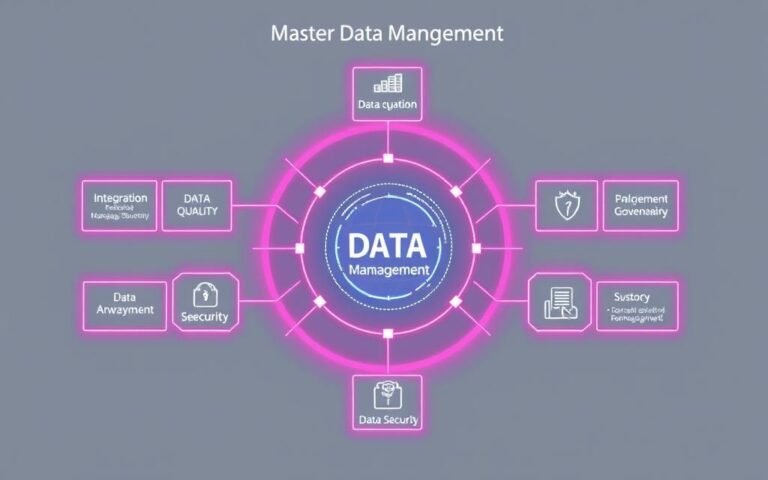
Master Data Management Best Practices: A Complete Guide

master data management best practices

Is your business struggling with messy, unreliable information? You’re not alone. Over 82% of companies waste hours fixing errors because their core details aren’t organized properly. That’s where master data management steps in—it turns chaos into clarity. This guide shows you how top-performing teams streamline their critical details. You’ll discover how automated systems cut errors … Read more

Business Intelligence vs Data Management: What’s the Difference?

business intelligence vs data management

Ever wondered why some companies make lightning-fast decisions while others drown in spreadsheets? The answer lies in understanding business intelligence and data management. Though they work together, their roles are as different as a coach and a team manager. Think of it this way: one organizes your information (data management), while the other turns it … Read more

The Importance of Data Stewardship: A Complete Guide

importance of data stewardship

Ever wondered how companies keep their information accurate and secure? Data stewardship plays a crucial role in ensuring high-quality, accessible, and compliant information across organizations. Without it, businesses risk poor decisions, compliance issues, and wasted resources. With AI and machine learning on the rise, clean and trustworthy information is more critical than ever. Stewardship bridges … Read more

Understanding the Role of a Database Administrator

role of database administrator

Data drives today’s economy, and behind every smooth-running system is a skilled database administrator. These professionals ensure your information stays secure, organized, and accessible—whether it’s financial records, customer details, or critical business insights. With a median salary between $99,890 and $117,450, this career offers stability and growth. The field is expanding fast, with a projected … Read more

How Database Indexing Works: The Ultimate Guide Explained

how database indexing works

Ever searched for a term in a 1,000-page book without an index? You’d flip through every page—slow and frustrating. Now imagine a database table with 100,000 users. Without an index, your query scans every row, taking 5-6 seconds. But with indexing, it’s like using that book’s index: instant results. Indexes transform searches from O(N) (linear … Read more

The Ultimate Guide to Citing Open Access Databases

citing open access databases

Did you know Google only shows 4% of the web’s content? The rest—including scholarly articles, journals, and research papers—is hidden behind paywalls or locked in specialized platforms. If you rely on basic searches, you’re missing out on credible sources. Databases like JSTOR, ProQuest, and PMC store peer-reviewed work you won’t find elsewhere. But how do … Read more

Your Ultimate Guide to Data Privacy Laws Affecting Databases

data privacy laws affecting databases

Does your business store customer details? If so, new regulations in 2024 could impact how you manage that information. From California’s CPRA to federal rules like HIPAA, keeping up feels overwhelming—but ignoring them risks hefty fines or even shutdowns. This year alone, 18 states enforce their own protection acts, with penalties reaching $7,500 per violation. … Read more

Cite Datasets in APA Style: Easy Step-by-Step Guide

citing datasets in APA style

Getting your references right can be tricky, especially when working with data sets. Whether you’re writing a journal article or a thesis, proper citations ensure your work stays credible. The APA style has specific rules to help you list sources correctly. Many researchers struggle with missing details like author names or version numbers. Others get … Read more

How to Navigate Ethical Considerations in Data Collection

ethical considerations in data collection

Ever wonder why some companies face massive fines or public backlash over how they handle personal details? It often comes down to privacy and ethics. Mishandling information can lead to scandals like Facebook’s Cambridge Analytica case, affecting millions. Today, 73% of consumers value their privacy more than personalized ads. Businesses must balance gathering insights with … Read more

SQL vs PL/SQL: The Ultimate Comparison Guide

SQL vs PL/SQL

Did you know that SQL has been viewed over 500,000 times? This staggering number shows just how essential it is in the world of database management. But what about PL/SQL? How does it fit into the picture? In this guide, we’ll dive into the key differences between SQL and PL/SQL. SQL is a non-procedural language … Read more

How to Implement ACID Properties: A Step-by-Step Guide

Implementing ACID properties

Have you ever wondered how your favorite apps ensure your data stays safe and consistent, even during a crash? The answer lies in a set of principles known as ACID properties. These are the backbone of reliable database systems, making sure every transaction is handled correctly. ACID stands for Atomicity, Consistency, Isolation, and Durability. These … Read more

Server-side vs Client-side Databases: Pros and Cons

Server-side vs client-side databases

Did you know that JavaScript accounts for 26% of page weight, often slowing down websites? This is just one example of how client-side operations can impact your experience. Whether you’re browsing a site or using a web app, understanding the difference between server-side and client-side processing is key. When you interact with a website, some … Read more
How to Create a Database Disaster Recovery Plan

Database disaster recovery planning

Did you know that over 25% of unplanned IT outages cost businesses more than $1 million? Unexpected events like server crashes or cyberattacks can cripple your operations. That’s why having a solid disaster recovery plan is non-negotiable. A disaster recovery plan is your safety net. It ensures your business can bounce back quickly from disruptions. … Read more

How to Boost SQL Performance Tuning: A Step-by-Step Guide

SQL performance tuning

Did you know that poorly optimized queries can consume up to 70% more resources than necessary? This inefficiency not only slows down your database but also increases operational costs. If you’re looking to improve your system’s efficiency, you’re in the right place. Optimizing your queries is essential for achieving faster response times and reducing server … Read more

How to Use Database Caching Mechanisms: A Guide

Database caching mechanisms

Did you know that caching can reduce application response times by up to 90%? This powerful technique helps you retrieve data faster, ensuring your users get the speed they expect. Whether you’re building a small app or scaling a massive platform, understanding how to implement caching can make a world of difference. At its core, … Read more

The Ultimate Guide to Event-Driven Database Architectures

Event-driven database architectures

What if your system could process data the moment it happens, instead of waiting for scheduled updates? This is the power of event-driven architecture, a game-changer in modern data integration. Traditional methods like poll-based ETLs often rely on full table scans, which can strain resources and slow down operations. In contrast, event-driven systems capture and … Read more

The Ultimate Guide to Federated Databases Architecture

Federated databases architecture

Have you ever wondered how modern organizations manage vast amounts of data without losing flexibility? The answer lies in a unique approach that connects multiple systems seamlessly. This article dives into the world of federated systems, showing you how they work and why they’re a game-changer. Unlike traditional methods, a federated system doesn’t merge all … Read more

Ultimate Guide to Data Anonymization Methods in Databases

Data anonymization methods in databases

Have you ever wondered how companies protect your sensitive information while still using it for analysis? It’s a delicate balance, and that’s where data anonymization comes into play. This process involves removing or encrypting personal details to ensure privacy. At the same time, it keeps the structure intact for meaningful insights. Think of it as … Read more

Top Database Auditing Tools 2025: Compared and Reviewed

Database auditing tools

Ever wondered how businesses protect their sensitive data from cyber threats? With 79% of companies facing attacks in 2025, ensuring your security and compliance has never been more critical. That’s where reliable solutions come into play. In this article, we’ll review the top options for 2025, focusing on their ability to maintain accurate records and … Read more

How to Use Data Masking Techniques in Databases Effectively

Data masking techniques in databases

Have you ever wondered how companies keep sensitive information secure while still using it for testing or development? The answer lies in a powerful method that creates a functional yet safe version of your data. This process ensures that your production environment remains protected while allowing non-secure operations to proceed without risk. By substituting real … Read more

How to Meet Database Compliance Standards in 2025

Database compliance standards

Are you confident your organization’s data is fully protected in today’s fast-changing digital landscape? With evolving regulations and increasing cyber threats, ensuring your systems meet database compliance standards is more critical than ever. In 2025, businesses face greater challenges due to rapid scaling and stricter rules. A single misstep can lead to costly fines or … Read more

The Ultimate Guide to Database Scalability Challenges

Database scalability challenges

Did you know that 90% of businesses face performance issues as their applications grow? This happens because their systems can’t handle the increasing load. Whether you’re running a small app or a large platform, scaling your system is no longer optional—it’s a necessity. Scaling ensures your application runs smoothly, even as more users join. There … Read more

How to Master Data Partitioning Techniques: A Step-by-Step Guide

Data partitioning techniques

Did you know that large datasets can slow down your system by up to 70% if not managed properly? This is where mastering the art of splitting your information into smaller, more manageable parts becomes essential. Whether you’re handling an e-commerce platform, a banking system, or a social media app, efficient management of your database … Read more

The Ultimate Guide to Server Clustering for Databases: Optimize Your DB

Server clustering for databases

Did you know that over 60% of businesses face downtime due to system failures? This can be a major setback, especially when your application relies heavily on data. That’s where database clustering comes into play. Database clustering is a method that combines multiple nodes into a single system. This setup ensures high availability and minimizes … Read more

The Ultimate Guide to Automated Schema Migration Tools

Automated schema migration tools

Did you know that over 60% of software development delays are caused by inefficient database changes? Managing your database structure is no longer just a technical task—it’s a critical part of modern development. This is where database schema migration comes into play. Database schema migration is the process of updating your database structure to match … Read more

10 Key Database Virtualization Benefits You Need to Know

Database virtualization benefits

Did you know that businesses can save up to 50% on hardware costs by consolidating multiple databases onto a single server? This is just one of the many advantages of modern data management techniques. In today’s fast-paced, data-driven world, efficiency and accessibility are more critical than ever. Database virtualization is a game-changer. It simplifies technical … Read more

How to Master Database Transaction Management Effortlessly

Database transaction management

Did you know that companies globally execute millions of operations every second? These actions, from online purchases to ATM withdrawals, rely on a seamless system to ensure data stays accurate and consistent. That’s where mastering database transaction management comes into play. In simple terms, a transaction is a set of operations that must either complete … Read more

A Step-by-Step Guide to Database Replication Methods

Database replication methods

Did you know that 82% of organizations face at least one unplanned outage every year? This staggering statistic highlights the critical need for reliable data solutions. That’s where data replication comes in—a process that ensures your information is always accessible, even during unexpected disruptions. Replicating your data isn’t just about avoiding downtime. It’s about improving … Read more

How to Master Multi-Cloud Database Strategies Effectively

Multi-Cloud database strategies

Did you know that 87% of IT professionals already have a multi-cloud strategy in place? This growing trend highlights how organizations are moving beyond single cloud solutions to optimize their operations. Managing data across multiple platforms isn’t just a trend—it’s a necessity in today’s fast-paced, tech-driven world. By leveraging multiple cloud providers, businesses can achieve … Read more

OLAP vs. OLTP Databases: Understanding the Differences

OLAP vs OLTP databases

When choosing a database, you might wonder about OLAP vs OLTP databases. These systems have different roles in data management. With data growing fast, knowing the difference is key. OLAP is for complex analysis, while OLTP handles daily transactions. Think about your data and goals. OLAP systems store big data for business insights. OLTP systems … Read more

Data Warehousing vs. Database Systems: Key Differences

Data warehousing vs database systems

When thinking about your data storage needs, you might ask what makes data warehousing different from database systems. Both are key for managing and analyzing data, but they have different roles. You can find out more about the difference between database systems and data to make smart choices for your storage solutions. For data storage, … Read more

High Availability Databases: Ensuring Uptime

High availability databases

Can you afford to lose $300,000 in just one hour? This is the average cost of downtime for companies. High availability databases are key in today’s digital world. They help avoid financial losses and damage to reputation. High availability databases are vital for businesses needing constant data access. The digital world’s growth makes high availability … Read more

Advanced Database Indexing Strategies

Database indexing strategies

Imagine making your database queries much faster and using less resources. Effective database indexing can make this happen. It helps your database run smoother and more efficiently. By using advanced indexing, you can make queries run better, need fewer scans, and use less disk space. When you look into database indexing, you’ll find many techniques. … Read more

Best Databases for Real-Time Analytics

Real-time analytics databases

What makes a database great for real-time data analytics? How do you pick the best one for your business? In today’s fast world, databases that handle real-time data are key. They give businesses quick insights to make smart decisions. These databases can process millions of events fast. They’re perfect for apps that need data updates … Read more

Database Normalization Methods Explained

Database normalization methods

Imagine making your database better by cutting down on data duplication and keeping data accurate. Database normalization is the secret to doing this. It’s a must for any database design. By using normalization methods, you make your data organized well, reducing dependencies and boosting efficiency. This leads to better data integrity and a more efficient … Read more

Automated Data Warehousing Solutions for Enterprises

Automated data warehousing solutions

Are you looking to boost your enterprise’s data management? You might be thinking: can automation really change the game in data warehousing, or is it just a fleeting trend? With more data than ever, old ways of managing data just don’t cut it anymore. That’s why data warehousing and automation are key for today’s businesses. … Read more

Effective SQL Injection Prevention Techniques

SQL injection prevention techniques

Can your database security withstand SQL injection attacks? These attacks are seen as ‘high impact severity’ by OWASP Top 10. In just three months, over 10 million attacks were blocked. It’s vital to understand the role of SQL injection prevention in keeping your web and database secure. SQL injection attacks are among the oldest and … Read more

Understanding Distributed Databases Architecture

Distributed databases architecture

Are you wondering if one database can keep up with your growing data needs? Or is it time to look into distributed databases for better performance in the cloud? Distributed databases spread data across many nodes or locations. They offer great benefits in scalability, availability, and performance. This is especially true in cloud computing, where … Read more

Columnar Databases: Advantages and Use Cases

Columnar databases advantages

Imagine being able to use your data to make quick, smart decisions. Columnar databases make this possible by storing data in columns, not rows. This setup boosts disk I/O performance, which is key for data analytics and warehousing. It leads to better storage and quicker query times. This makes columnar databases perfect for data warehousing. … Read more

Hybrid Database Architectures for Scalability

Hybrid database architectures scalability

When you think about hybrid database architectures, you’re looking for something that scales well and manages data efficiently. The hybrid cloud market is expected to hit $129.43 billion in 2023. This shows many companies are moving to hybrid data architectures for cost savings and better scalability. By choosing a hybrid approach, you make managing your … Read more

Automated Database Testing Tools

Automated database testing tools

Database testing is crucial, and you need the right tools to do it well. Automated testing tools make this process easier. They help you test your database quickly and find problems fast. These tools reduce the need for manual effort. This means you can test more efficiently. Using them can also make your database work … Read more

Database Containerization with Docker

Database containerization with Docker

Database containerization makes deploying and managing apps easier. Docker database containerization brings flexibility and simplicity. It lets you create environments that closely match production setups, without the usual hassle. Docker makes it simple to deploy, manage, and scale databases. You can do this in isolated containers with just a few commands. This is a big … Read more

NewSQL Databases: Features and Advantages

NewSQL databases advantages

NewSQL databases are great for today’s fast-paced business world. They offer the scalability of NoSQL systems for handling lots of transactions. At the same time, they keep the ACID guarantees of traditional databases. This makes them perfect for applications that need both high performance and scalability. NewSQL databases support SQL and can scale across many … Read more

Edge Computing and Database Management

Edge computing database management

The number of Internet of Things (IoT) devices is expected to almost double by 2030. This makes edge computing key in managing databases. It allows you to process data closer to the source, cutting down on latency and speeding up responses. With more IoT devices, managing data becomes a big challenge. Edge computing offers real-time … Read more
Data Lake vs. Database: Key Differences

Data lake vs database differences

When it comes to storing data, you have two main choices: data lakes and databases. Knowing the differences between them is key for managing data well. With over 120+ data sources to integrate, picking the right one can be tough. Choosing the right data management approach can unlock your data’s full potential. This can help … Read more

Optimizing Database Queries for Performance

Optimize database queries performance

Optimizing database queries is key to a better user experience. It makes your queries run faster, allowing for quicker data access. This is where database and SQL query optimization shine, boosting your website’s efficiency. Optimizing queries can cut down load times and boost user happiness. Since 92% of customers leave if results take too long, … Read more

Serverless Databases Compared to Traditional Databases

Serverless vs traditional databases

Looking for a database solution that’s flexible, scalable, and cost-effective? Cloud computing is your answer. Serverless databases have become popular for handling changing workloads and saving money. On the other hand, traditional databases come with fixed costs and require manual server management. As you consider your database management options, it’s key to know the differences. … Read more

Database Version Control Systems

Database version control systems

In the world of database management, you might face challenges like integrating databases into CI/CD pipelines. Over 50% of organizations struggle with this due to database complexity. Good database management and version control are key to handling changes and keeping data safe. With the right version control system, you can see database changes clearly. You … Read more

Multi-Tenant Database Design Principles

Multi-tenant database design

Designing a multi-tenant database is all about finding a balance. You need to ensure data isolation, security, and scalability. It’s also important to consider customization, cost, and complexity, especially in cloud computing. For more information, check out Understanding Multi-Tenant Database Architecture When designing a database, you have two main choices: single-tenant or multi-tenant. Single-tenant means … Read more

Blockchain Databases: Use Cases and Benefits

Blockchain databases use cases

Blockchain databases are changing how we store and manage data. They offer a secure, transparent, and efficient way to do business. By looking into blockchain databases, you can see how they can help your business. They make things more transparent and fair. They also save time and money. Using blockchain databases can make your operations … Read more

Using AI for Database Optimization

AI for database optimization

Are you looking to boost your database’s performance? AI for database optimization might be the answer. It uses machine learning and natural language processing to offer insights and suggestions. This can be a big help, especially with lots of data and complex queries. AI can make your database more efficient, scalable, and secure. It works … Read more

Database Backup Solutions for Small Businesses

Database backup solutions

As a small business owner, you know how vital database backup solutions are. They protect your important data. With risks like hardware failures, software issues, or cyber-attacks, a good backup is key to your business’s success. It helps keep your business running smoothly and cuts down on lost time. Small businesses, with fewer than 20 … Read more

In-Memory Databases for High-Speed Transactions

In-memory databases high-speed transactions

In-memory databases make transactions much faster. They store data in RAM, not on hard drives. This means data is accessed quicker, improving how fast and efficient your database is. These databases boost your work speed by handling transactions quickly. They’re great for fast data needs in telecom, finance, and location-based services. Here, quick data processing … Read more

Choosing Between SQL and NoSQL for Startups

SQL vs NoSQL for startups

When picking a database for your startup, you’re looking at SQL vs NoSQL. This is a big deal in database management and startup tech. SQL databases are traditional and reliable. NoSQL databases are flexible and non-relational. As you decide, think about data consistency, scalability, and performance. These are key in database management and startup tech. … Read more

Database Sharding Techniques Explained

Database sharding techniques

Database sharding is key for making your database faster and more scalable. It works by splitting data into smaller parts called shards. This way, your database can handle more work at the same time. This method makes your database run faster, store more data, and be more available. It’s perfect for big applications with lots … Read more

Time-Series Databases for IoT Data Management

Time-series databases for IoT

Managing IoT data can be a big challenge. You need a system that can handle lots of time-stamped data. Time-series databases are made for this, offering real-time insights and growing with your data. These databases are great at storing and analyzing IoT data. They improve performance and compress data efficiently. With more IoT devices, managing … Read more

Graph Databases vs. Relational Databases

Graph vs relational databases

Choosing a database for your project means comparing graph and relational databases. Each has its own benefits. Knowing these can guide your decision. You want a database that handles your data well, and both types have their strengths. This article will cover the main differences between graph and relational databases. We’ll look at their data … Read more

Cloud-Based Database Migration Strategies

Cloud database migration strategies

Cloud computing is changing how businesses work, especially when it comes to database migration. Airbnb is a great example. They needed to handle 50 GB of data every day. This shows how important scalability is for cloud databases. You might be thinking about moving to a cloud database. This could mean faster app development, better … Read more

NoSQL Databases for Real-Time Applications

NoSQL databases for real-time applications

In today’s fast world, you need to process data quickly to stay ahead. NoSQL databases are perfect for this. They handle big amounts of data and work fast, making them great for apps that need updates right away. NoSQL databases help you make fast, smart decisions. This lets your business grow and succeed in a … Read more

Ace Your Interview with Top Data Management Questions

data management interview questions

Data management roles need a mix of technical skills, detail focus, problem-solving, and good communication. If you’re getting ready for a data management interview, you know you must show you’re good with tools and methods for handling big data safely and well. Success in your interview is not just about your technical skills. Companies want … Read more

Master Solar Curtailment with SMA Data Management

solar curtailment sma data manage

Welcome to the future of solar energy efficiency. With SMA data management, mastering solar power curtailment is now easy. Sunny Portal, powered by ennexOS, supports over 900,000 systems worldwide. It monitors more than 40 GW of PV power across 200 countries. This platform offers real-time data and deep analysis of your PV system’s performance. It … Read more

Streamline Projects with Engineering Data Management

engineering data management

In the fast-paced world of engineering, it’s crucial to optimize your data workflow and project management. This is key to boosting productivity and driving innovation. Engineering data management is the core solution for achieving these goals. This system is designed to make your data workflows more efficient. It ensures your team works better and your … Read more

Understanding What Is Database Research

what is database research

Database research is key in our digital age. It’s about studying organized digital collections of info. This includes articles, books, and multimedia. It helps us find data quickly, which is vital in many areas like healthcare and tech. Starting with database research basics can feel daunting. But learning about database design and data retrieval boosts … Read more

Unveiling Database Engineering: A Quick Guide

what is database engineering

Welcome to the exciting world of database engineering! If you’re curious about how data is organized and used, you’re in the right spot. This guide introduces you to database engineering, highlighting its key role in today’s data-driven world. Database engineering is at the heart of data management technology. It supports many business operations. Industries like … Read more
Convert PostgreSQL to MySQL Database – Quick Guide

how to convert postgresql to mysql database

Thinking of moving a PostgreSQL database to MySQL? You’re in the right spot. This guide will cover the basics of switching databases. It will show you how to make the move from PostgreSQL to MySQL smoothly. MySQL is great for web sites and online stores because it’s good at handling lots of data. It’s also … Read more
Discover Periodical Databases: Your Research Ally

what is a periodical database

Periodical databases are key for students, researchers, and professionals. They offer the latest information in many fields. These databases help you succeed in your studies and research. Many students start their research with course materials. But, only a few find them good enough for deeper studies. This shows how important periodical databases are for expanding … Read more
Unlock Profits: Learn How to Sell Database Effectively

how to sell database

In today’s world, businesses can turn their data into money. Using data monetization strategies helps them stay competitive and make more money. Companies like Walmart and Reddit have seen big gains, with Walmart Luminate growing 80% each quarter and Reddit getting a $60 million deal with Google. With more businesses planning to use data, analytics, … Read more

Mastering MLA Database Citations Easily

how to cite a database mla

If you’re starting with academic writing, learning to make proper citations is key. This guide will teach you about MLA citation methods. It helps keep your work honest and boosts its credibility. The MLA citation guide has a clear structure with important details like the author’s name and publication date. Using the MLA referencing style … Read more

RWM Vocational Schools Database Guide

what is the rwm vocational schools database

The RWM Vocational Schools Database Guide is a detailed resource for those looking into trade and technical schools in the U.S. It helps you find career training programs and explore technical school listings. This guide makes it easier to find the right vocational education for your career goals. With the RWM Database, finding the right … Read more
Switch Your Database: Maria to MySQL Made Easy

can i change my database from maria to mysql

Switching databases can seem scary, but moving from MariaDB to MySQL is now simple. Both are top choices in the database world. MariaDB is loved by big names like Walmart and Alibaba. Meanwhile, MySQL is used by Uber and Airbnb, and is key to the LAMP stack. In this guide, we’ll show you how to … Read more
Unlock Acumatica Expression Editor: Database Language Revealed

what database language is used in acumatica expression editor

Welcome to the world of the Acumatica Expression Editor. It’s a key tool in business software that boosts your data management. Wondering why it’s so powerful? It’s because of the database language it uses. In this article, we’ll explore the Acumatica Expression Editor’s database language. This will help you understand its features, benefits, and uses … Read more
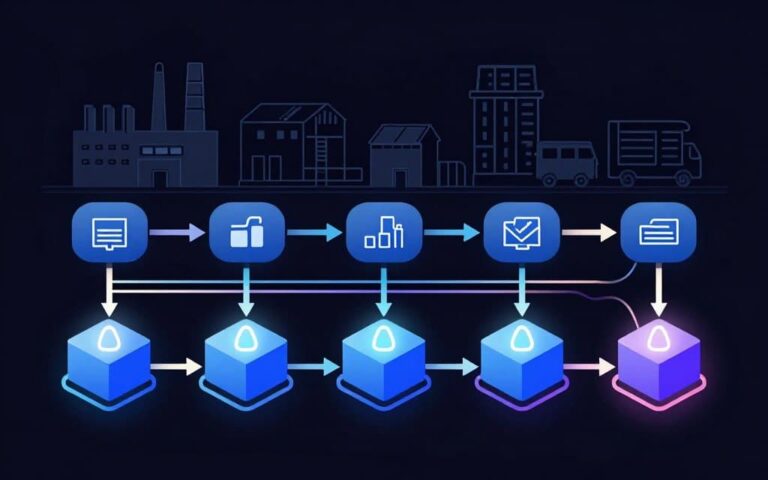
Explore Lifestyle Interests with ReferenceUSA Database

how does referenceusa database for lifestyle interest

Dive into the world of consumer insights with the ReferenceUSA database. This resource offers detailed demographic segmentation and consumer lifestyle profiling. It helps marketers, researchers, and entrepreneurs understand consumer behavior and preferences. This way, you can tailor your marketing strategies effectively. Imagine being able to segment your audience by age, income, and buying habits. The … Read more

Update Niagara Database: History Table Guide

how to update history table in niagara data database table

Updating the history table in the Niagara database is key for good Niagara database management. This guide will show you how to keep your Niagara station configuration smooth and efficient. We’ll cover the best ways to manage your database history records carefully. We’ll also talk about the need for regular backups. Plus, we’ll look at … Read more
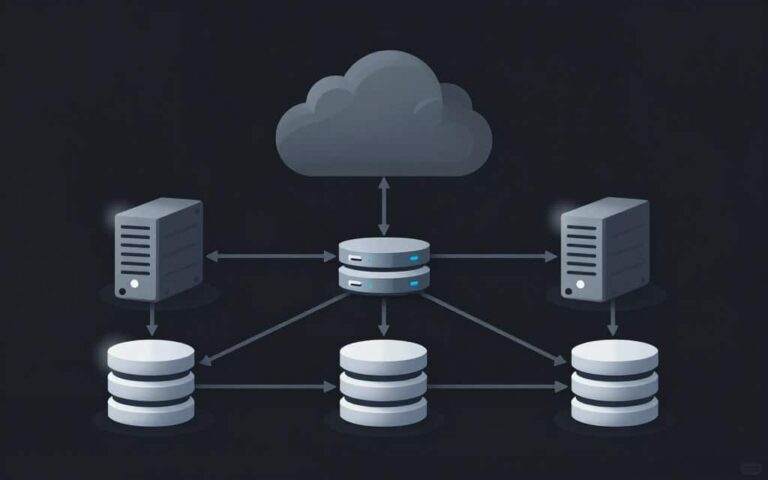
Integrate Your Database with AEP Seamlessly

best way to join database with aep

In today’s world, linking your database with Adobe Experience Platform (AEP) changes how you handle and use customer data. It gives marketers a single view of their data. This lets them connect with customers in a more personal way, across different platforms. Getting your data to work together smoothly is key. It lets you use … Read more
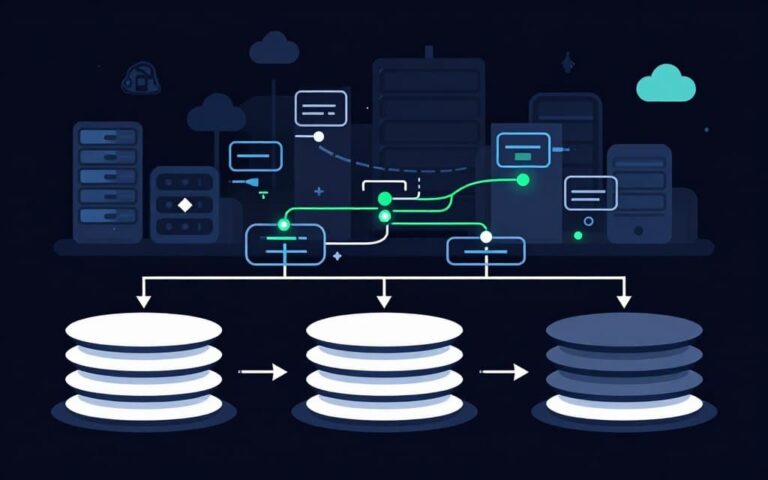
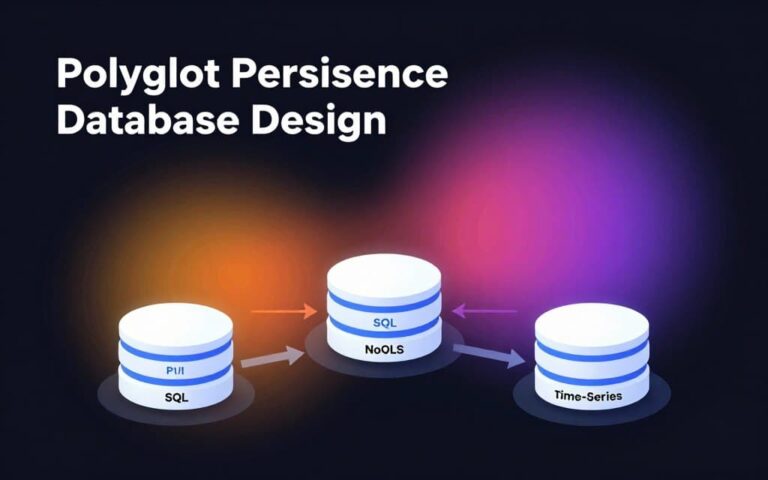
Open Access vs Traditional Publishing: Which to Choose
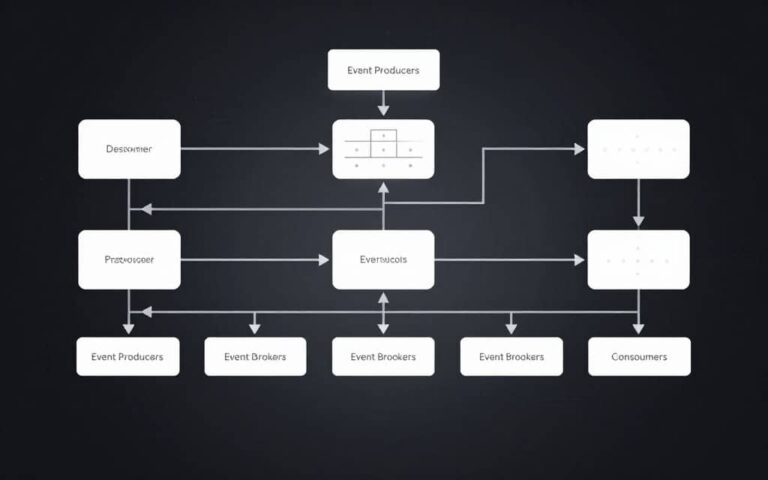
open access vs traditional publishing

Today, researchers have to pick between open access and traditional publishing. It’s important to know the differences to share your research well. Open access journals make it easier for more people to see your work online. Traditional publishing, however, uses subscriptions to access articles. Choosing a publishing model matters a lot. It can change how … Read more

Build a Website Database Effectively – Simple Guide

how to build database for website

Welcome to your ultimate guide on web database creation. A well-structured database is key for your website’s success. It’s important whether you’re starting out or improving your site. Knowing the basics of database design and data management can really boost your online presence. In this guide, we’ll cover the basics of building a website database. … Read more

Database vs. Spreadsheet: Key Differences

database vs spreadsheet

Understanding the difference between databases and spreadsheets is key. Both are important for managing data, but they serve different needs. They have unique strengths and uses. Databases handle big amounts of data well. They can do complex tasks, grow with your needs, and keep data safe. Spreadsheets, however, are easy to use. They’re great for … Read more

Common Database Errors & How to Fix Them

common database errors

Database problems can be frustrating, but knowing how to solve them is key. You’ll find many solutions that help fix errors and keep your database running smoothly. Learning about these common issues and their solutions can help you avoid downtime and keep your data flowing. This guide will cover some of the most common database … Read more

Basics of Database Security You Need to Know

database security basics

Database security might seem complex, but learning the basics can boost your data protection. Think about all your important data—like personal records and customer info—ending up in the wrong hands. That’s why solid cybersecurity is key. It helps prevent unauthorized access and data breaches. Knowing the basics is essential. Good database security starts with strict … Read more
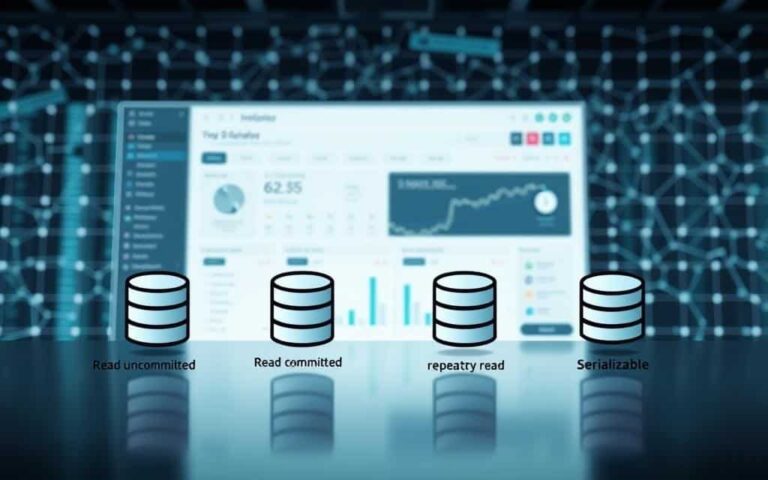
What is Scalability in Databases?

scalability in databases

Scalability in databases means a database can handle more work as it grows. It’s key for managing growth well. A scalable design lets your system grow without losing speed. Imagine a building’s foundation. A strong foundation lets the building grow taller and stay stable. This is what scalability does for databases. When you make your … Read more

Setting Access Levels in Library Databases

database access levels for libraries

Managing a library database means a lot of work on permissions and access levels. Good library database management keeps sensitive info safe. It also lets users get the resources they need without risking database security. Knowing how to manage user permissions is key. For example, OverDrive uses “Adult,” “Young Adult,” and “Juvenile” categories. This helps … Read more

How Do Databases Work? Explained Simply

how databases work

In today’s digital world, managing data is key for businesses and tech. But what are databases, and how do they work? Learning about databases can seem hard, but it’s not. We’ll make it simple, even if you’re not tech-savvy. A database is just a way to organize data. It helps you store, find, and manage … Read more

Top Features to Look for in a Database

key features of a database

When looking at database technology for your business, it’s crucial to check a few key features. These features can greatly change how you handle and manage data. Good database management is essential for any business to run smoothly. As you explore database design, focus on performance, security, user experience, and advanced features. These aspects can … Read more

Cataloging Standards Every Librarian Should Know

cataloging standards for libraries

Cataloging in libraries is key for organizing materials so patrons can find what they need easily. Librarians must know important library cataloging standards. These rules help keep collections consistent and easy to find. Knowing these standards helps manage collections well. It makes it easier for users to find what they need. This makes your job … Read more
A Beginner’s Guide to SQL Databases

introduction to SQL databases

Welcome to the world of structured query language! Ever wondered how businesses handle huge amounts of data? This SQL databases tutorial is your guide. It covers the basics of SQL and its key role in database management. SQL is the core of managing and manipulating data. It’s a skill that can lead to many career … Read more

Effective Backup Strategies for Library Databases

library database backup strategies

Libraries rely more on digital collections than ever before. This means they need strong backup plans to keep data safe and running smoothly. Good backup strategies help protect library data, keep databases safe, and ensure scholarly assets are always available. Ransomware attacks have almost doubled from 2022 to 2023. Libraries must now back up data … Read more

Choosing the Right Database Management Tool

choosing a database management tool

Choosing the right database management tool is key for your business. The database selection process affects your operations’ efficiency and growth. By picking the right tool, you ensure your business runs smoothly and grows well. Know what you need and look at different database software solutions. This is a big decision that needs careful thought … Read more

Essential Tips for Database Maintenance

database maintenance tips

Keeping your database in top shape is key to protecting your data and keeping things running smoothly. Good database management stops data loss and cuts down on downtime. This is crucial for keeping operations flowing without a hitch. Regular upkeep helps catch problems early, saving you from big expenses later. Techopedia says database maintenance is … Read more
Techniques to Optimize Your Database
database optimization techniques

In today’s world, making sure your database performance is top-notch is key. Whether you’re working with MySQL, PostgreSQL, or MongoDB, learning how to improve database efficiency is vital. It can greatly impact your database management plans. This section aims to show you important techniques for optimizing data retrieval and making data processing smoother. We’ll cover … Read more

Why Data Integrity Matters in Databases

importance of data integrity

In today’s world, database integrity is crucial. High data quality is key for businesses. They need accurate databases to make smart choices. This ensures that information is not only reliable but also consistent across various applications and platforms. Moreover, the ability to maintain scalability in database systems is essential as businesses grow and their data … Read more

Database Best Practices for Beginners

database best practices

Welcome to your guide on database best practices! If you’re new to database management or want to improve your skills, this is for you. Learning these basics is key. They help make your workflow smoother, keep your data safe, and boost your database’s performance. Learning these best practices will make you better at organizing and … Read more

Relational vs Non-Relational Databases

relational vs non-relational

In today’s fast-changing digital world, picking the right database is key. It affects how well and big your operations can grow. Whether you work with organized data or not, knowing the difference between relational and non-relational databases is vital. From Edgar F. Codd’s early work to today’s big data handling, the SQL vs NoSQL debate … Read more

Best Practices for Organizing Library Databases

organizing library databases

Managing library databases well is key to making information easy to find and use. Whether you’re a student, researcher, or librarian, using the best practices can make research easier and faster. It also helps in making learning more efficient. Library databases like Academic Search Premier, APA PsycInfo, Google Scholar, JSTOR, and PubMed are full of … Read more

Types of Databases & Their Uses

types of databases

Choosing the right database is key to efficient and scalable data storage solutions. You have traditional SQL databases like MySQL and PostgreSQL. Then there are dynamic, distributed NoSQL databases such as MongoDB and Cassandra. Cloud computing has brought cloud-based databases like Amazon RDS and Google Cloud SQL. These offer flexibility and cost savings. They appeal … Read more

What is The Global Reference Database

what is the global reference database

The Global Reference Database is a big and advanced electronic warehouse for plagiarism detection. It holds a wide range of intellectual works. This includes academic papers, journal articles, and other scholarly texts. Advanced algorithms help the anti-plagiarism software in this database protect your work’s integrity. Authors, teachers, and schools all over the U.S. depend on … Read more

Benefits of a Centralized Library Database System

centralized library database benefits

Did you know that libraries with a centralized library database system see a 40% boost in patron engagement? In today’s digital world, a Library Management System (LMS) is more than a tool. It’s a key to better efficiency, user happiness, and lasting success. Are you struggling with old tech, a growing number of patrons, or … Read more

Introduction to Databases Explained

introduction to databases

In today’s world, databases are key for managing data well. They are found in many parts of our lives, like social media and banking systems. Knowing the database fundamentals helps us see how data is organized and accessed. If you run a small business, are into tech, or just want to know how data systems … Read more