Automating Database Schema Changes

automating database schema changes

Is your next feature deployment at risk because your data structure isn’t ready? Manual updates to your system are a leading cause of disruption. As Neel Vithlani highlighted in March 2025, integrating these tasks into a CI/CD pipeline is no longer optional—it’s critical. You must maintain perfect sync between your application code and your database … Read more
Event-Driven Database Schema Design

event-driven database schema design

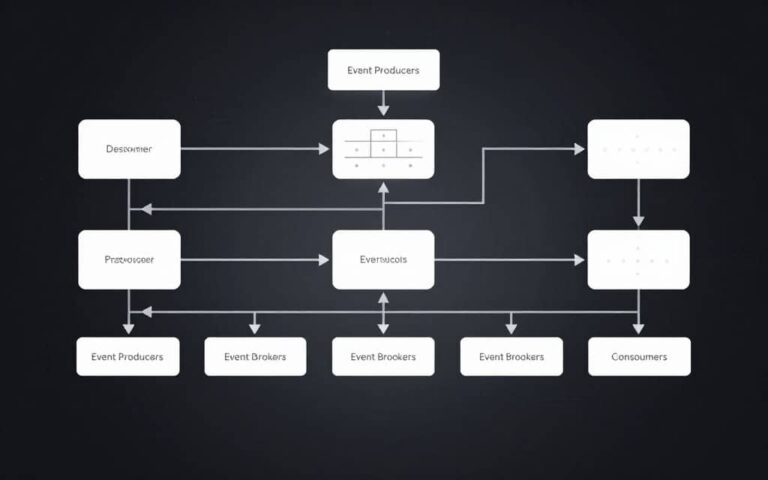
Are your applications struggling with stale information because your data can’t keep up? Traditional poll-based methods constantly ask your systems for updates, creating lag and unnecessary strain. This approach delivers outdated results and hurts performance. It’s a frustrating cycle that costs you real opportunities. There’s a better way. Imagine a system where every data change … Read more

Fact Tables vs Dimension Tables Explained

fact tables vs dimension tables

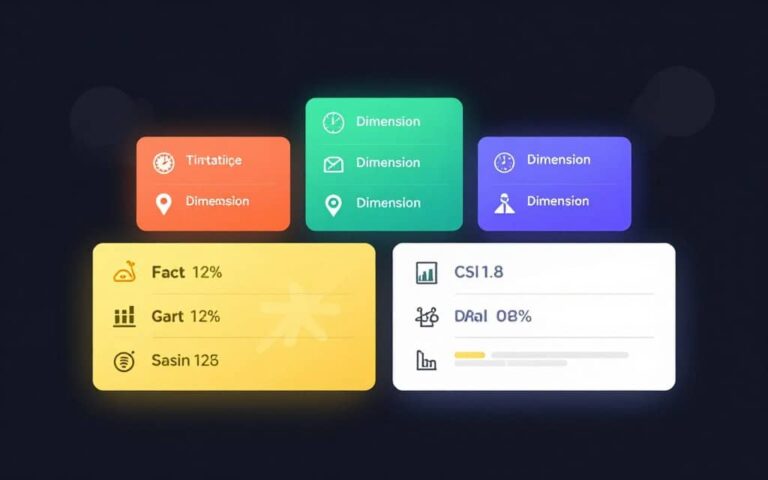
You’re staring at a mountain of raw numbers—sales logs, web traffic, inventory counts—but the real story remains hidden. That critical gap between having information and gaining insight is where your data warehouse earns its keep. The solution isn’t more data; it’s smarter structure. This is where two essential components come into play. One captures the … Read more

Best Practices for Data Warehouse Schema Design

best practices for data warehouse schema design

Your company’s tools—CRM, analytics, product logs—generate a flood of information. Centralizing it is a start, but unlocking its true power hinges on getting the architecture right. A poorly planned structure turns your central repository into a sluggish data swamp. Teams lose faith in the numbers, and every new data source becomes a firefight. We’ll guide … Read more

Benefits of Object-Oriented Databases Explained

benefits of object-oriented databases

Can one change in your data model make apps simpler and faster? That question matters when you balance modern applications with existing systems. Object-oriented databases store information as self-contained objects that bundle attributes and methods. Each object has a unique identifier, so retrieval matches how developers work in code. This approach can speed complex queries … Read more

Columnar Databases: Advantages and Use Cases

Columnar databases advantages

Imagine being able to use your data to make quick, smart decisions. Columnar databases make this possible by storing data in columns, not rows. This setup boosts disk I/O performance, which is key for data analytics and warehousing. It leads to better storage and quicker query times. This makes columnar databases perfect for data warehousing. … Read more

Database Best Practices for Beginners

database best practices

Welcome to your guide on database best practices! If you’re new to database management or want to improve your skills, this is for you. Learning these basics is key. They help make your workflow smoother, keep your data safe, and boost your database’s performance. Learning these best practices will make you better at organizing and … Read more

Relational vs Non-Relational Databases

relational vs non-relational

In today’s fast-changing digital world, picking the right database is key. It affects how well and big your operations can grow. Whether you work with organized data or not, knowing the difference between relational and non-relational databases is vital. From Edgar F. Codd’s early work to today’s big data handling, the SQL vs NoSQL debate … Read more