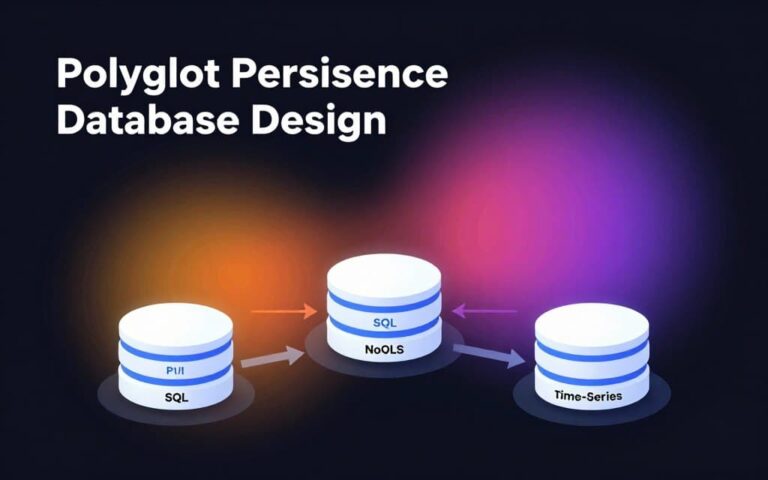
Polyglot Persistence Database Design

polyglot persistence database design

Your relational database is struggling to keep up, isn’t it? You’re trying to force every piece of data into a single model, and it’s creating bottlenecks that slow your entire system down. This is where the concept of polyglot persistence changes the game. As Martin Fowler pointed out, you shouldn’t assume a relational approach is … Read more
Event-Driven Database Schema Design

event-driven database schema design

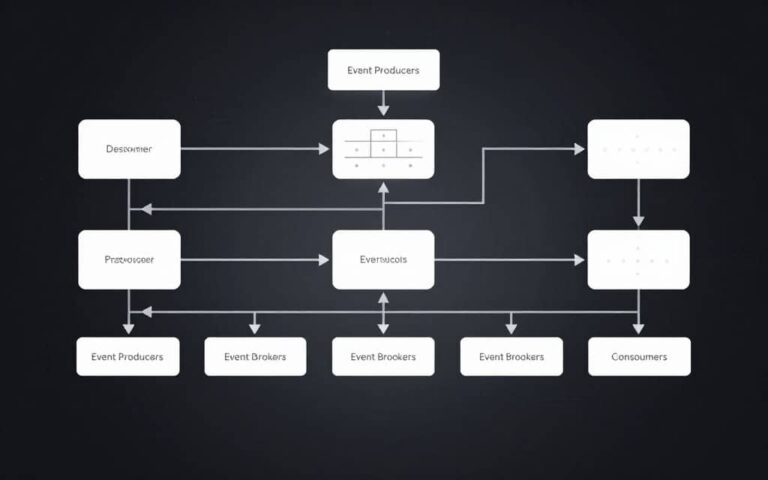
Are your applications struggling with stale information because your data can’t keep up? Traditional poll-based methods constantly ask your systems for updates, creating lag and unnecessary strain. This approach delivers outdated results and hurts performance. It’s a frustrating cycle that costs you real opportunities. There’s a better way. Imagine a system where every data change … Read more

Indexing Strategies for NoSQL Databases

indexing strategies for NoSQL databases

indexing strategies for NoSQL databases can make queries feel like a breeze instead of a slog. You touch the system and expect instant answers. You want query performance that hums, not stalls. The right index maps how your data moves. Think of MemTables as a staging room and SSTables as locked shelves; Bloom filters point … Read more

Serverless Databases Compared to Traditional Databases

Serverless vs traditional databases

Looking for a database solution that’s flexible, scalable, and cost-effective? Cloud computing is your answer. Serverless databases have become popular for handling changing workloads and saving money. On the other hand, traditional databases come with fixed costs and require manual server management. As you consider your database management options, it’s key to know the differences. … Read more

Choosing Between SQL and NoSQL for Startups

SQL vs NoSQL for startups

When picking a database for your startup, you’re looking at SQL vs NoSQL. This is a big deal in database management and startup tech. SQL databases are traditional and reliable. NoSQL databases are flexible and non-relational. As you decide, think about data consistency, scalability, and performance. These are key in database management and startup tech. … Read more

Graph Databases vs. Relational Databases

Graph vs relational databases

Choosing a database for your project means comparing graph and relational databases. Each has its own benefits. Knowing these can guide your decision. You want a database that handles your data well, and both types have their strengths. This article will cover the main differences between graph and relational databases. We’ll look at their data … Read more

NoSQL Databases for Real-Time Applications

NoSQL databases for real-time applications

In today’s fast world, you need to process data quickly to stay ahead. NoSQL databases are perfect for this. They handle big amounts of data and work fast, making them great for apps that need updates right away. NoSQL databases help you make fast, smart decisions. This lets your business grow and succeed in a … Read more

Types of Databases & Their Uses

types of databases

Choosing the right database is key to efficient and scalable data storage solutions. You have traditional SQL databases like MySQL and PostgreSQL. Then there are dynamic, distributed NoSQL databases such as MongoDB and Cassandra. Cloud computing has brought cloud-based databases like Amazon RDS and Google Cloud SQL. These offer flexibility and cost savings. They appeal … Read more