Integrating Databases with CRM Platforms
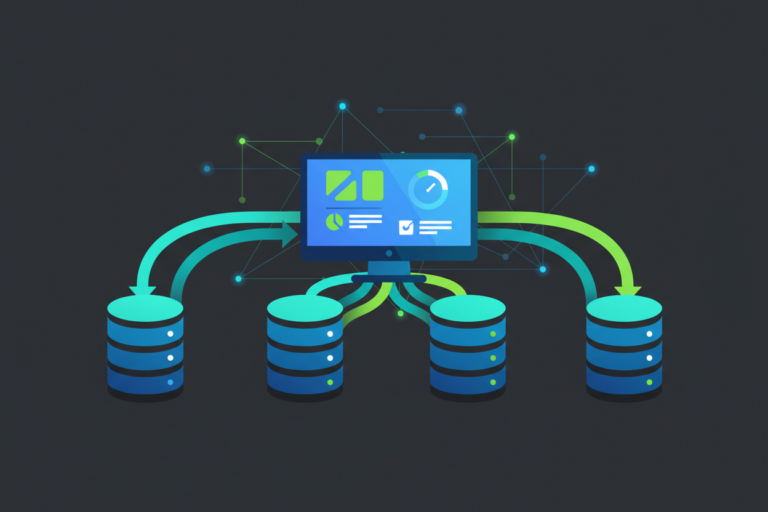
integrating databases with CRM platforms

Is your critical customer information slipping through the cracks? You’re not alone. The average organization now uses over 900 different applications to manage daily operations. This sprawl creates a massive problem. A staggering 81% of IT leaders report that data silos are actively blocking their digital transformation. When your systems don’t talk to each other, … Read more
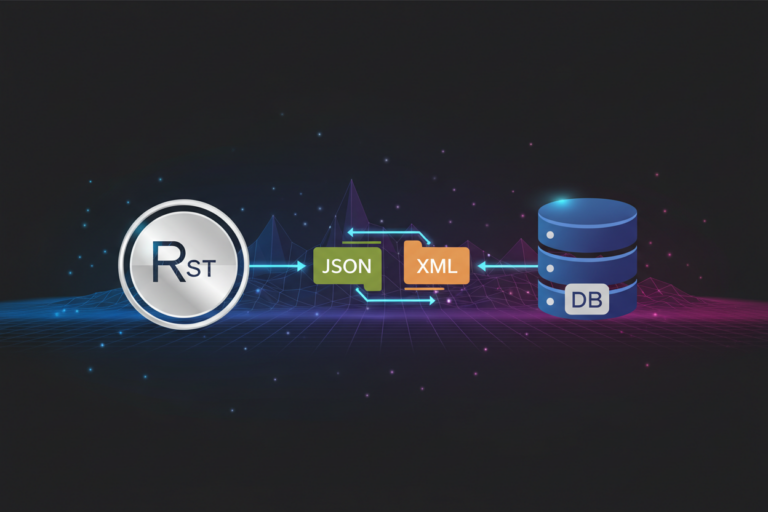
How to Integrate Databases with REST APIs

REST API integration with databases

Remember 2005? Back then, developers had only 105 open APIs to work with globally. Fast forward to this year, and the landscape is unrecognizable. Today, the industry manages over 15,000 APIs—with about 40 new ones appearing every single week. That’s a tidal wave of connectivity. If your internal systems can’t talk to these modern services, … Read more

Multi-Factor Authentication for Databases

multi-factor authentication for databases

Did you know over 80% of hacking-related breaches leverage stolen or weak passwords? If your system relies solely on a single password, you’re essentially leaving the front door unlocked. That single point of failure is a massive risk. Modern threats demand stronger gates. You need a system that adds essential layers of defense to truly … Read more

Integrating Databases with Blockchain: A Comprehensive Guide

integrating databases with blockchain

Did you know that 95% of businesses struggle with data silos and trust issues when sharing information? This isn’t just an IT problem—it’s a multi-million dollar risk to your operations. You’re facing a critical decision. How do you maintain rock-solid data integrity across partners and keep your entire system secure? Traditional databases are fast, but … Read more

5G Impact on Database Performance: Expert Guidance

5G impact on database performance

Imagine a single city block where a million connected devices are constantly talking. That’s the sheer scale of data the new wireless standard enables. Your current systems weren’t built for this. Speeds are up to 100 times faster, with latency slashed by 40 times. This isn’t just an upgrade—it’s a tidal wave of real-time information. … Read more
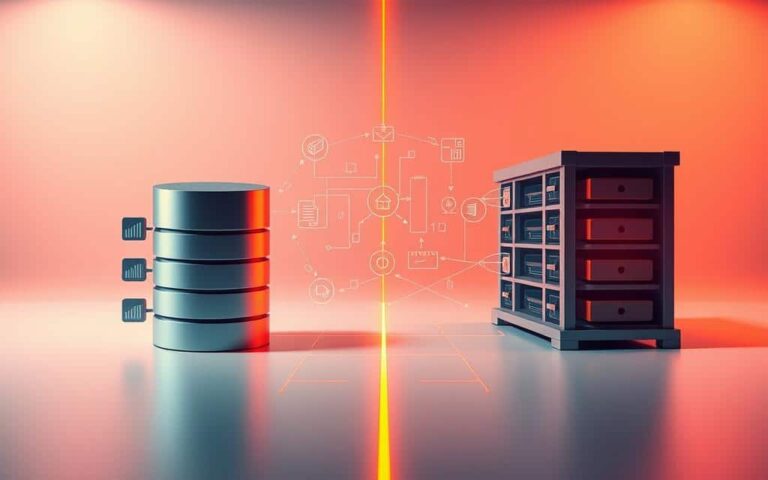
Schema Evolution in Production Databases

schema evolution in production databases

Think of your data’s blueprint as a living contract, not a static document. It’s constantly changing—new fields appear, old ones get retired, and data types shift without warning. This relentless evolution is the reality for any modern system handling real-time information. When that contract breaks in your live production environment, the consequences are immediate. Pipelines … Read more

Fact Tables vs Dimension Tables Explained

fact tables vs dimension tables

You’re staring at a mountain of raw numbers—sales logs, web traffic, inventory counts—but the real story remains hidden. That critical gap between having information and gaining insight is where your data warehouse earns its keep. The solution isn’t more data; it’s smarter structure. This is where two essential components come into play. One captures the … Read more

Indexing Strategies for NoSQL Databases

indexing strategies for NoSQL databases

indexing strategies for NoSQL databases can make queries feel like a breeze instead of a slog. You touch the system and expect instant answers. You want query performance that hums, not stalls. The right index maps how your data moves. Think of MemTables as a staging room and SSTables as locked shelves; Bloom filters point … Read more

Optimizing Stored Procedures in SQL

optimizing stored procedures in SQL

Want speed, safety, and predictable results from your database? This hook hits the pain: slow queries and shaky plans cost time and trust. You’ll see how SQL Server caches plans to cut compile time and how a procedure shapes execution paths. Use DMVs to read cpu_time, total_elapsed_time, and last_elapsed_time so you know where a query … Read more

Database Data Sharing Agreements

database data sharing agreements

What if you could unlock insights without eroding trust? Could a clear pact over how you handle sensitive information calm stakeholders and speed research? You define the purpose, the parties, and the rules — then you enforce them with auditable controls. That clarity boosts security and compliance, and it reduces risk during transfers and access. … Read more
GDPR Compliance for Database Owners

GDPR compliance for database owners

You hold the keys to personal data, and regulators expect clear control and proof of action. Start by mapping what you store, where it lives, and who touches it. Use geo-partitioning like CockroachDB to keep EU copies in-region and cut transfer risk. Build privacy by design: encrypt in motion and at rest, enable RBAC, and … Read more

How to License Your Own Database

how to license your own database

How to license your own database is a practical question that turns raw data into predictable revenue and controlled risk. Want clarity on permitted uses, delivery, and security? Start by naming the dataset and mapping rights. Define permitted uses, barred acts, and derivative treatment in plain terms. Set delivery and control: S3 buckets, APIs, secure … Read more

Data Lifecycle Management in Databases

data lifecycle management in databases

Did you know that a single untagged record can cost a company thousands in fines and wasted hours? What can you do now to avoid that risk? Start with clear rules that govern each stage from creation to secure removal. You will learn practical steps to keep the right information available to the right users. … Read more


Database Triggers Explained with Examples

database triggers explained with examples

Have you ever wondered if a small piece of code can enforce rules and automate tasks right where your data lives? At its core, a trigger is a stored routine that runs in direct response to changes on a table—INSERT, UPDATE, DELETE, or TRUNCATE. You use it to enforce rules, keep audit logs, or update … Read more

Database Normalization vs Denormalization Explained

database normalization vs denormalization

Which approach will make your data faster and more reliable — and why does it matter to you right now? You need a clear, plain-English guide that cuts through theory. This intro shows the basic trade-offs so you can decide quickly. Normalization organizes data into related tables to cut duplicates and protect data integrity. That … Read more

OLTP vs OLAP: Key Differences Explained

difference between OLTP and OLAP

Which system runs your checkout in milliseconds while another mines months of history for business insight? You use one system to record every online transaction and keep accounts accurate in real time. You use the other to analyze aggregated data and find trends that guide strategy. Quick takeaway: one focuses on fast, write-first processing with … Read more

Database Concurrency Control Methods Explained

database concurrency control methods

Have you ever wondered how many users can safely update the same data at once without breaking anything? This guide shows how modern systems let many operations run at the same time while keeping your data correct. You’ll get clear definitions of a transaction, isolation, and serializability so you can judge safety versus performance. Transactions … Read more

Types of Database Users and Their Roles

types of database users and roles

Have you ever wondered who really keeps a database running when crisis hits? Knowing who interacts with data helps you design better access, limit risk, and speed recovery. This piece maps the main groups that touch a database and what they do each day. Some people write code, others tune the system, and many simply … Read more

Network Database Model: Key Use Cases

network database model use cases

Can a structure built around connections change how your team handles complex data? This introduction answers that question and points you to practical decisions. The network approach treats entities as nodes and links as edges—think of people, devices, or records tied by clear relationships. It borrows from graph theory and favors queries that follow connections … Read more

Benefits of Object-Oriented Databases Explained

benefits of object-oriented databases

Can one change in your data model make apps simpler and faster? That question matters when you balance modern applications with existing systems. Object-oriented databases store information as self-contained objects that bundle attributes and methods. Each object has a unique identifier, so retrieval matches how developers work in code. This approach can speed complex queries … Read more

Vertical vs Horizontal Scaling in Databases Explained

vertical vs horizontal scaling in databases

Ever outgrown your gym clothes? Just like adjusting your wardrobe, databases need to grow too. Vertical vs horizontal scaling in databases determines how your system handles increased demand. One approach upgrades existing hardware, while the other adds more machines. Think of vertical scaling as altering your favorite shirt for a better fit. Horizontal scaling? Buying … Read more

Role-Based Access Control in Databases: Ultimate Guide for You

role-based access control in databases

Ever wondered how big companies keep their sensitive data safe? Role-based access control (RBAC) is the secret weapon. It ensures only the right people can access critical information, reducing risks like data breaches. With RBAC, permissions are tied to job roles—not individual users. This means less hassle managing who sees what. Whether you’re in healthcare, … Read more

The Ultimate Guide to Vector Databases in Machine Learning

vector databases in machine learning

AI is transforming how businesses handle information, but traditional systems struggle to keep up. Unstructured data grows 30-60% yearly, and Gartner predicts 30% of enterprises will adopt advanced solutions by 2026. This surge demands smarter ways to organize and retrieve insights. Enter vector databases—the backbone of modern AI applications. They power everything from Home Depot’s … Read more

Unlock Database-as-a-Service Benefits: Your Ultimate Guide

database-as-a-service benefits

Managing databases can be a headache. Between high infrastructure costs, endless maintenance, and sudden traffic spikes, traditional setups often fall short. That’s where database-as-a-service (DBaaS) comes in—a game-changer for modern businesses. With the cloud database market set to hit $320 billion by 2025, it’s clear companies are embracing smarter solutions. Over 83% of enterprises now … Read more

Top Mobile-Friendly Database Solutions: A Comprehensive Roundup

mobile-friendly database solutions

Mobile apps are booming, and so is the need for data storage that keeps up. With 77% of developers prioritizing specialized tools, traditional database systems often fall short. The global app market is projected to hit $935 billion by 2023—making the right choice critical. Let’s cut through the noise. We’ve rounded up the top 7 … Read more

Your Guide to Database Use in Academic Research

database use in academic research

Ever wondered why professors push you toward specialized tools instead of Google? While search engines give quick answers, academic databases deliver reliable, peer-reviewed content. They’re built for serious work, not just casual browsing. Yes, there’s a learning curve. But once you master them, finding credible sources becomes faster and easier. Tools like Academic Search Complete … Read more

Types of Data in Databases: A Step-by-Step Tutorial

types of data in databases

Ever struggled with a slow app or messy records? The culprit might be data types in your database. Just like labeling jars in a pantry, SQL uses categories like integers, text, and dates to keep information organized. Choosing the right format—like VARCHAR for names or INT for numbers—boosts performance and avoids errors. This guide breaks … Read more

Understanding the Core Components of a Database for Your Needs

components of a database

Ever wondered how businesses keep track of millions of transactions, or how social media platforms instantly retrieve your posts? The answer lies in databases—the digital filing systems that organize and manage data efficiently. Think of them as supercharged spreadsheets, where every piece of information connects seamlessly. From online banking to healthcare records, databases power modern … Read more

Centralized vs Decentralized Databases: What’s the Difference?

centralized vs decentralized databases

Data drives modern businesses. With 90% of the world’s data created in just the last two years (Forbes), how you store and manage it impacts everything from security to costs. Choosing the right approach can make or break your operations. Many organizations struggle with silos, compliance, and scalability. That’s why 60% of enterprises now use … Read more

How to Build a Multi-Tier Database Architecture Guide

multi-tier database architecture

Remember when a single toy robot could do everything on its own? Those days are gone. Just like modern smart devices need separate controls, apps, and cloud storage, your applications now require a smarter setup. Old-school systems couldn’t handle today’s demands. Think of Black Friday crashes—when one overloaded server takes down everything. That’s why 70% … Read more

Database vs Data Warehouse: What’s the Difference? For You

database vs data warehouse

Ever wondered why some systems handle transactions while others analyze trends? The answer lies in understanding the difference between a database and a data warehouse. While both store information, they serve unique purposes in your business. Most apps rely on databases—97% of them, in fact. They’re built for quick, real-time operations like processing orders. On … Read more

Understanding the Role of a Database Administrator

role of database administrator

Data drives today’s economy, and behind every smooth-running system is a skilled database administrator. These professionals ensure your information stays secure, organized, and accessible—whether it’s financial records, customer details, or critical business insights. With a median salary between $99,890 and $117,450, this career offers stability and growth. The field is expanding fast, with a projected … Read more

Server-side vs Client-side Databases: Pros and Cons

Server-side vs client-side databases

Did you know that JavaScript accounts for 26% of page weight, often slowing down websites? This is just one example of how client-side operations can impact your experience. Whether you’re browsing a site or using a web app, understanding the difference between server-side and client-side processing is key. When you interact with a website, some … Read more

How to Create a Database Disaster Recovery Plan

Database disaster recovery planning

Did you know that over 25% of unplanned IT outages cost businesses more than $1 million? Unexpected events like server crashes or cyberattacks can cripple your operations. That’s why having a solid disaster recovery plan is non-negotiable. A disaster recovery plan is your safety net. It ensures your business can bounce back quickly from disruptions. … Read more

How to Use Data Masking Techniques in Databases Effectively

Data masking techniques in databases

Have you ever wondered how companies keep sensitive information secure while still using it for testing or development? The answer lies in a powerful method that creates a functional yet safe version of your data. This process ensures that your production environment remains protected while allowing non-secure operations to proceed without risk. By substituting real … Read more

How to Meet Database Compliance Standards in 2025

Database compliance standards

Are you confident your organization’s data is fully protected in today’s fast-changing digital landscape? With evolving regulations and increasing cyber threats, ensuring your systems meet database compliance standards is more critical than ever. In 2025, businesses face greater challenges due to rapid scaling and stricter rules. A single misstep can lead to costly fines or … Read more

10 Key Database Virtualization Benefits You Need to Know

Database virtualization benefits

Did you know that businesses can save up to 50% on hardware costs by consolidating multiple databases onto a single server? This is just one of the many advantages of modern data management techniques. In today’s fast-paced, data-driven world, efficiency and accessibility are more critical than ever. Database virtualization is a game-changer. It simplifies technical … Read more

OLAP vs. OLTP Databases: Understanding the Differences

OLAP vs OLTP databases

When choosing a database, you might wonder about OLAP vs OLTP databases. These systems have different roles in data management. With data growing fast, knowing the difference is key. OLAP is for complex analysis, while OLTP handles daily transactions. Think about your data and goals. OLAP systems store big data for business insights. OLTP systems … Read more

High Availability Databases: Ensuring Uptime

High availability databases

Can you afford to lose $300,000 in just one hour? This is the average cost of downtime for companies. High availability databases are key in today’s digital world. They help avoid financial losses and damage to reputation. High availability databases are vital for businesses needing constant data access. The digital world’s growth makes high availability … Read more

Best Databases for Real-Time Analytics

Real-time analytics databases

What makes a database great for real-time data analytics? How do you pick the best one for your business? In today’s fast world, databases that handle real-time data are key. They give businesses quick insights to make smart decisions. These databases can process millions of events fast. They’re perfect for apps that need data updates … Read more

Columnar Databases: Advantages and Use Cases

Columnar databases advantages

Imagine being able to use your data to make quick, smart decisions. Columnar databases make this possible by storing data in columns, not rows. This setup boosts disk I/O performance, which is key for data analytics and warehousing. It leads to better storage and quicker query times. This makes columnar databases perfect for data warehousing. … Read more

Edge Computing and Database Management

Edge computing database management

The number of Internet of Things (IoT) devices is expected to almost double by 2030. This makes edge computing key in managing databases. It allows you to process data closer to the source, cutting down on latency and speeding up responses. With more IoT devices, managing data becomes a big challenge. Edge computing offers real-time … Read more

Optimizing Database Queries for Performance

Optimize database queries performance

Optimizing database queries is key to a better user experience. It makes your queries run faster, allowing for quicker data access. This is where database and SQL query optimization shine, boosting your website’s efficiency. Optimizing queries can cut down load times and boost user happiness. Since 92% of customers leave if results take too long, … Read more

Serverless Databases Compared to Traditional Databases

Serverless vs traditional databases

Looking for a database solution that’s flexible, scalable, and cost-effective? Cloud computing is your answer. Serverless databases have become popular for handling changing workloads and saving money. On the other hand, traditional databases come with fixed costs and require manual server management. As you consider your database management options, it’s key to know the differences. … Read more

In-Memory Databases for High-Speed Transactions

In-memory databases high-speed transactions

In-memory databases make transactions much faster. They store data in RAM, not on hard drives. This means data is accessed quicker, improving how fast and efficient your database is. These databases boost your work speed by handling transactions quickly. They’re great for fast data needs in telecom, finance, and location-based services. Here, quick data processing … Read more

Choosing Between SQL and NoSQL for Startups

SQL vs NoSQL for startups

When picking a database for your startup, you’re looking at SQL vs NoSQL. This is a big deal in database management and startup tech. SQL databases are traditional and reliable. NoSQL databases are flexible and non-relational. As you decide, think about data consistency, scalability, and performance. These are key in database management and startup tech. … Read more

Graph Databases vs. Relational Databases

Graph vs relational databases

Choosing a database for your project means comparing graph and relational databases. Each has its own benefits. Knowing these can guide your decision. You want a database that handles your data well, and both types have their strengths. This article will cover the main differences between graph and relational databases. We’ll look at their data … Read more

Switch Your Database: Maria to MySQL Made Easy

can i change my database from maria to mysql

Switching databases can seem scary, but moving from MariaDB to MySQL is now simple. Both are top choices in the database world. MariaDB is loved by big names like Walmart and Alibaba. Meanwhile, MySQL is used by Uber and Airbnb, and is key to the LAMP stack. In this guide, we’ll show you how to … Read more

Database vs. Spreadsheet: Key Differences

database vs spreadsheet

Understanding the difference between databases and spreadsheets is key. Both are important for managing data, but they serve different needs. They have unique strengths and uses. Databases handle big amounts of data well. They can do complex tasks, grow with your needs, and keep data safe. Spreadsheets, however, are easy to use. They’re great for … Read more

How Do Databases Work? Explained Simply

how databases work

In today’s digital world, managing data is key for businesses and tech. But what are databases, and how do they work? Learning about databases can seem hard, but it’s not. We’ll make it simple, even if you’re not tech-savvy. A database is just a way to organize data. It helps you store, find, and manage … Read more

Top Features to Look for in a Database

key features of a database

When looking at database technology for your business, it’s crucial to check a few key features. These features can greatly change how you handle and manage data. Good database management is essential for any business to run smoothly. As you explore database design, focus on performance, security, user experience, and advanced features. These aspects can … Read more

A Beginner’s Guide to SQL Databases

introduction to SQL databases

Welcome to the world of structured query language! Ever wondered how businesses handle huge amounts of data? This SQL databases tutorial is your guide. It covers the basics of SQL and its key role in database management. SQL is the core of managing and manipulating data. It’s a skill that can lead to many career … Read more

Why Data Integrity Matters in Databases

importance of data integrity

In today’s world, database integrity is crucial. High data quality is key for businesses. They need accurate databases to make smart choices. This ensures that information is not only reliable but also consistent across various applications and platforms. Moreover, the ability to maintain scalability in database systems is essential as businesses grow and their data … Read more

Database Best Practices for Beginners

database best practices

Welcome to your guide on database best practices! If you’re new to database management or want to improve your skills, this is for you. Learning these basics is key. They help make your workflow smoother, keep your data safe, and boost your database’s performance. Learning these best practices will make you better at organizing and … Read more

Relational vs Non-Relational Databases

relational vs non-relational

In today’s fast-changing digital world, picking the right database is key. It affects how well and big your operations can grow. Whether you work with organized data or not, knowing the difference between relational and non-relational databases is vital. From Edgar F. Codd’s early work to today’s big data handling, the SQL vs NoSQL debate … Read more

What is The Global Reference Database

what is the global reference database

The Global Reference Database is a big and advanced electronic warehouse for plagiarism detection. It holds a wide range of intellectual works. This includes academic papers, journal articles, and other scholarly texts. Advanced algorithms help the anti-plagiarism software in this database protect your work’s integrity. Authors, teachers, and schools all over the U.S. depend on … Read more

Introduction to Databases Explained

introduction to databases

In today’s world, databases are key for managing data well. They are found in many parts of our lives, like social media and banking systems. Knowing the database fundamentals helps us see how data is organized and accessed. If you run a small business, are into tech, or just want to know how data systems … Read more